Understanding Constipation
Definition and Symptoms
Constipation is a prevalent condition characterized by infrequent bowel movements, discomfort, and bloating in adults. It occurs when stool becomes hardened, making it difficult to move through the colon or large intestine. Common symptoms include back pain, loss of appetite, hard stool, hemorrhoids, intestinal obstruction, nausea, and vomiting. Additionally, many individuals may experience anxiety related to their constipation.
Causes of Constipation
Several factors can contribute to constipation. These include dietary changes, certain medications, abdominal surgeries, and stress. Research indicates that the prevalence of constipation tends to increase with age. Colon transit tests are often employed to assess bowel transit rates, helping to confirm a diagnosis of constipation.
Treatment Options for Constipation
Effective management of constipation typically involves dietary modifications and lifestyle changes. Increasing fiber intake through fruits, vegetables, and whole grains, along with adequate hydration, can aid in alleviating symptoms. While laxatives are frequently used, prolonged reliance on them may lead to complications such as fecal impaction and increased constipation. Therefore, they may not always be the most advisable treatment option.
Alternative Treatments for Constipation
Massage Therapy
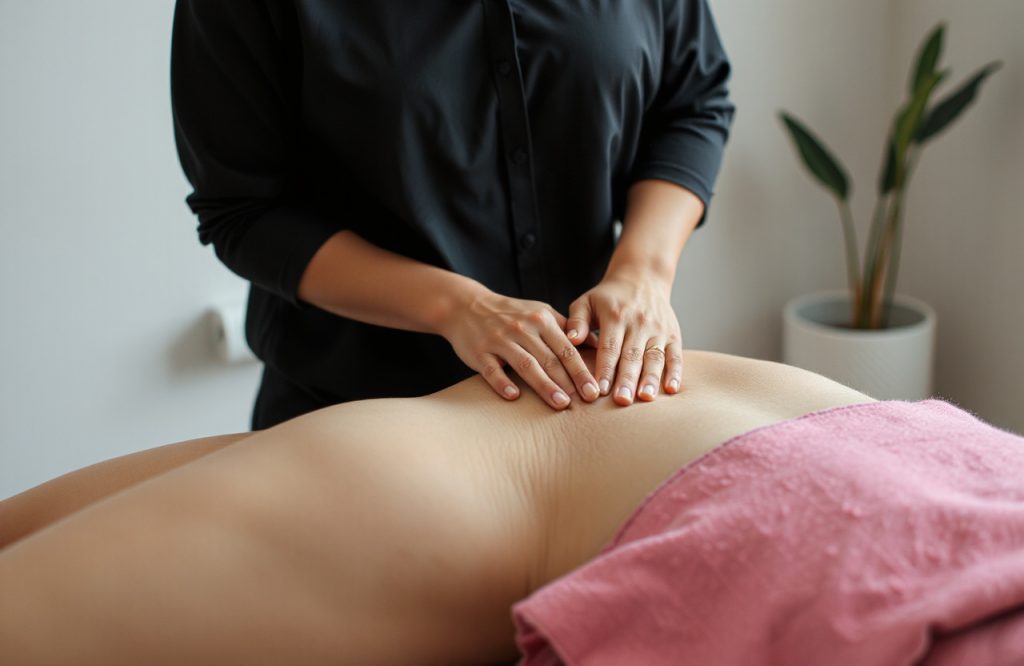
Massage can be a beneficial treatment for constipation, promoting blood circulation and reducing muscle inflammation.
Abdominal Massage
Abdominal massage may help relieve discomfort and enhance bowel movement frequency. This technique can be performed by individuals themselves, making it a cost-effective option. The method involves gentle clockwise kneading, stroking, and vibrations of the abdominal area. Research has shown that daily abdominal massages over six weeks can improve constipation symptoms and overall gastrointestinal function.
Abdominal Massage for Infants
Abdominal massage is also effective for infants aged 7-12 months, particularly as they begin transitioning to solid foods. It is advisable to consult a healthcare professional regarding constipation in babies and children.
Reflexology
Reflexology is a method that applies pressure to specific points on the feet to enhance immunity, improve sleep, and stimulate blood flow. Studies suggest that reflexology can alleviate constipation symptoms, with significant improvements observed in patients within days. This technique is particularly beneficial for pregnant women experiencing constipation and anxiety.
Aromatherapy Massage
Aromatherapy utilizes essential oils derived from plants to promote relaxation and well-being. These oils can stimulate enzymes and hormones during massage, potentially improving symptoms of constipation. A study indicated that participants receiving daily aromatherapy massages for five days reported reduced constipation pain and enhanced relaxation.
Conclusion
Constipation can result from various factors, including lack of exercise, dietary changes, stress, surgery, and medication. Alternative therapies such as abdominal massages, reflexology, perineal massage, and aromatherapy may provide relief. If left untreated, constipation can lead to more serious complications, including fecal impaction and abdominal discomfort. While massage therapy is generally safe, it is essential to consult a healthcare provider before starting any new treatment.