Understanding Oily Skin
Prevalence of Oily Skin
Oily skin is a common dermatological issue that many patients face. Alongside acne, individuals often express frustration over the shiny or greasy appearance caused by excessive oil production. The wide array of oral and topical medications available, both prescription and over-the-counter, reflects the significance of this concern.
What Causes Oily Skin?
The skin’s natural oil, known as sebum, is a mixture of fatty acids and esters produced by glands in the skin. Sebum plays a critical role as a protective barrier against various substances, lubricates the skin, prevents dryness, and contributes to the immune system. However, several factors can lead to increased sebum production, including hormonal changes, race, humidity, and conditions that elevate androgen levels.
Treatment Options for Oily Skin
Oral Medications and Treatment Options
Dermatologists recently reviewed various oral medications for oily skin in the Journal of Clinical Aesthetic Dermatology. This review highlights both well-known and lesser-known treatment options available for managing oily skin.
Topical Treatments
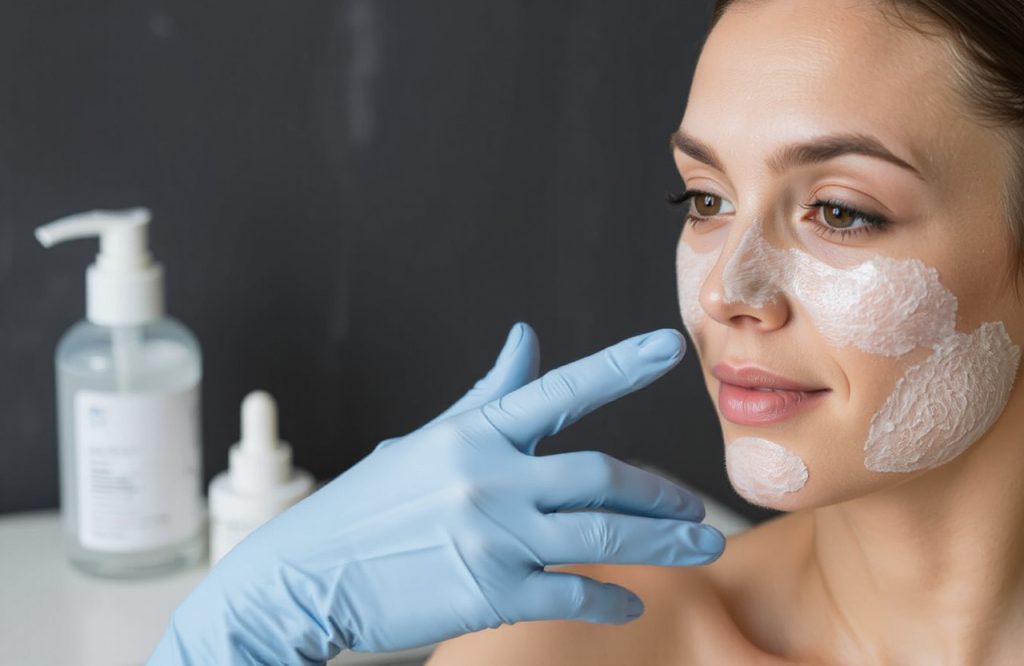
Topical treatments are specifically designed for direct application to oily skin. Most cosmeceuticals fall into this category, with common active ingredients such as niacinamide, green tea, and L-carnitine, which have been shown to effectively reduce sebum production. Prescription topicals include retinoids that decrease sebum synthesis and olumacostat glasateril (OG), which inhibits fatty acid production in sebaceous glands.
Oral Medications
Oral prescription options for oily skin include oral retinoids, diuretics like spironolactone, and oral contraceptives. While these medications can diminish sebum production, there are concerns regarding their systemic effects.
Alternative Treatments
Emerging treatments under investigation include the injection of botulinum toxin into the T-zone to target sebum production, as well as photodynamic therapy and selective laser treatments. However, further research is necessary to assess the effectiveness of these options.
Consultation and Recommendations
Developing a Treatment Plan
Given the various treatment options, the authors recommend consulting with a healthcare provider to create a personalized treatment plan tailored to the patient’s needs.
The Role of Natural Skincare
Many individuals are now turning to natural skincare products, with some evidence suggesting that these alternatives can effectively reduce oily skin and enhance its appearance without relying on prescription medications.
Reference
Endly and Miller. “Oily Skin: A Review of Treatment Options.” Journal of Clinical Aesthetic Dermatology, 2017: 10(8):49-55.