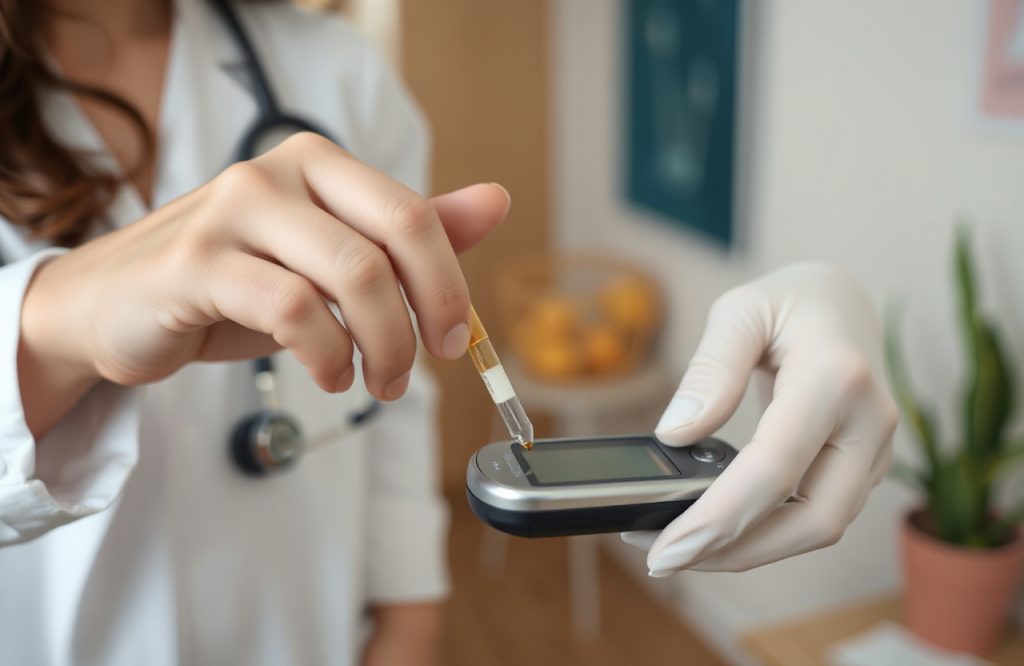
What is Type 2 Diabetes?
Understanding Insulin and Glucose Regulation
Insulin is a hormone produced by the pancreas that plays a crucial role in regulating blood glucose levels. Type 2 diabetes occurs when the body either does not produce enough insulin or cannot effectively use the insulin that is available. Consequently, glucose fails to enter the cells, leading to elevated blood sugar levels.
Diagnosis and Risk Factors
Type 2 diabetes is commonly diagnosed in adulthood and is associated with various risk factors such as family history, age, ethnicity, and obesity. Diagnosis often involves a fasting glucose blood test or an A1c test, which measures the glucose levels in the blood and helps determine whether a person has diabetes.
Current Treatment Options for Type 2 Diabetes
Initial Treatment Strategies
To manage type 2 diabetes effectively, dietary and lifestyle changes are typically the first steps. However, if blood glucose levels remain uncontrolled, medication may be necessary.
Medications for Type 2 Diabetes
Several medications are available to treat type 2 diabetes, and the choice of treatment may depend on the individual’s response to initial therapies.
Metformin
Metformin is often the first-line medication for type 2 diabetes. It is an oral medication that lowers blood glucose levels and has a favorable safety profile. Unlike other diabetes medications, metformin is not associated with hypoglycemia. Traditionally, it is believed to decrease glucose production in the liver, although recent studies suggest that its mechanisms may be more complex. Common side effects include diarrhea, abdominal pain, and low vitamin B12 levels.
Sulfonylureas
Second-generation sulfonylureas, such as glipizide, glyburide, and glimepiride, are known for having fewer side effects than their predecessors. They work by stimulating insulin release from the pancreas and improving insulin sensitivity. Patients using sulfonylureas should be cautious of hypoglycemia, along with potential weight gain and gastrointestinal disturbances.
Thiazolidinediones
Thiazolidinediones, including rosiglitazone and pioglitazone, help reduce blood glucose levels by enhancing glucose uptake. However, they carry a risk of heart failure, particularly rosiglitazone, which limits their use.
Insulin Therapy
In cases where the pancreas does not produce sufficient insulin, insulin therapy may be necessary. Various insulin formulations are available, including long-acting options that mimic natural insulin release. Patients must be educated on proper administration techniques and potential side effects, including the risk of hypoglycemia.
Glucagon-like Peptide 1 Receptor Agonists
GLP-1 receptor agonists, such as liraglutide and semaglutide, lower blood glucose levels by increasing insulin production after meals and decreasing glucagon secretion. These medications can aid in weight loss and have been associated with cardiovascular benefits. Side effects may include nausea and gastrointestinal discomfort.
Sodium-glucose Cotransporter 2 Inhibitors
SGLT2 inhibitors, including canagliflozin and empagliflozin, are newer treatments that prevent glucose reabsorption in the kidneys, leading to glucose excretion in urine. They can promote weight loss and lower blood pressure, with some studies indicating reduced cardiovascular events among patients with diabetes.
Dipeptidyl Peptidase-4 Inhibitors
DPP-4 inhibitors, such as sitagliptin and saxagliptin, help manage diabetes by increasing incretin levels, which subsequently boosts insulin secretion. Although they have a lower risk of hypoglycemia, they do not typically lead to weight loss and have not shown significant cardiovascular or renal benefits.
Conclusion
Managing type 2 diabetes involves a combination of lifestyle modifications and medications tailored to individual needs. Regular monitoring and consultation with healthcare providers are essential for effective diabetes management and to mitigate associated risks.