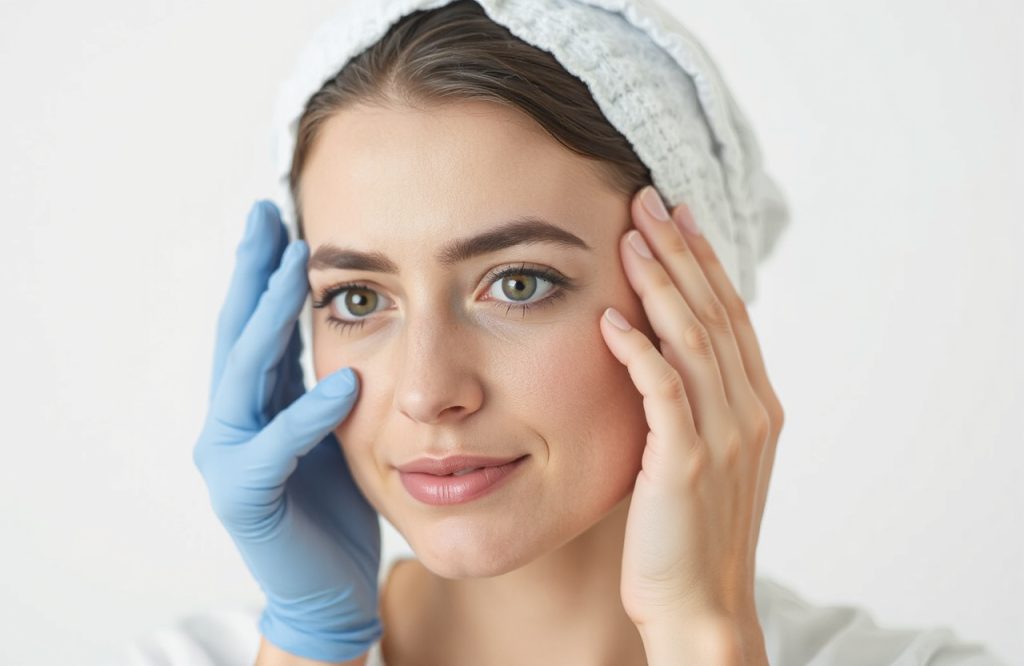
Understanding Rosacea
What is Rosacea?
Rosacea, pronounced roh-zAY-shuh, is a skin condition that leads to inflammation of the facial skin. This condition can be uncomfortable and visually distressing. Fortunately, various treatment options are available to alleviate symptoms. It is essential to select the appropriate treatment based on the specific rosacea symptoms experienced.
Types of Rosacea Symptoms
Rosacea is categorized into four distinct types, each with its unique symptoms:
– **Type One Symptoms**: Characterized by areas of redness with visible blood vessels.
– **Type Two Symptoms**: Involves raised skin (papules) and/or pus-filled spots (pustules).
– **Type Three Symptoms**: Presents as thick and bumpy skin, particularly around the nose.
– **Type Four Symptoms**: Shares characteristics with the other types but also includes swollen eyelids and a gritty sensation in the eyes.
Treatment Options for Rosacea
Type One Rosacea Treatments
Several treatment options are available for type one rosacea:
– **Brimonidine**: This topical gel effectively reduces redness and the appearance of blood vessels. Users should apply it daily before any other skincare or makeup, avoiding contact with lips, eyes, and nostrils. It is crucial to follow the product label for proper usage.
– **Beta-blockers**: These oral medications constrict blood vessels, reducing blood flow to the skin. They are typically reserved for severe cases due to potential side effects like lightheadedness, dizziness, and fatigue. Individuals with asthma should avoid this treatment.
– **Laser Treatments**: Laser therapy can target visible blood vessels by applying heat to damage them, making them less visible. However, this procedure can be uncomfortable, and improper application may result in scarring.
Type Two Rosacea Treatments
For type two rosacea, three topical products may help alleviate symptoms:
– **Azelaic Acid**: This ingredient prevents pore blockage and reduces inflammation, typically applied as 0.5 grams two times daily.
– **Ivermectin**: This treatment reduces swelling and targets mites often associated with rosacea.
– **Metronidazole**: An antibiotic that also decreases inflammation, usually applied to affected areas twice daily. It is essential to use strong sunscreen when outdoors.
These treatments generally show improvement within 3-4 weeks, although possible side effects include skin irritation and dryness.
Type Three Rosacea Treatments
Type three rosacea, which involves skin thickening, may be treated using:
– **Isotretinoin**: An oral medication that decreases the size of oil glands contributing to thick skin. Its use must be monitored by a healthcare professional due to limited research on its effectiveness and potential side effects, including light sensitivity and liver hazards. It is not recommended for pregnant or breastfeeding women.
– **Laser Treatments**: Similar to type one, laser therapy can help reshape thickened skin.
– **Doxycycline**: This oral antibiotic may also be beneficial depending on the specific nature of the rosacea.
Type Four Rosacea Treatments
To address eyelid swelling and the gritty feeling in the eyes, the following treatments may be temporarily effective:
– **Warm Compresses**: Applying a warm cloth to the eyes can provide relief.
– **Antibiotics**: Medications such as ciclosporin or doxycycline might be recommended, although research on type four rosacea is limited.
Conclusion
Rosacea can cause significant discomfort and embarrassment, yet effective management strategies exist. Since each case of rosacea is unique, consulting with a healthcare provider is crucial to determining the most appropriate treatment for individual symptoms.
References
InformedHealth.org [Internet]. Cologne, Germany: Institute for Quality and Efficiency in Health Care (IQWiG); 2006-. What are the treatment options for rosacea? [Updated 2020 Sep 10]. Available from: https://www.ncbi.nlm.nih.gov/books/NBK279475/