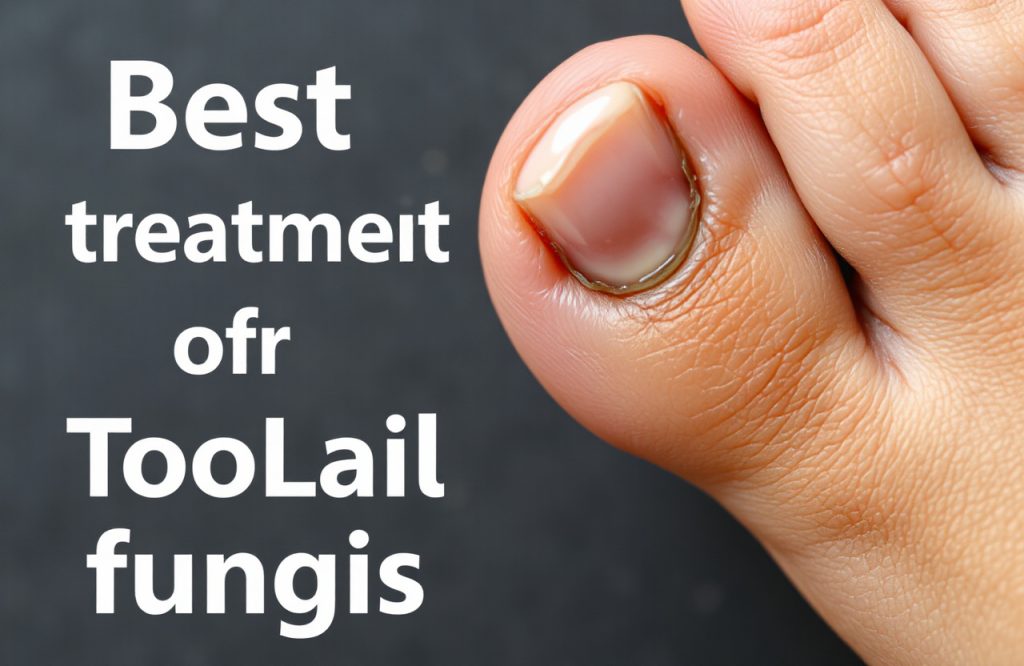
Understanding Fungal Nail Infections
Prevalence and Risk Factors
Fungal nail infections, clinically known as onychomycosis, are a common concern, affecting approximately 10% of the general population. This prevalence increases with age, rising to 50% in individuals over 70 years old. Various factors contribute to the likelihood of developing toenail fungus.
Medical conditions such as diabetes, poor blood circulation to the toes, and diseases or medications that compromise the immune system can elevate risk. Additionally, lifestyle factors including warm and humid living conditions, the use of communal showers, and nail injuries also play a significant role.
Symptoms and Impact
Individuals suffering from fungal nail infections may observe symptoms such as brittle, yellowed toenails that are prone to cracking. This condition can be distressing, impacting both physical appearance and emotional well-being.
Treatments for Fungal Nail Infections
Topical Treatments
When considering treatments for fungal nail infections, many envision over-the-counter creams or topical applications. While these options may enhance the nail’s appearance, they often fail to eradicate the underlying issue. Studies have shown that common treatments like menthol creams and tea tree oil are generally ineffective against nail fungus.
However, there are effective prescription topical creams and serums, such as ciclopirox, efinaconazole, and tavaborole, that can help combat toenail fungus.
Oral Medications
Experts assert that prescription oral medications are the most effective means of completely curing toenail fungus. These medications, including itraconazole and terbinafine, may be prescribed alongside topical treatments in some cases. It is important to be aware that these oral medications can have significant side effects, including potential liver damage, and may interact with other medications. This is particularly relevant for older adults who often take multiple prescriptions.
It is crucial to consult with a healthcare provider to determine the most suitable treatment plan for individual needs.
Preventing Fungal Nail Infections
Preventive measures can help protect toenails from fungal infections without the need for medication. Consider wearing moisture-wicking socks to keep feet dry, avoiding ill-fitting shoes that can damage toenails, and using sandals in communal showers and bathrooms.
Managing Treatment Expectations
Addressing toenail fungus can be a challenging process. A significant number of individuals, up to 53%, may experience treatment failure regardless of the medication used. The condition may take time to resolve and may require various treatment trials to identify the most effective combination.
Patience is key, and ongoing communication with a healthcare provider about suitable treatments is essential.
References
1. Ghannoum M, Isham N. Fungal nail infections (onychomycosis): A never-ending story? PLoS Pathogens. 2014;10(6). doi:10.1371/journal.ppat.1004105
2. Richert B. Physical treatment of onychomycosis. Onychomycosis. 2018:150-159. doi:10.1002/9781119226512.ch17
Photo by Marcus Aurelius from Pexels