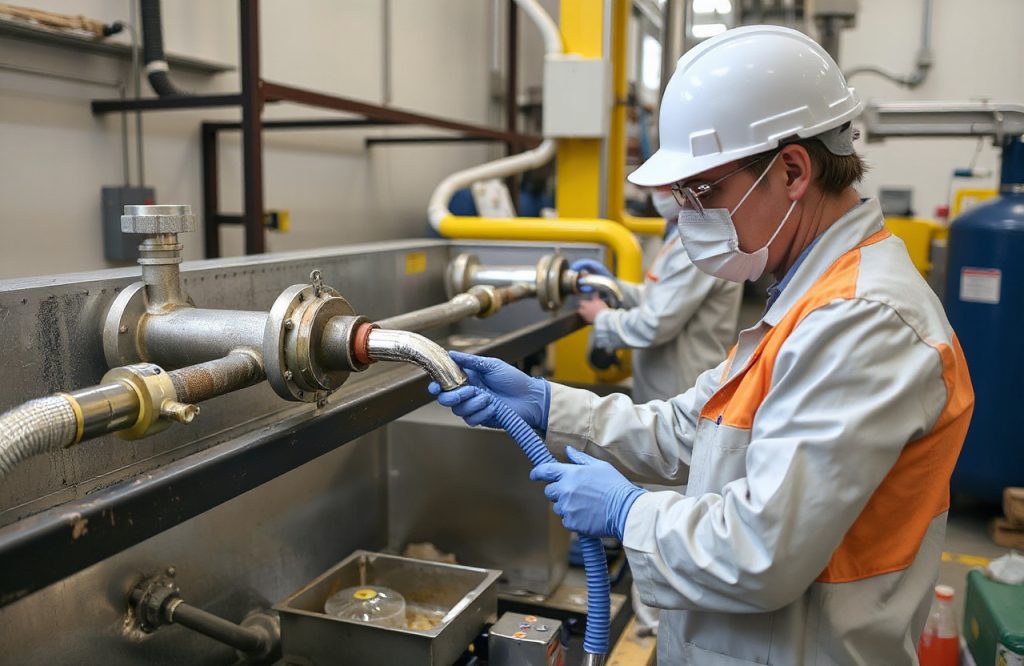
Protecting Communities and the Environment from Pollution
Addressing pollution’s dangers to our communities and the environment is essential. Untreated wastewater from industries, hospitals, and research facilities often contains harmful bacteria, chemicals, and other contaminants, posing significant threats to public health and the delicate balance of ecosystems. Therefore, effluent decontamination is crucial. Advanced treatment processes can remove these hazardous substances, ensuring that water released back into the environment is safe. This process is vital for modern environmental management and plays a key role in safeguarding public health. This article explores the importance of effluent decontamination and the various treatment methods available.
What Is an Effluent Decontamination System?
An effluent decontamination system (EDS) treats liquid waste to eliminate harmful contaminants before it is discharged into the environment. Effluent may contain biological agents, chemical pollutants, heavy metals, or other hazardous materials that can negatively impact human health and ecosystems. Common sources of effluent include:
Industrial Facilities
Factories producing chemicals, textiles, or food products.
Healthcare Institutions
Hospitals and clinics where wastewater may harbor infectious agents.
Research Laboratories
Facilities handling biohazardous materials or experimental chemicals.
Why Effluent Decontamination Matters for Public Health
The untreated release of effluent can significantly affect public health. Below are key reasons for prioritizing decontamination:
Helps Prevent Waterborne Diseases
Wastewater from hospitals and laboratories can contain harmful germs, such as bacteria and viruses. If these pathogens enter the water supply, they can lead to severe illnesses like cholera, diarrhea, and typhoid. Properly treating this waste protects our drinking water and safeguards public health.
Helps Mitigate Chemical Pollution
Industrial effluents frequently contain heavy metals, toxic chemicals, and other pollutants. Exposure to these substances can result in both acute and chronic health issues, including:
- Respiratory problems from volatile organic compounds
- Neurological disorders due to heavy metal contamination (e.g., lead, mercury)
- Skin and eye irritation from contact with industrial solvents
Effluent decontamination reduces these risks by removing harmful chemicals before they can endanger humans or ecosystems.
Helps Protect Ecosystems
While human health is a primary concern, maintaining environmental health is also vital. Polluted wastewater can disrupt the balance of waterways, threatening fish, plants, and other essential organisms. A healthy environment ensures clean air, water, and soil.
Key Methods of Effluent Decontamination
Effluent decontamination utilizes various treatment techniques based on the contaminants’ nature. Common methods include:
Thermal Decontamination
Thermal processes use heat to neutralize biological contaminants. Autoclaving, incineration, and steam sterilization are often employed in laboratories and healthcare settings to treat hazardous liquid waste.
Advantages:
- Highly effective against pathogens
- Simple to implement in smaller facilities
Considerations:
- Energy-intensive and may not be suitable for chemical contaminants
Chemical Treatment
Chemical decontamination involves adding disinfectants or neutralizing agents to effluent. Chlorination is commonly used to disinfect wastewater, while neutralizing agents like lime stabilize acidic or alkaline effluents.
Advantages:
- Effective for both biological and chemical pollutants
- Scalable for large facilities
Considerations:
- Requires careful management to avoid secondary pollution
Biological Treatment
Biological methods utilize microorganisms to break down organic pollutants. Techniques such as activated sludge processes, biofiltration, and constructed wetlands are frequently used in municipal and industrial wastewater treatment plants.
Advantages:
- Sustainable and eco-friendly
- Ideal for organic pollutants
Considerations:
- Less effective for non-biodegradable contaminants
Advanced Filtration Technologies
Technologies such as reverse osmosis, nanofiltration, and membrane bioreactors employ physical barriers to filter contaminants from effluent.
Advantages:
- High precision in removing particles, pathogens, and dissolved substances
- Produces high-quality treated water suitable for reuse
Considerations:
- Expensive and requires regular maintenance
UV and Ozone Treatment
Ultraviolet (UV) light and ozone are increasingly utilized for disinfecting effluents. These methods effectively destroy pathogens without leaving residual chemicals.
Advantages:
- Effective against pathogens and certain chemicals
- Environmentally friendly
Considerations:
- Limited effectiveness against some types of contaminants
The editorial staff of Medical News Bulletin had no role in the preparation of this post. The views and opinions expressed in this post are those of the advertiser and do not reflect those of Medical News Bulletin. Medical News Bulletin does not accept liability for any loss or damages caused by the use of any products or services, nor do we endorse any products, services, or links in our Sponsored Articles.