The Importance of Blood in the Body
Functions of Blood
Blood is an essential fluid vital for numerous functions within the body. It plays a crucial role in transporting oxygen to various tissues, carrying carbon dioxide to the lungs for exhalation, regulating body temperature, and delivering immune cells to injury sites.
The Role of the Heart
The heart is responsible for pumping blood throughout the organs and tissues. This continuous pumping action is reflected in your blood pressure.
Understanding Blood Pressure
Maintaining Healthy Blood Pressure Levels
It is crucial to maintain blood pressure within normal ranges. High blood pressure, or hypertension, can impose excessive strain on the arteries and heart, potentially leading to serious conditions such as heart attacks or strokes. Conversely, low blood pressure, known as hypotension, may prevent adequate blood flow to vital organs, resulting in fainting, stroke, or kidney failure.
Measuring Blood Pressure
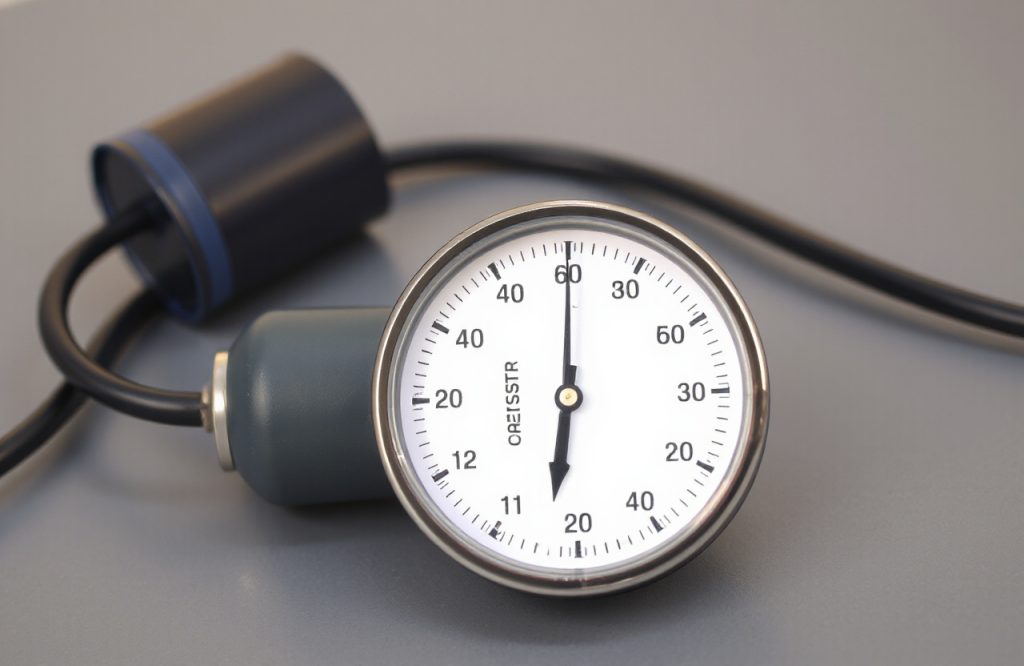
Blood pressure is quantified in millimeters of mercury (mmHg) and consists of two measurements: systolic and diastolic blood pressure. Systolic blood pressure, the top number in a reading, indicates the pressure exerted by blood against artery walls during heartbeats. Diastolic blood pressure, the bottom number, reflects the pressure in the arteries when the heart is at rest.