Exploring Self-Compassion and Fat Talk in Women’s Health
Introduction to the Study
A recent study investigated the interplay between self-compassion, fat talk, and their influence on women’s motivation for health and healthy eating habits. Many individuals often find themselves undermining their weight loss efforts through negative self-talk. Weight management remains a pressing issue for numerous people, with rising concerns about diet leading to increased cases of cardiovascular diseases and type 2 diabetes.
The Importance of Understanding Eating Patterns
Addressing the factors contributing to unhealthy eating behaviors, such as the excessive consumption of fried foods and binge drinking during early adolescence, is crucial. These behaviors can have lasting negative effects on health in adulthood. The research published in the Journal of Health Psychology delves into psychological elements influencing healthy eating, particularly self-compassion and fat talk.
Self-Determination Theory
Understanding Goals and Motivation
Self-Determination Theory posits that unhealthy eating behaviors stem from issues related to personal goals and motivation. This theory differentiates between external and internal goals. External goals often revolve around physical appearance and are shaped by societal standards and external validation. In contrast, intrinsic goals focus on health and personal satisfaction, promoting self-confidence and self-actualization.
Self-Compassion Versus Fat Talk
The Concept of Self-Compassion
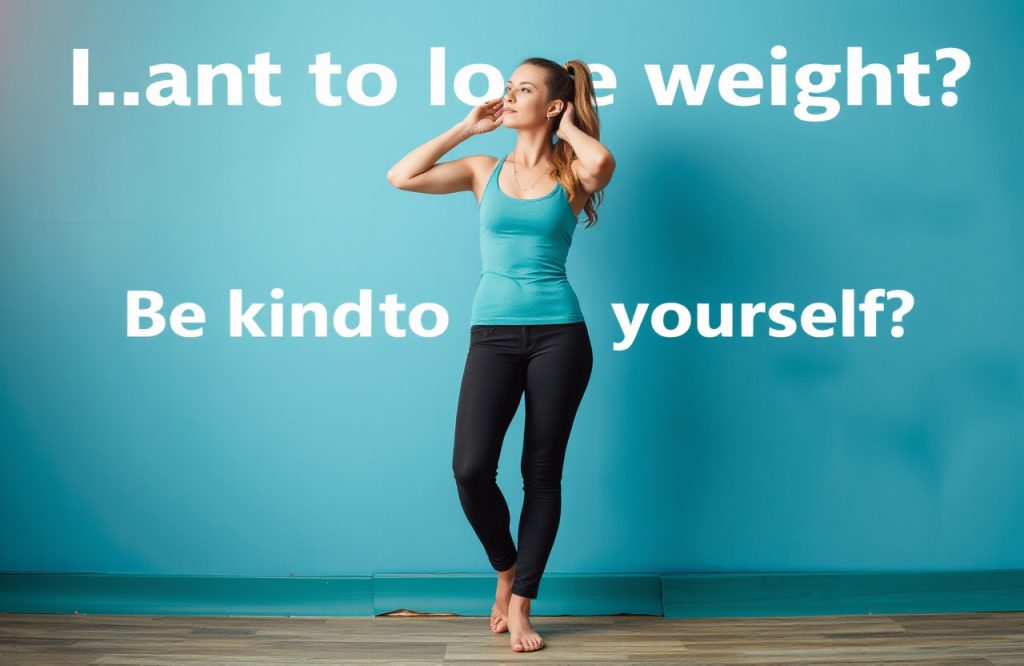
Self-compassion has garnered significant interest as it emphasizes coping with kindness towards oneself rather than dwelling on pain and distress.
The Impact of Fat Talk
Conversely, fat talk refers to self-deprecating comments women make regarding their bodies, which can be detrimental to mental health. While self-compassion positively influences self-perception and behavior, fat talk can lead to harmful outcomes.
Study Findings
Participant Overview
In the study, researchers engaged 485 female undergraduates aged 16 to 48 from a Canadian university. The primary objective was to explore what drives healthy eating among women and whether those who are more health-conscious and intrinsically motivated exhibit better eating regulation.
The Role of Self-Compassion
The findings revealed that women motivated by self-compassion tend to prioritize self-care over self-criticism, leading to improved health outcomes. Those with higher self-compassion reported enhanced self-worth, which correlates with healthier eating habits. Such individuals are more likely to engage in proactive health behaviors, including regular physical activity and balanced diets.
Internal versus External Motivation
Self-compassion fosters a motivation for healthy living that is internally driven, as opposed to being influenced by external pressures like peer expectations or guilt.
Limitations and Future Research
Study Limitations
While the study provided valuable insights, it faced limitations, including the possibility that participants may have answered in socially desirable ways during self-reports. Additionally, the sample size and gender focus could restrict the generalizability of the findings.
Directions for Future Research
Future studies should aim for a more diverse participant pool and explore different theories and interventions. Research could investigate how external pressures, such as those from partners, impact eating habits and contribute to dysfunctional strategies and fat talk.
Conclusion
The results of this study underscore the importance of self-determined motivation in fostering healthy eating habits and reducing adverse eating behaviors that can harm health.
Written by Sonia Leslie Fernandez, Medical News Writer
Reference: Guertin, C., Barbeau, K., & Pelletier, L. (2018). Examining fat talk and self-compassion as distinct motivational processes in women’s eating regulation: A self-determination theory perspective. Journal of Health Psychology, 1359105318781943.