Trends in Robotic Surgery Use for Common Surgical Procedures
Overview of Robotic Surgery
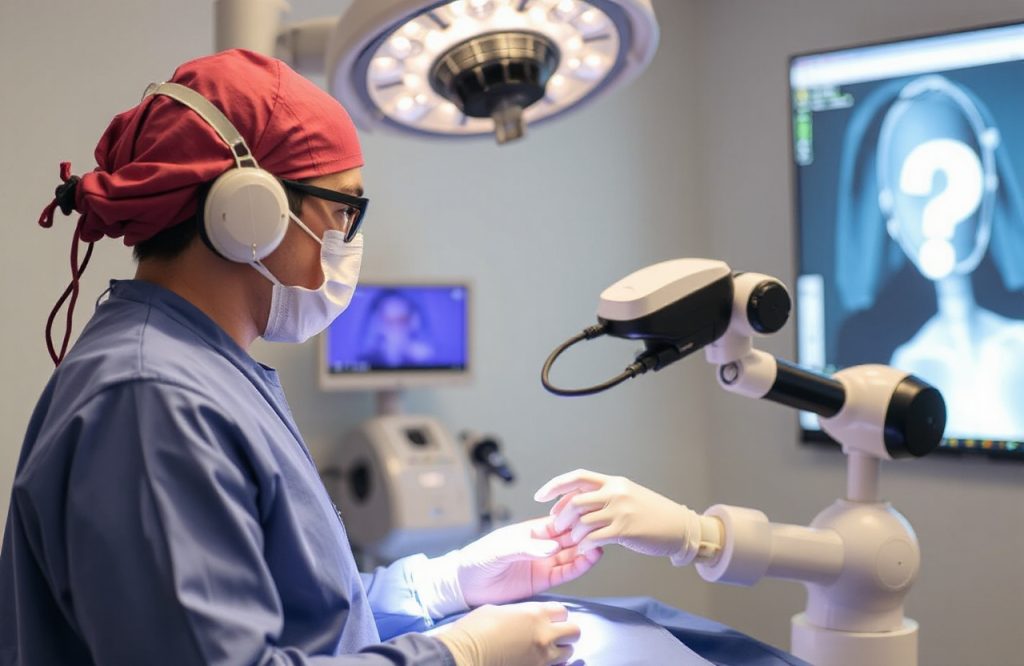
US researchers have examined the trends in the utilization of robotic surgery for various common surgical procedures. In this innovative approach, surgeons operate robotic surgical equipment from a computer console, rather than conducting the procedure directly on the patient. Robotic surgical systems feature advanced camera technology that provides surgeons with three-dimensional visuals of the surgical site, along with highly precise surgical instruments. This technique is primarily employed for minimally invasive surgeries, which are performed through small incisions, resulting in less bodily trauma compared to traditional open surgeries and facilitating quicker patient recovery.
Background and Development
Robotic surgical equipment received approval for use in the United States in 2000 and has since been employed in a variety of surgical procedures. Despite its growing prevalence, the high cost of the equipment raises questions about its advantages over other minimally invasive techniques, such as laparoscopic surgery, where the surgeon manually operates tools through small incisions. Since its introduction, data on robotic surgery usage patterns has been limited.
Research Findings from the University of Michigan
Researchers at the University of Michigan conducted a study to investigate the trends in robotic surgery usage, with their findings recently published in the Journal of the American Medical Association. The study analyzed data collected from 73 hospitals in Michigan between 2012 and 2018, encompassing nearly 170,000 surgical patients. The researchers evaluated different surgical approaches—robotic, laparoscopic, and open surgery—across both inpatient and outpatient general surgery procedures. For accuracy, data was sourced directly from surgeons’ operative reports rather than relying on computerized medical coding systems.
Increase in Robotic Surgery Utilization
The study revealed a significant increase in robotic surgery usage, rising from 1.8% of general surgical procedures in 2012 to 15.1% in 2018, marking an 8.4-fold increase. Notably, certain procedures, such as inguinal hernia repair, saw even greater increases, climbing from 0.7% to 28.8%, equating to a 41.1-fold increase. The adoption of robotic surgery surged in the initial years following the implementation of robotic programs in hospitals, with the percentage of hospitals and surgeons utilizing robotic techniques growing from 8.7% in 2012 to 35.1% in 2018. Concurrently, the use of both open and laparoscopic surgeries declined, with open surgery decreasing from 44.8% to 40.6% and laparoscopic surgery from 53.2% to 51.3%.
Need for Monitoring Robotic Surgery Practices
The observed trends indicate a rising adoption of robotic surgery across a variety of general surgical procedures, coinciding with a decrease in traditional laparoscopic techniques. However, there remains limited evidence from clinical trials supporting the notion that robotic surgery offers distinct advantages over other minimally invasive approaches. This rapid adoption, juxtaposed with the unclear clinical benefits, underscores the necessity for ongoing evaluation of robotic surgery practices.
The authors emphasized, “These findings highlight a need to continually monitor the diffusion of robotic surgery to ensure that enthusiasm for a new technology does not outpace the evidence needed to use it in the most effective clinical contexts.”
Conclusion
In summary, while the increase in robotic surgery usage is notable, further research and monitoring are essential to validate its effectiveness and ensure it is implemented appropriately in clinical settings.
Reference
Sheetz KH, Claflin J, Dimick JB. Trends in the adoption of robotic surgery for common surgical procedures. JAMA Netw Open 2020;3(1):31918911.
Image Credit
Image by Sasin Tipchai from Pixabay.