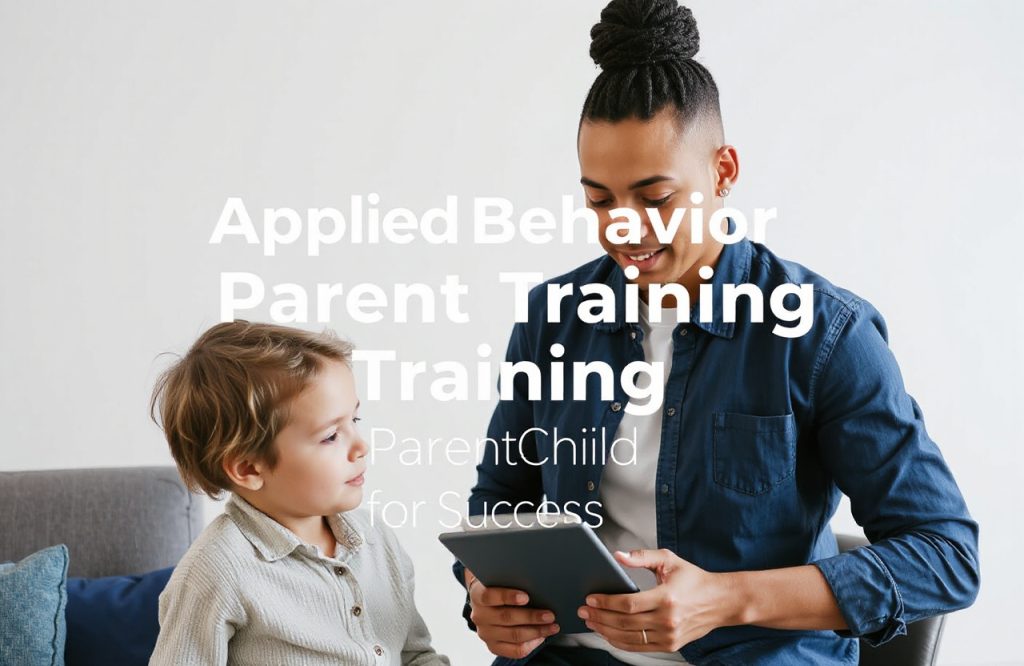
Understanding ABA Parent Training
The Role of ABA Therapy
Applied Behavior Analysis (ABA) therapy is widely recognized as one of the most effective treatments for children with developmental disabilities. While therapists play a vital role in imparting new skills to children, it is the parents who often drive the success of these interventions. ABA parent training provides caregivers with the necessary skills, techniques, and confidence to create consistent learning environments at home and within the community.
Significance of ABA Parent Training
This article explores the importance of ABA parent training, its benefits, fundamental components, and how it contributes to children’s success in daily life.
A Closer Look at ABA Parent Training
ABA parent training is a structured program designed to equip parents with the same techniques utilized by therapists during therapy sessions. Instead of pausing a child’s development for the duration of therapy hours, parents can continue to reinforce positive behavior, communication, and independence throughout the day.
The main objective is straightforward: to actively involve parents as equal partners in their child’s development. By following specific guidelines, parents can effectively manage challenging behaviors, promote skill development, and foster an environment conducive to continuous learning.
Importance of Parent Training
Bridging the Gap
Children receiving ABA treatment typically have limited interaction with therapists, often only a few hours each week, while they spend countless hours with family members. Parent training helps bridge this gap, ensuring that the progress made during therapy is sustained in everyday life.
Key Benefits of Parent Training
1. **Consistency Across Settings**: Children benefit from learning when strategies are consistently applied at home, school, and in the community.
2. **Enhanced Parent-Child Relationships**: Training fosters positive interactions, reducing tension and strengthening bonds.
3. **Faster Skill Acquisition**: Children learn skills more rapidly with reinforcement from family members at home.
4. **Increased Parent Confidence**: Parents gain practical strategies for addressing daily challenges effectively.
5. **Greater Long-Term Independence**: Active parental involvement in education significantly enhances a child’s chances of future success.
Core Components of ABA Parent Training
While parent training sessions may vary based on individual needs, they generally encompass the following essential areas:
1. Behavior Management Techniques
Parents learn to address and redirect challenging behaviors using positive and constructive methods, including reinforcement and the teaching of replacement behaviors.
2. Communication Skills
Training focuses on aiding language-delayed children through prompting, modeling, and reinforcing various forms of communication, whether verbal, gestural, or via communication devices.
3. Daily Living Skills
Parents are guided to promote independence in daily routines such as eating, dressing, and personal hygiene, fostering confidence in children.
4. Play and Social Interaction
Parents are educated on how to utilize play as a learning tool, helping children develop essential social skills like sharing and turn-taking.
5. Problem-Solving Strategies
Training equips caregivers with the tools to implement ABA strategies for adapting to various challenges, enhancing their problem-solving capabilities.
Benefits for Parents and Children
Advantages for Parents
Parent training offers significant benefits for caregivers, including:
– Reduced anxiety stemming from the ability to manage difficult behaviors calmly.
– Improved parent-child relationships characterized by less stress and more efficient routines.
– Increased confidence in addressing their child’s developmental needs.
– Enhanced advocacy skills when interacting with schools, healthcare providers, and other professionals.
Advantages for Children
When parents are trained in ABA methods, children experience transformative benefits, including:
– Increased opportunities for learning in natural environments.
– Greater generalization of skills learned during therapy across various settings.
– Enhanced independence through consistent practice of daily living skills.
– Improved family dynamics resulting from more positive interactions.
– Establishment of a solid foundation for long-term learning and success.
Modes of Providing Parent Training
Training is adaptable and can be delivered in various formats according to family preferences:
– **One-On-One Coaching**: Direct interaction between therapists and parents during or after therapy sessions.
– **Workshops and Group Training**: Parents learn collaboratively in group settings, sharing experiences and forming support networks.
– **Telehealth Sessions**: Online training options for families preferring remote learning.
– **In-the-Moment Support**: Immediate assistance from therapists during everyday activities like meals or play.
This flexibility ensures that all families receive support tailored to their schedules and needs.
Addressing Common Concerns
Many parents may feel apprehensive about committing to training, fearing they lack the skills to implement strategies effectively. It is important to note that parent training does not require perfection; it encourages progress at one’s own pace. Strategies are typically introduced gradually, allowing families to adapt without added stress.
The Long-Term Impact of Parent Training
ABA parent training is a long-lasting program that yields benefits throughout a child’s life. By equipping parents with knowledge and skills, children continue to thrive even as therapy hours decrease. This collaborative approach not only strengthens families but also fosters greater self-reliance in children, paving the way for a brighter future.
Conclusion
ABA parent training empowers caregivers to take an active role in their child’s growth and development. With the right tools, families can transform everyday experiences into valuable learning opportunities, enhance relationships, and lay a strong foundation for lasting success.
If you are seeking ABA therapy services in Maryland, our personalized programs can assist children in developing essential skills for a fulfilling life.