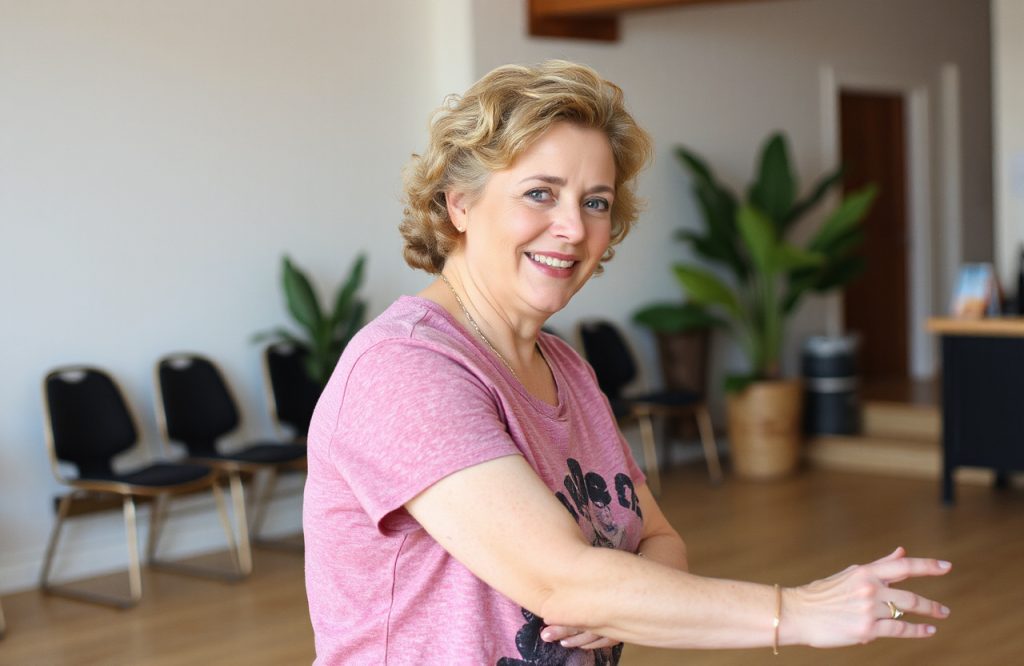
Study Highlights Benefits of Dancing for Older Women
The Impact of Physical Activity
A recent study highlights the positive effects of dancing on daily living activities among older women. While previous research has established that physical activity can enhance health and well-being, the specific types of exercise that effectively reduce the risk of disability in daily tasks remain unclear.
Research Overview
Published in the Scandinavian Journal of Medicine and Science in Sports, the study investigates how different exercises, including dancing, tai chi, gardening, and aerobics, influence the risk of disability in daily living activities among older women. The research underscores the health benefits associated with these activities for the elderly population.
Study Methodology
The study involved 1,003 community-dwelling older Japanese women over an eight-year period. Participants underwent face-to-face interviews at the outset, detailing their regular exercise routines. Researchers defined disability in activities of daily living as either partial or complete dependence on assistance for at least one daily task during the follow-up period, which included walking, bathing, eating, and dressing.
Findings on Disability and Dancing
Throughout the eight years, 130 participants exhibited disabilities in daily living activities. After adjusting for various predictors, the researchers determined that dancing was most strongly associated with a reduced risk of developing disability. The study indicates that dancing is an effective exercise for preserving brain structure and balance in older adults.
Limitations of the Study
The researchers noted several limitations in their findings. First, individuals in poorer health participated less frequently in dancing than those in better health. Additionally, the number of disability events impacted the results concerning certain exercise types, complicating the establishment of a definitive association between specific exercises and the risk of disability. Furthermore, the study lacked data on the frequency of each exercise or physical activity performed by participants.
Implications for Future Research
This study serves as a foundational reference for future investigations into the benefits of dancing among older populations. The researchers recommend larger studies that consider the frequency of exercise participation. Overall, findings suggest that engaging in dancing can significantly lower the risk of disability in daily tasks for older women.
References
Glickman, J. (2018). Dancing may help older women maintain the ability to perform daily tasks. Scandinavian Journal of Medicine and Science in Sports. Retrieved from https://www.eurekalert.org/pub_releases/2018-12/w-dmh121718.php
Osuka Y., Kojima N., Kim M., Won C.W., Suzuki T., Kim H. (2018). Exercise type and activities of daily living disability in older women: An 8‐year population‐based cohort study. Scandinavian Journal of Medicine and Science in Sports. https://doi.org/10.1111/sms.13336