Understanding Post-COVID Symptoms
The Impact of COVID-19
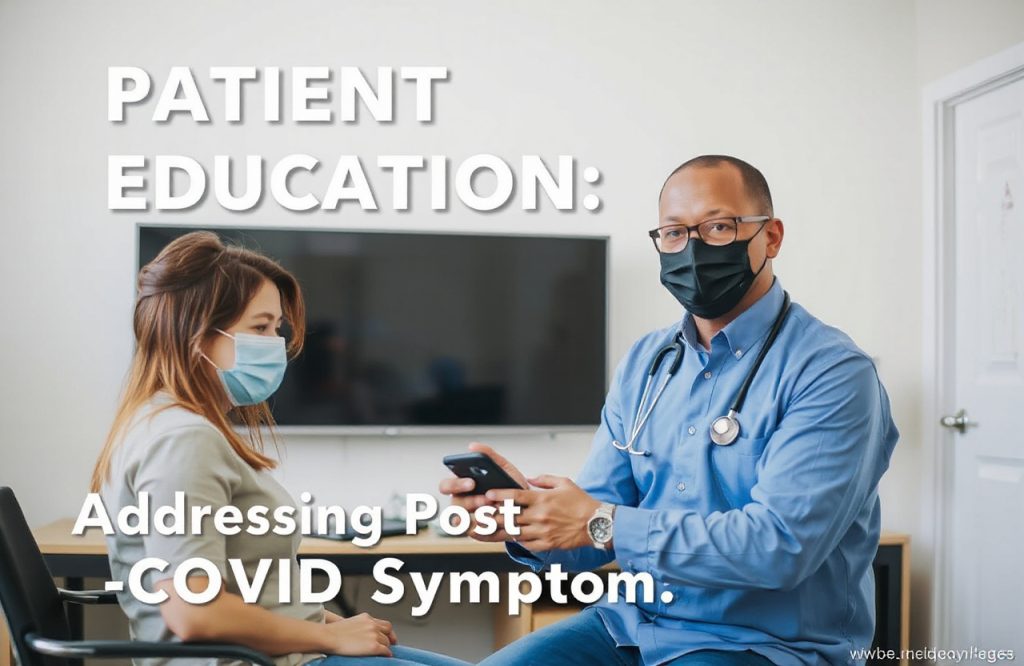
COVID-19 has resulted in numerous deaths, and many survivors continue to experience post-COVID symptoms. It is vital to be informed about these symptoms to seek appropriate treatment. Individuals who have contracted the virus may face ongoing health issues even after their initial recovery. These symptoms do not always manifest immediately; they can appear days or weeks later. Those who have been infected with COVID-19 should prioritize their health, as post-COVID symptoms can severely affect their well-being. Patient education is essential, making it important to read this article thoroughly.
Tiredness and Fatigue
Despite the ongoing presence of COVID-19, maintaining a healthy lifestyle is crucial to avoiding the virus. Patients who have previously battled the virus may find their immune systems weakened. Post-COVID symptoms often include persistent tiredness and fatigue. If you find yourself feeling unusually exhausted throughout the day, it is advisable to consult a healthcare professional for the necessary treatment. Many overlook fatigue, but following a COVID recovery, it is essential to remain vigilant about your health.
Difficulty in Breathing
Respiratory symptoms warrant attention, as many individuals experience breathing difficulties during their recovery from COVID-19. Shortness of breath can potentially lead to asthma, making timely treatment essential. Additionally, a continuous cough can disrupt daily activities and may accompany a fever. It is important to discuss your COVID history with your doctor, enabling them to recommend appropriate medications.
Chest Pain and Palpitations
Experiencing a rapid heartbeat can be concerning, as it may increase the risk of a heart attack. COVID survivors often report chest pain and palpitations after minimal physical exertion. This respiratory symptom can be distressing; however, timely treatment can lead to recovery. Techniques such as deep breathing, meditation, and yoga may alleviate palpitations, but following your doctor’s prescribed treatment remains crucial.
Vertigo
Some patients may experience vertigo, characterized by a feeling of unsteadiness. This post-COVID symptom can significantly impact daily life. Common signs of vertigo include abnormal eye movement, unsteadiness, nausea, vomiting, fear of falling, and motion sickness. If you encounter these symptoms, physical therapy is an effective treatment option. Searching for “physical therapy for vertigo near me” can help you find local physiotherapists. Early intervention is essential, as delays in treatment can lead to further health complications.
Digestive Problems
Post-COVID recovery may also involve digestive issues, such as diarrhea and stomach pain. A healthy, organic diet can bolster the immune system and support recovery. It is advisable to avoid energy drinks, alcohol, and other substances that may irritate the stomach. If you experience severe stomach pain or uncontrollable diarrhea, seeking medical advice is imperative.
Changes in the Menstrual Cycle
Women may experience alterations in their menstrual cycles and increased pain during menstruation as a result of COVID-19. This is a common post-COVID symptom, necessitating consultation with a gynecologist. It is not uncommon for menstruation to occur later than expected, and sensations such as pins and needles can lead to discomfort. Avoid using painkillers without medical consultation.
Dizziness, Depression, and Anxiety
Individuals who were previously cheerful may find themselves feeling depressed during recovery. While temporary depression may not be concerning, persistent anxiety and dizziness alongside depression require medical attention. Dizziness should never be dismissed, as it can be an early indicator of various health conditions. Pregnant women should be particularly cautious regarding this symptom.
Conclusion
Medical professionals are actively working to address post-COVID symptoms, as many patients abandon careful health routines after recovery. Experts emphasize the importance of a nutritious diet to strengthen the immune system, and multivitamins can also be beneficial. If you are experiencing any of the aforementioned symptoms, it is vital to remain calm and seek timely treatment to facilitate recovery.