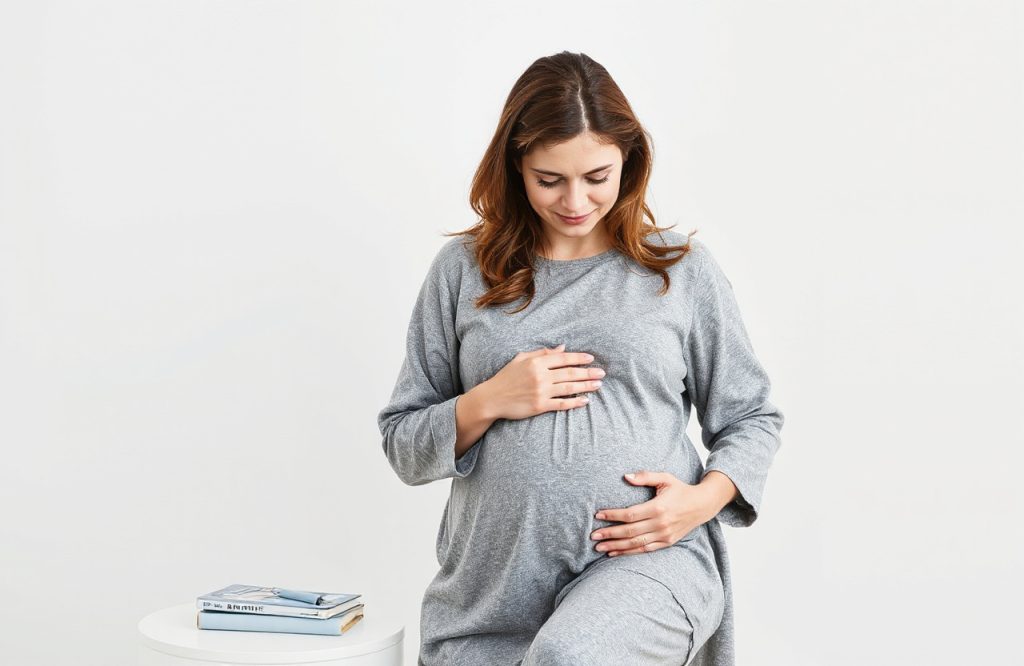
Study Examines Endometriosis and Infertility
Impact of Age on Fertility
A recent study investigated the connection between endometriosis and infertility to identify effective fertility treatments. Today, women are increasingly delaying childbirth, yet age remains a significant factor influencing conception. Fertility rates begin to decline after age 30, with a sharper decrease observed after age 40.
Fertility Treatment Options
For women experiencing difficulty conceiving, both assisted reproductive technology (ART) and non-assisted reproductive technology (non-ART) present viable treatment options. Non-ART treatments involve timing intercourse with ovarian stimulation to release eggs, while ART encompasses techniques such as in-vitro fertilization (IVF), where an egg is fertilized outside the body and later implanted in the uterus. Although ART generally offers higher success rates, non-ART methods are often more affordable, less invasive, and carry fewer risks.
Endometriosis and Treatment Success
While age is a well-known factor affecting the success of both ART and non-ART treatments, the role of endometriosis—characterized by the growth of uterine tissue outside the uterus—has not been thoroughly examined in relation to non-ART success rates. A recent study published in the Journal of Obstetrics and Gynecology explored factors influencing the success of both treatment types to enhance understanding of endometriosis’s impact on infertility.
Research Findings
The study involved a review of medical data from 1,864 women who underwent ART or non-ART treatments over 15 years, measuring success by cumulative live birth rates. The findings revealed that women utilizing ART experienced higher birth rates, with a significant number of both ART and non-ART patients becoming pregnant within six months of treatment initiation.
The research indicated that the success of non-ART treatments diminished with age and among women with previous fertility treatments, as well as those diagnosed with uterine fibroids or endometriosis. For women undergoing ART, prolonged infertility and the inability of ovaries to produce fertilizable eggs were linked to lower success rates. Notably, advanced endometriosis correlated with fewer live births among non-ART patients, but did not affect outcomes for those receiving ART.
Conclusions and Implications
The study corroborated earlier assumptions that the likelihood of successful fertility treatments decreases with age, while also shedding light on the relationship between endometriosis and infertility. It highlighted that while non-ART success is influenced by endometriosis, ART outcomes remain unaffected. Although the researchers did not account for the number of previous fertility treatments, which may impact success rates, the study provides valuable insights for women facing infertility in assessing their potential for childbirth.
Reference
Isono, W., Wada-Hiraike, O., Akino, N., Terao, H., Harada, M., Hirata, T., Yasushi Hirota, Kaori Koga, Fujii, T., and Osuga, Y. (2018). The efficacy of non-assisted reproductive technology treatment might be limited in infertile patients with advanced endometriosis in their 30s. Japan Society of Obstetrics and Gynecology. https://doi.org/10.1111/jog.13826
Written by
Monica Naatey-Ahumah, BSc