The Importance of Joint Health in Physical Fitness
Understanding Joint Health
In today’s world, where purity is often compromised and numerous health issues emerge, joint health has become a crucial aspect of physical fitness. Despite its significance, many individuals tend to overlook joint health in favor of muscle growth and cardiovascular endurance. However, the stability and mobility of our joints play a vital role in our everyday lives, allowing us to move freely without stiffness or pain.
Impact of Joint Stability on Mobility
Stable joints facilitate easier walking and movement. When stress is applied to the joints, stable joints remain properly aligned, preventing discomfort and enabling unrestricted movement. Enhanced mobility ensures that individuals can reach their destinations without hindrance.
The Role of Resistance Exercises
To address joint health concerns, resistance exercises are essential. These exercises strengthen the tissues supporting the joints, including ligaments and connective tissues. Structured resistance training significantly improves joint health, reduces the risk of injury, and enhances overall movement, particularly for athletes and individuals with active lifestyles.
The Relationship Between Muscle Strength and Joint Stability
Muscle Protection for Joint Function
The human body is designed to protect joints with surrounding muscles that act as a wall. When lifting heavy objects or applying pressure, the stress initially affects the muscles, which absorb and distribute it. However, weak muscles can make joints more susceptible to injury, leading to pain as ligaments and cartilage endure excess pressure.
Benefits of Resistance Training
Resistance-based workouts strengthen both major and minor muscles around each joint, promoting proper development. Key muscles involved include the hamstrings, quadriceps, and gluteal muscles. Additionally, specific exercises can enhance the strength of the rotator cuff muscles, providing extra support to the shoulders.
Functional Training Tools for Joint Support
Using Rope Pull Machines
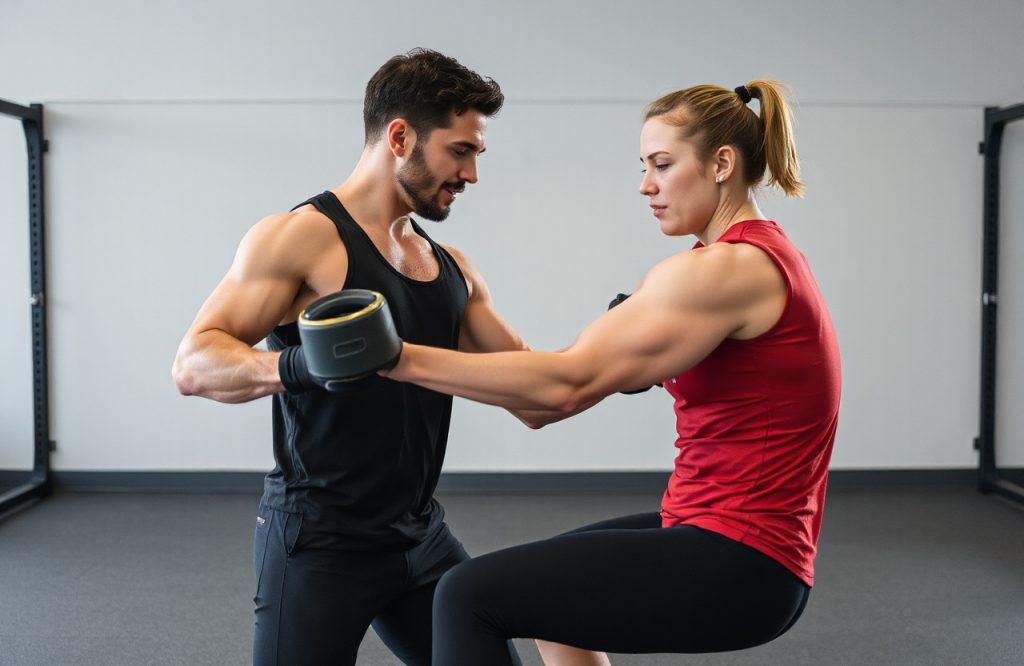
The rope pull machine is an effective tool for strengthening joints. This exercise engages the shoulder, elbow, and wrist muscles through controlled pulling motions. Repeated stress from this exercise not only increases muscle strength but also fortifies the ligaments and tendons that support the joints, leading to greater stability and mobility.
Mobility Through Controlled Resistance
Defining Mobility
Mobility encompasses more than just flexibility; it involves the ability to move through a full range of motion with strength and control. Static stretching alone improves flexibility but fails to enhance strength and control. Resistance workouts engage muscles throughout movements, training them to remain active and supportive, which reduces the risk of injury.
The Role of Connective Tissues
Muscles enable movement, while ligaments connect bones and maintain joint stability. Weak ligaments and tendons can lead to injuries, such as sprains. Resistance training strengthens these connective tissues, making them thicker and more resilient. Regular squats, for instance, can enhance knee ligament strength, reducing the likelihood of knee injuries.
Neuromuscular Adaptations and Balance
Enhancing Coordination
Beyond muscular strength, resistance training improves neuromuscular coordination, which is essential for effective communication between the brain and body. Stability relies not only on strength but also on the nervous system’s ability to activate stabilizing muscles in response to unexpected forces.
Specific Joint Benefits from Resistance Training
Targeting Major Joints
Resistance training offers distinct benefits for major joints:
– **Knees**: Exercises like squats, lunges, and leg presses strengthen both quadriceps and hamstrings, helping to balance the knee joint and protect it from degenerative wear.
– **Shoulders**: Pressing and pulling movements enhance the stability of the rotator cuff and deltoid muscles, crucial for shoulder mobility.
– **Hips**: Deadlifts and hip bridges engage gluteal and hip flexor muscles, promoting stability that extends to the lower back and pelvis.
– **Spine**: Core-focused resistance training strengthens spinal support muscles, improving posture and reducing the risk of back injuries.
Progressive Overload for Joint Adaptation
Gradual Strengthening
Gradually increasing weights or repetitions, known as progressive overload, allows bones, muscles, and joints to strengthen over time. Sudden excessive weight or intense workouts can lead to injuries, emphasizing the importance of gradual progression.
Injury Prevention and Longevity
Maintaining Joint Health
Injuries like sprained ankles, tendinitis, and arthritis often stem from weak or inflexible joints. Resistance training enhances joint stability and flexibility, ensuring that they can handle pressure without breaking down. This balanced distribution of force during heavy lifting protects against injuries and strengthens bones and tissues.
The Psychological Advantages of Stability Training
Building Confidence
Many individuals lack trust in their body’s capabilities, fearing pain or injuries during physical activities. Resistance training gradually enhances joint strength and flexibility, instilling confidence in one’s physical abilities. This newfound confidence extends beyond exercise, positively impacting daily activities.
Integrating Resistance Workouts into Daily Life
Establishing a Consistent Routine
Busy lifestyles often hinder daily exercise; however, regular activity is crucial for joint strength and flexibility. A consistent routine, even with minimal daily workouts, can significantly benefit joint health. Beginners might start with bodyweight exercises and progress to resistance bands, dumbbells, or free weights over time.
The Importance of Multi-Joint Exercises
Exercises that engage multiple joints, such as squats or push-ups, yield significant benefits. Starting with easier exercises is advisable to avoid injury and ensure gradual progress.
Conclusion
Resistance training not only enhances muscle appearance but primarily aims to maintain joint health and facilitate smooth body movement. It strengthens muscles, tendons, and ligaments, improving coordination and reducing injury risk. Regular resistance workouts contribute to greater ease in daily tasks, ensuring that joints remain healthy, flexible, and active over time.