Increased Gastrointestinal Cancer Risk in Cystic Fibrosis Patients
Overview of the Study
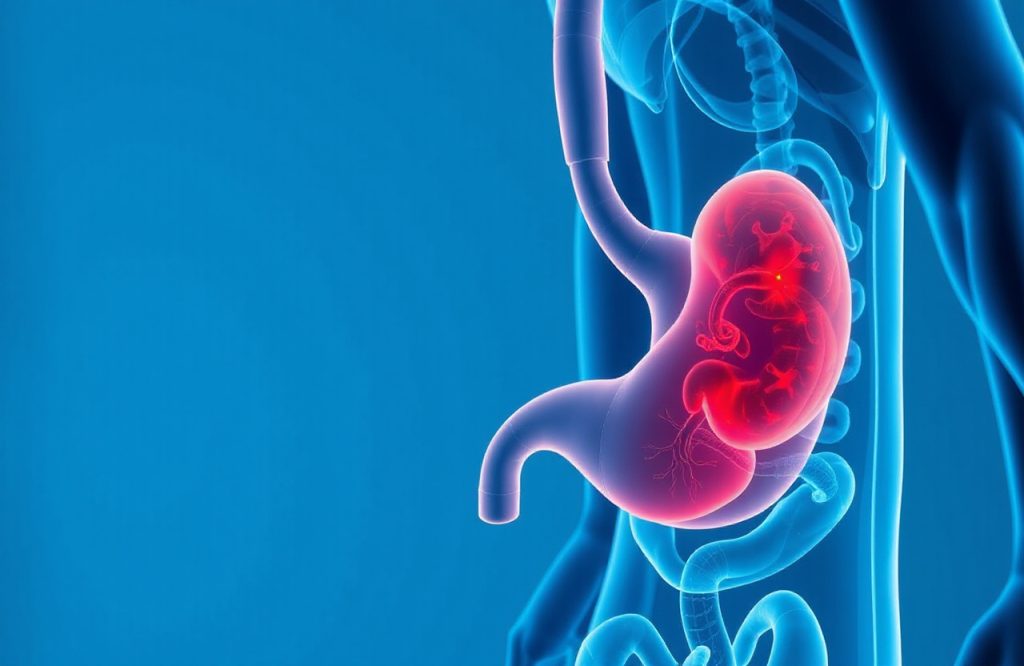
A recent literature review published in The Lancet Oncology examined the likelihood of gastrointestinal cancer risk in patients with cystic fibrosis. Researchers found that individuals with cystic fibrosis face a significantly higher risk of developing cancers affecting the small intestine, bowel, biliary duct, and pancreas compared to the general population. The introduction of immunosuppressants further elevates this risk, particularly among post-transplant patients, who are two to five times more likely to develop gastrointestinal cancers and face an alarming 20-fold increased risk for small intestine cancers.
Need for Enhanced Screening
The research team concluded that patients with cystic fibrosis should undergo additional cancer screening focused on the gastrointestinal system, regardless of their transplant status.
Cystic Fibrosis: A Genetic Condition
Understanding Cystic Fibrosis
Cystic fibrosis is a genetic disorder caused by mutations in the cystic fibrosis transmembrane conductance regulator (CFTR) gene. This gene encodes a protein responsible for regulating the transport of chloride ions across epithelial cell membranes. When this protein is defective, it disrupts the ion equilibrium, leading to improper water and sodium transport. As a result, the mucus lining the respiratory tract becomes excessively thick, causing significant airway obstruction, breathing difficulties, and chronic respiratory issues.
Management Strategies
Management of cystic fibrosis typically includes medications that help break down mucus and facilitate clearance from the respiratory tract. In severe cases, lung transplantation may be recommended.
Study Methodology
Meta-Analysis of Existing Research
In the study published in The Lancet Oncology, researchers aimed to assess the probability of gastrointestinal cancer in cystic fibrosis patients through a meta-analysis of previous studies. They utilized text search algorithms to gather data from scientific databases, resulting in over 95,000 records. After applying strict exclusion criteria, the analysis focused on six studies, which included data from a total of 99,000 patients. Notably, the study did not filter results based on factors such as age, gender, or race.
Findings on Cancer Risk
Higher Cancer Incidence Among Cystic Fibrosis Patients
The findings revealed that cystic fibrosis patients have a statistically significant higher risk of developing gastrointestinal cancers when compared to the general population. The most frequently associated cancers were those of the bowel, colon, biliary tract, and pancreas.
Patients who underwent lung transplantation exhibited a notably elevated risk of gastrointestinal cancers, with a minimum of two to five times higher risk compared to those who did not have the procedure. Alarmingly, the risk of small intestine cancer was found to be 20 times higher in cystic fibrosis patients, and the risk of colon cancer was also 10 times greater.
Limitations of the Study
Considerations for Interpretation
The authors acknowledged several limitations in their study. First, the timing of cancer incidence in relation to cystic fibrosis diagnosis can vary significantly, complicating the establishment of a direct correlation. Additionally, the study only included data from patients who had not initiated treatments for cystic fibrosis. Variations in methodology among the original studies included in the meta-analysis could also affect the correlation between cystic fibrosis and cancer outcomes.
Recommendations for Screening
Importance of Regular Monitoring
The authors recommend that cystic fibrosis patients undergo regular gastrointestinal and colorectal screenings, utilizing endoscopic methods to facilitate early detection of cancers in this vulnerable population.
Reference
Yamada, A., Komaki, Y., Komaki, F., Micic, D., Zullow, S., & Sakuraba, A. (2018). Risk of gastrointestinal cancers in patients with cystic fibrosis: a systematic review and meta-analysis. Lancet Oncol, 19(6), 758-767. doi:10.1016/S1470-2045(18)30188-8