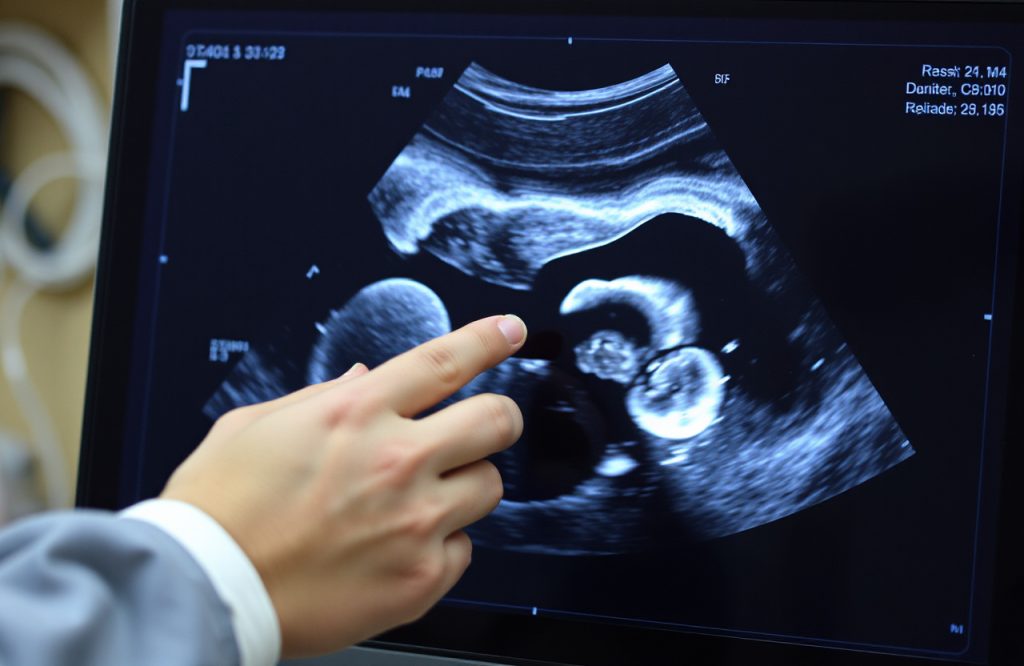
Overview of Low-Intensity Pulsed Ultrasound (LIPUS) in Bone Healing
History and Application
For over two decades, low-intensity pulsed ultrasound (LIPUS) has been utilized as a therapeutic option for fractured bones, frequently prescribed by trauma surgeons. This non-invasive treatment claims to expedite bone healing by emitting penetrating ultrasound waves into the body. It is particularly employed in cases where bones have not shown signs of healing after extended periods of rest.
Cost and Market Impact
LIPUS bone stimulators are notably expensive, with prices ranging from $1,250 to $5,000. In 2006, these devices generated $250 million in sales within the United States. Although systematic reviews have supported their use, many of these analyses exhibit flaws, including small sample sizes, potential bias, and a lack of focus on critical patient outcomes.
Recent Research on LIPUS Efficacy
Study Overview
A new study published in the British Medical Journal by Schandelmaier et al. aimed to evaluate the effectiveness of LIPUS in fracture treatment. The research involved a panel composed of five trauma or orthopedic surgeons, one physiotherapist, six methodologists, and four fracture patients, one of whom had previously used LIPUS. This panel provided guidance on relevant populations, subgroups, and key outcomes of interest.
Methodology
The study analyzed randomized controlled trials that compared LIPUS to a sham device. The patient representatives highlighted the importance of outcomes such as functional recovery time, pain reduction, and the frequency of subsequent re-operations related to the fracture. The studies were carefully assessed for bias, and satisfactory results were pooled for analysis.
Findings
Upon reviewing data from previous studies, the researchers concluded that LIPUS did not affect functional recovery time or the number of follow-up operations. These findings were classified as having moderate quality. The reviewers noted that many studies claiming benefits associated with LIPUS in these areas, including pain reduction, exhibited high risks of bias. By focusing on studies with low bias risk, high-quality results indicated no significant impact on pain reduction or the time taken to achieve full weight-bearing status. Additionally, moderate quality results showed no improvement in the duration required for radiographic healing.
Limitations and Future Directions
The study faced limitations due to prior research’s failure to cover all important patient outcomes. Furthermore, there was insufficient subgroup analysis, which restricted the ability to examine LIPUS’s effects on children and under-represented populations, such as those with non-unions and stress fractures. Consequently, while the results can be generalized to the broader population and individuals with common fractures, further investigation is necessary to assess the efficacy of LIPUS in pediatric patients and those with less common bone conditions.
Conclusion
In summary, while LIPUS has been a standard treatment for bone fractures over the past two decades, recent research raises questions about its effectiveness. The findings suggest a need for cautious interpretation of LIPUS’s benefits, emphasizing the importance of further studies to clarify its role in various patient populations and conditions.
Written By: Wesley Tin, BMSc