Challenges in Hospital Security
The Complex Environment of Hospitals
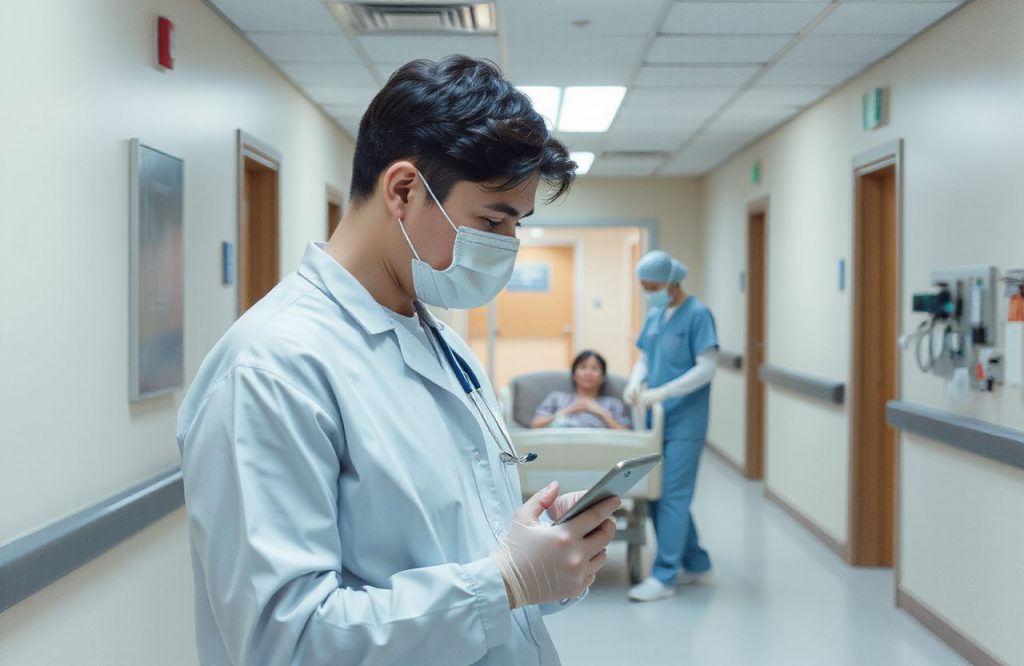
Hospitals are among the most challenging environments in modern society. They operate continuously to care for individuals facing life-threatening health issues and accommodate thousands of visitors daily, including patients, their families, and healthcare staff. Unlike other workplaces, hospitals must remain accessible while also safeguarding vulnerable patients, expensive medical equipment, restricted medications, and sensitive medical records.
Increasing Security Challenges
Healthcare facilities are experiencing a significant rise in security issues. Reports of workplace violence have surged across the globe, and data breaches involving patient records are becoming more common. Hospitals are expected to maintain effective operations while responding to crises, such as pandemics and natural disasters. Consequently, hospital security measures have evolved from basic security guards and cameras to comprehensive systems that integrate intelligent surveillance, controlled access, cybersecurity, emergency response coordination, and staff training.
Core Components of a Hospital Security System
The Need for Enhanced Security
Compared to other public institutions, hospitals face unique safety risks that demand stronger security systems.
Workplace Violence in Healthcare
Hospitals report the highest number of workplace violence incidents among all industries. Emergency departments are particularly vulnerable, as they encounter patients and visitors in distress, leading to increased chances of unsafe behavior. Types of violence in hospitals include verbal threats, physical assaults, and property damage. Without proper security measures, these incidents can escalate, endangering both patients and staff.
Protection of Vulnerable Patients
Hospitals care for many at-risk patients, including children, the elderly, and individuals with mental or physical impairments. Proactive measures are essential to ensure their safety.
Enhancements in Safety for Patients and Staff
Implementing best security practices can protect patients while preserving their dignity and enhancing their overall care experience.
Asset Protection and Theft Prevention
Hospitals rely on costly medical equipment and pharmaceuticals, making them targets for theft. Security systems are critical for monitoring restricted areas, ensuring that valuable assets are safeguarded and accounted for.
Safeguarding Sensitive Patient Data
Patient records contain sensitive information that must be protected against cyber threats. Hospitals face risks from cybercriminals due to their operational dependencies, making them susceptible to ransom threats and data breaches. Compliance with privacy laws is essential for maintaining patient trust.
Key Elements of a Modern Hospital Security System
Technology and Procedures Integration
Modern hospital security relies on a combination of technology and established procedures. Electronic systems can detect unauthorized access, aggressive behavior, loitering in restricted areas, and abandoned items. Real-time alerts enable prompt responses to potential risks.
Access Control for Sensitive Areas
Hospitals contain numerous restricted areas, such as operating rooms and pharmacies. Advanced access control systems ensure that only authorized personnel can enter these locations through badge systems, biometric identification, and multi-factor authentication.
Visitor Management Systems
With high daily visitor traffic, managing access is critical. Visitor management systems track visitor movements, verify appointments, and issue temporary badges, thus enhancing security within the facility.
Data and Cybersecurity Measures
Hospital security extends to digital protection. Measures include data encryption, secure authentication systems, network monitoring, and regular security updates. Staff training is crucial to help personnel recognize cybersecurity threats.
Integrating Security with Emergency Preparedness
Security systems must align with emergency management procedures to ensure coordinated responses to incidents such as fires or natural disasters. Effective communication among security staff, medical personnel, facility management, and emergency responders is vital.
Balancing Security with Patient Privacy
Hospitals must uphold patient privacy while ensuring safety. Surveillance practices should comply with legal and ethical standards, including limiting camera placements in sensitive areas and maintaining transparency to build trust.
Benefits of Modern Hospital Security Systems
Creating Safe Environments
Effective security solutions deter violence and crime, contributing to a safer atmosphere for both staff and patients.
Rapid Response Capabilities
Real-time alerts empower hospital staff to respond swiftly to incidents, preventing escalation into more serious threats.
Regulatory Compliance
Properly implemented security systems assist hospitals in meeting regulatory requirements and maintaining patient privacy.
Boosting Patient Confidence
A strong commitment to safety and security fosters trust among patients and staff.
Emerging Trends in Hospital Security
AI-Driven Predictive Monitoring
Artificial intelligence facilitates the analysis of historical data to identify potential risks, enabling preventative measures.
No-Touch Access Control
No-touch authentication systems enhance security and hygiene, which is particularly important in healthcare settings.
Conclusion
The evolution of healthcare security encompasses more than maintaining a physical security presence. Modern hospital security requires an integrated approach that balances physical safety and data protection. By investing in advanced security infrastructure, hospitals can effectively safeguard patients, healthcare workers, and sensitive information while providing a conducive environment for recovery and quality care. As healthcare continues to evolve, those who prioritize security will be better equipped to handle emerging challenges and maintain trust and safety in their facilities.