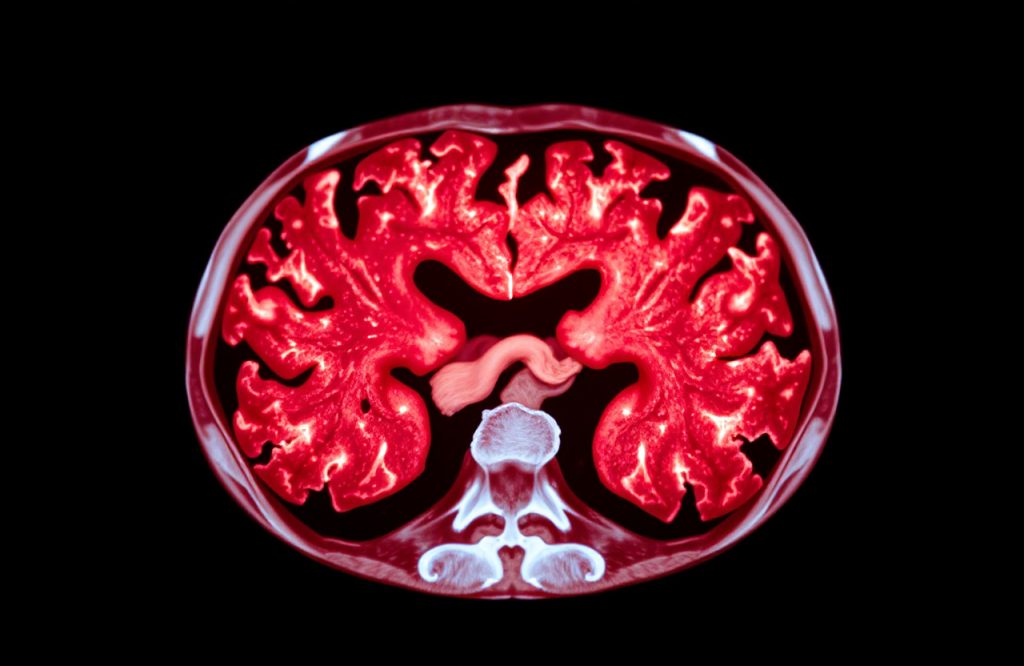
Artificial Intelligence in Healthcare Education
Transforming Medical Learning and Patient Care
Artificial intelligence (AI) is becoming an essential asset in healthcare, particularly within medical education. Its integration not only enhances learning experiences but also transforms patient care. By leveraging AI technologies, educators and healthcare practitioners can develop more personalized and efficient healthcare solutions. Understanding AI’s role in reshaping medical education is vital for improving future patient care. For instance, Texas Woman’s University’s family nurse practitioner master’s program integrates AI-based simulations, allowing students to practice clinical skills in a risk-free environment.
Integration of AI in Medical Education
AI tools are increasingly being woven into medical curricula, providing enhanced learning experiences. These tools create opportunities for personalized learning and offer real-time feedback, making medical education more interactive and engaging. The incorporation of AI is not solely about improving knowledge retention; it prepares future healthcare professionals for real-world challenges. AI can assess a student’s performance and deliver tailored feedback, identifying areas for improvement. This personalized instruction equips students with essential skills before they enter the workforce.
Moreover, AI’s capability to process vast amounts of data rapidly enables students to access the latest medical information and research findings instantly. This access cultivates an environment of continuous and adaptive learning, keeping students informed about advancements in medical science.
AI’s Impact on Research and Patient Care
Artificial intelligence significantly enhances medical research by facilitating more efficient and accurate outcomes. Through predictive analytics and data-driven insights, AI aids researchers in identifying patterns that traditional methods might overlook. This ability accelerates the discovery process, fostering faster development of innovative treatments.
In patient care, AI applications, such as personalized treatment plans, are becoming increasingly common. These systems use machine learning algorithms to analyze patient data and recommend tailored therapies that optimize health outcomes. By predicting potential complications in advance, AI helps practitioners intervene early, potentially lowering hospital readmissions and enhancing patients’ quality of life.
Furthermore, AI-powered diagnostic tools improve accuracy and efficiency in clinical settings. These tools assist physicians by providing second opinions or confirming diagnoses based on extensive datasets from previous cases, thereby reducing human error and enhancing patient safety.
AI in Nursing Education
Nursing programs are also undergoing a transformation with the incorporation of artificial intelligence. Family nurse practitioner master’s programs, in particular, are adopting AI technologies to enrich their curricula. Through AI-powered virtual simulations, nursing students gain hands-on experience without leaving the classroom.
This technology equips students with essential critical thinking skills required for clinical decision-making while exposing them to diverse patient scenarios they may encounter in their careers. The ability to simulate real-life situations allows students to apply theoretical knowledge practically, preparing them comprehensively for clinical practice.
Additionally, AI enhances communication skills among nursing students by offering interactive modules that simulate patient interactions. These exercises help learners refine their bedside manners and improve their empathetic skills—an essential aspect of effective nursing practice.
Challenges and Considerations
Despite the numerous benefits of integrating artificial intelligence into medical and nursing education, challenges persist. Ethical concerns regarding data privacy are paramount as educational institutions adopt these technologies. Safeguarding student and patient information is essential.
Furthermore, educators must receive adequate training to utilize these new tools effectively. Institutions should invest in professional development programs that equip teachers with the skills necessary to integrate AI seamlessly into their teaching methodologies.
Lastly, educators should maintain a balance between technology use and human interaction within educational settings. While AI presents remarkable advantages, preserving the human element is crucial for developing well-rounded healthcare professionals capable of connecting empathetically with patients.
Future Prospects of AI in Healthcare Education
The future of artificial intelligence in healthcare education holds exciting possibilities. As technological advancements continue to progress rapidly, further innovations are expected to reshape how medical knowledge is imparted and applied.
One promising development involves adaptive learning platforms driven by AI algorithms, capable of personalizing educational journeys according to individual student needs. This shift from uniform approaches towards tailored educational experiences is designed specifically for each learner’s strengths and weaknesses.
Embracing artificial intelligence in medical education represents an opportunity to advance academic achievement and significantly improve patient outcomes. The ultimate goal is to prepare better healthcare professionals who are ready to tackle the challenges of tomorrow.