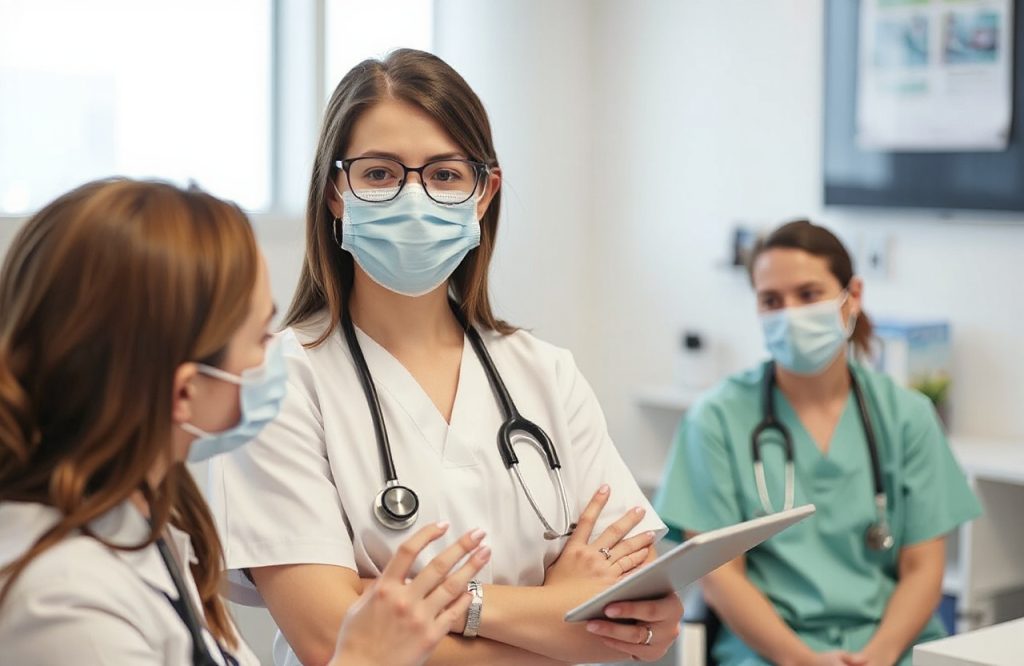
Nursing: The Importance of Comprehensive Training
The Challenges of Nursing
Nursing is a demanding profession characterized by high pressure, quick decision-making, and minimal margin for error. Every action holds significant weight, and when mistakes occur, the repercussions extend beyond paperwork—they can lead to pain, risk, or even loss. This reality underscores the necessity for training that is more than just a formality; it is essential in forming the individual who stands between a patient and potential mistakes. This blog explores how effective nurse training contributes to improved patient outcomes and fosters smarter, safer healthcare practices.
Beyond Theory: The Need for Practical Skills
While textbooks and lectures provide essential knowledge about procedures, signs, and symptoms, they fall short in critical situations, such as when a patient experiences a flatline or a child has a seizure. In these moments, it is instinct, honed through repetitive practice, that takes over. This repetition is not found in textbooks, but rather in simulated emergencies and intense clinical experiences. Training that emphasizes realistic practice enables nurses to maintain composure under pressure, ultimately saving lives. The most effective nurses are not only knowledgeable; their grounding in practical skills is a product of rigorous training.
The Role of Simulation in Nurse Training
Transforming Education with Simulation Labs
Many nursing programs are now incorporating simulation labs that go beyond simple mannequins. These high-fidelity systems react in real time to interventions, allowing students to make mistakes in a controlled environment without harming real patients. In one simulation, a team might be tasked with managing a critically injured trauma patient, while in another, they might respond to a newborn in respiratory distress. These scenarios are designed to challenge students and build their judgment and skills in a realistic, albeit controlled, setting. The key advantage of simulation training lies in its ability to prepare nurses for high-pressure situations.
Selecting the Right Training Path
Prospective nursing students often face a choice between different educational programs, such as the Associate Degree in Nursing (ADN) and the Accelerated Bachelor of Science in Nursing (ABSN). ADN programs typically span two years and offer hands-on experiences early on, often through community colleges. In contrast, ABSN programs cater to individuals who already hold a bachelor’s degree in another field and wish to transition quickly into nursing. Neither option is inherently superior; what matters most is the level of support, clinical exposure, and practical experience offered. The most beneficial training programs are those that prioritize comprehensive education and real-world practice from the outset.
Communication and Hands-On Experience
The Importance of Effective Communication
Miscommunication is a leading cause of medical errors, often occurring during shift changes, handoffs, or charting. To combat this, nursing education places a strong emphasis on clear and direct communication. Students practice scripts, utilize standardized handoff formats, and embed the SBAR (Situation, Background, Assessment, Recommendation) framework into their daily routines. New nurses are trained not only to communicate effectively but also to listen actively, as tone and timing can convey as much information as words themselves. In high-stress situations, this communication training is crucial for ensuring coordinated care.
Value of Hands-On Clinical Experience
Practical experience is irreplaceable in nursing education. Clinical rotations provide students with the opportunity to engage with real patients and develop a tactile understanding of care. The difference between seeing a wound on paper and experiencing it firsthand is profound. Clinical training is designed to progressively build skills—from basic tasks in the first semester to complex scenarios in later semesters. Each rotation helps students refine their speed and judgment, allowing them to recognize patterns and practice real care.
Integrating Technology and Cultural Competency
Enhancing Care with Technology
Nursing education has evolved to include training on modern technology, such as smart beds, digital monitoring systems, and medication scanners. By familiarizing students with these tools, nursing programs improve their readiness for real-world applications. For example, students learn about barcode scanning to prevent medication errors and digital charting from the outset. When technology becomes second nature, nurses are less likely to make mistakes and more likely to work efficiently.
Addressing Cultural Competency
Patients come from diverse backgrounds, each with unique needs and perspectives. Thus, contemporary nursing education emphasizes cultural competence, focusing on understanding bias, trauma, and communication barriers. Training includes role-playing and sharing real-life stories to illustrate common pitfalls. By fostering cultural awareness, nursing programs aim to reduce misunderstandings that can lead to inadequate care.
The Significance of Soft Skills and Mentorship
Developing Essential Soft Skills
While technical knowledge is vital, soft skills are equally important in nursing. Patients often remember how they were treated, and feelings of fear and anxiety do not dissipate simply because a procedure is performed correctly. Therefore, training in empathy, patience, and bedside manner is essential. Continuous feedback and role-playing help nurture these skills, as emotional resilience becomes increasingly important in preventing burnout and compassion fatigue.
The Benefits of Shadowing Experienced Nurses
Observing a seasoned nurse can significantly enhance a student’s confidence and understanding of effective practice. Experienced nurses demonstrate efficiency, clarity, and decisiveness, qualities that cannot be fully learned from textbooks. Many programs now incorporate extended shadowing opportunities, allowing students to closely observe preceptors in action. This exposure helps students internalize calm and competent responses, which are crucial in high-stakes situations.
Conclusion: The Continuous Journey of Nurse Training
Safer patient care is not the result of any single tool or perfect chart; it stems from a foundation of well-developed skills acquired through extensive practice and learning from mistakes. Hospitals that prioritize nurse training typically experience fewer errors, improved staff retention, and higher morale. Well-trained nurses are prepared and confident, transforming average care into exceptional service.
Ultimately, effective training occurs before the chaos of real emergencies. In calm moments, nurses learn, practice, and refine their skills. Then, when urgent situations arise, they respond not by instinct alone but through the training that has thoroughly prepared them. The journey toward smarter, safer care is a deliberate process—one that continues to evolve with each nurse, skill, and experience.