Bridging the Gap Between Documentation and Human Connection
The Challenges of Modern Healthcare
In today’s healthcare environment, providers are tasked with delivering timely, accurate, and empathetic care. However, the rise in administrative responsibilities, particularly in documentation during and after patient visits, has led to increased physician burnout and reduced face-to-face interaction with patients. One emerging solution in the healthcare sector is the integration of remote medical scribes. These professionals assist in documenting patient interactions in real time, enabling providers to focus more on clinical care.
The Role of Remote Medical Scribes
To understand whether remote medical scribes can enhance patient visits, it is essential to explore their functions, benefits, and overall impact on the healthcare system.
How Remote Scribes Fit into the Healthcare Puzzle
Real-Time Documentation Without Distraction
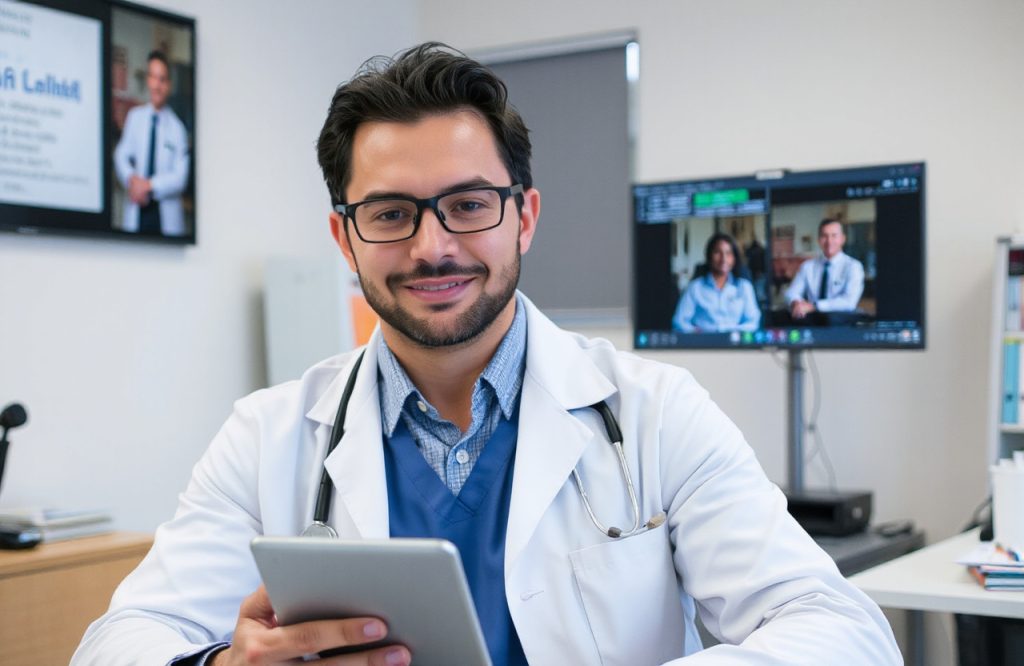
Remote scribes are trained medical personnel who operate from a distance, aiding healthcare providers in documenting patient interactions as they occur. Unlike onsite scribes, remote scribes do not have direct contact with either the provider or the patient. Instead, they utilize secure audio or video connections to capture necessary details in real time, including patient history, physical exam findings, diagnoses, and follow-up instructions.
Empowering Providers to Reconnect With Patients
By alleviating the burden of note-taking, remote scribes allow healthcare providers to maintain eye contact and engage fully with their patients. This shift enhances the quality of patient interactions, fostering a stronger connection.
Enhancing Patient Engagement Through Focused Attention
Active engagement is crucial for patients to feel acknowledged during consultations. When providers are distracted by documentation, patients may feel overlooked. Remote scribes address this issue by handling note-taking, allowing physicians to dedicate their attention to the patients.
Turning Patient Trust Into Long-Term Loyalty
Patients who feel listened to and engaged are less likely to feel undervalued. This heightened level of interaction can lead to increased trust, satisfaction, adherence to treatment, and referrals. The presence of a remote scribe provides physicians with the flexibility to document seamlessly, promoting patient retention and new patient referrals.
Accurate Documentation That Drives Better Outcomes
Reducing Errors and Supporting Compliance
Remote scribes are trained to maintain organized documentation, which is vital for patient care, follow-ups, and billing processes. Their expertise in medical terminology ensures that documentation remains accurate and compliant.
A Clearer Record for Safer Decisions
By focusing exclusively on documentation, remote scribes can pose questions and ensure that records reflect the visit’s details accurately. This distraction-free approach minimizes errors associated with multitasking, ultimately improving outcomes for both patients and healthcare providers.
Decreasing Physician Burnout
In recent years, physician burnout has escalated, largely due to the demands of extensive documentation. Remote scribes significantly reduce the time spent on electronic medical records (EMR), contributing to a better work-life balance for healthcare providers.
Happier Doctors, Healthier Patients
Many physicians utilizing remote scribes report increased job satisfaction, enhanced energy for patient interactions, and reduced stress. This improved well-being positively impacts the patient experience, creating a beneficial cycle within the healthcare system.
Supporting Efficient Workflows
Beyond the Exam Room: Admin Help That Matters
Remote scribes play a vital role in streamlining practice workflows. They assist with pre-visit charting, post-visit summaries, medication refills, and follow-up reminders, allowing front and back office staff to focus on patient interactions and clinic operations.
Enhancing Continuity of Care
Timely and comprehensive documentation is essential for maintaining continuity of care. Remote scribes help ensure that all necessary details are captured during patient visits, facilitating smoother transitions between care providers and enhancing patient outcomes.
Customizable Support for Diverse Practices
Specialty-Specific, Provider-Tailored Assistance
Remote scribes are adaptable and can be trained to align with a provider’s preferences and specialty-specific terminology. This customization enhances the documentation process, making it feel like a seamless extension of the provider’s workflow.
Enhanced Patient Privacy and Comfort
Some patients may feel uncomfortable with additional personnel present during consultations. Remote scribes provide discreet support, ensuring patient privacy while maintaining high documentation standards.
Positive Feedback From Patients and Providers Alike
Surveys and testimonials indicate that both patients and healthcare providers appreciate the role of remote scribes. Patients notice improved doctor attentiveness, while providers experience streamlined documentation workflows, enhancing clinic efficiency.
Cost-Effective and Scalable
Budget-Friendly Without Compromising Quality
For smaller or more remote practices, hiring additional in-house staff can be costly. Remote scribes present a more economical alternative, maintaining quality support without the overhead costs associated with traditional staffing.
A Smart Investment for Growing Practices
Remote scribe services are cost-efficient, eliminating expenses related to office space, equipment, and employee benefits. Their flexible scalability allows practices to adjust services based on demand, making them a reliable long-term solution.
Adapting to New Trends in Healthcare
Innovation That Enhances Patient-Centered Care
The healthcare industry must evolve with emerging trends in patient care and documentation. Remote scribes represent a progressive approach to tackling industry challenges.
The Strategic Advantage of Remote Scribes
Remote scribes are transforming care delivery by improving efficiency, reducing physician burnout, and enhancing the patient experience. More healthcare practices are adopting this model not merely as a means to manage paperwork, but as a strategic advantage that fosters superior clinical and operational outcomes.
Final Thoughts
Remote Scribes: The Future of Efficient, Empathetic Care
The question of whether remote scribes can enhance patient visits is answered affirmatively. Their contributions extend beyond documentation; they actively participate in improving accuracy, clinic morale, and operational efficiency. Remote scribes bridge the gap between administrative demands and quality patient care, representing a transformative shift in healthcare practices. For many healthcare leaders, adopting remote scribes is not just about improving documentation but also about enriching the overall patient care experience.