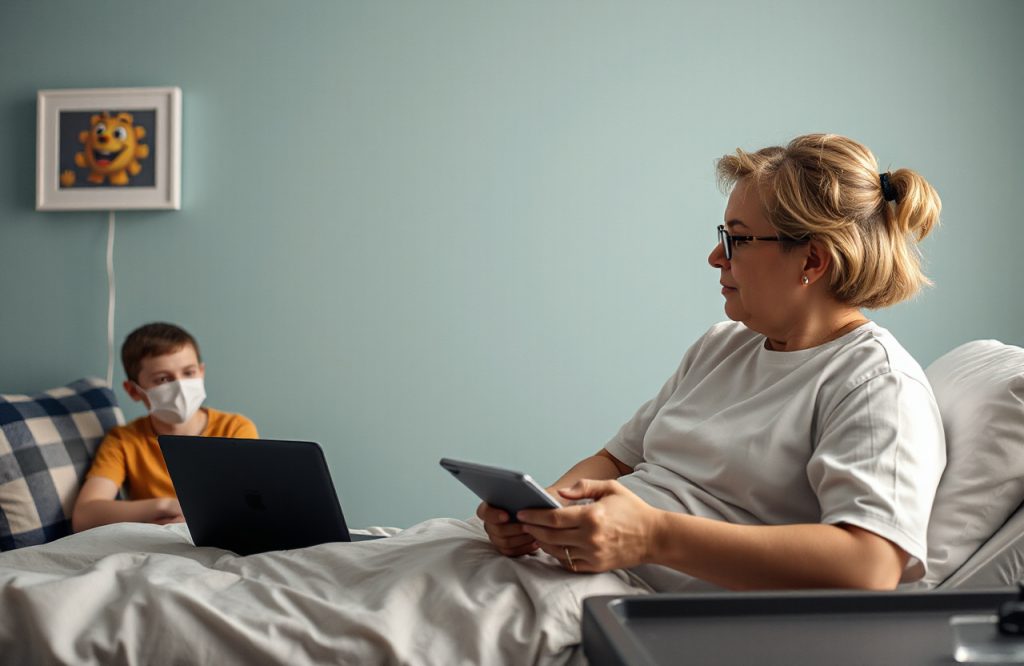
Impact of Disney Movies on Quality of Life in Women with Gynecologic Cancer
Research Background
A recent clinical trial explored the effects of watching Disney movies on the quality of life of women diagnosed with gynecologic cancer. Prior research indicates that music can positively influence quality of life while alleviating anxiety, fatigue, and distress in cancer patients. Furthermore, studies show that Disney movies, when viewed by children, highlight the significance of family and promote prosocial behavior. Motivated by these findings and the musical elements present in Disney films, researchers at the Medical University in Vienna, Austria, aimed to study the benefits of these movies on the quality of life for cancer patients.
The Cancer Experience
The journey from a cancer diagnosis to treatment and recovery profoundly impacts quality of life. Patients often experience worries related to their diagnosis, treatment side effects, and financial uncertainties. Chemotherapy, a common treatment for various cancers, poses considerable physical and mental challenges, particularly for women with gynecologic cancer. Despite these challenges, 90% of women with gynecologic cancer recognize the value of maintaining a positive outlook during their treatment.
Study Design
The researchers enlisted women with advanced ovarian cancer to evaluate the effects of Disney movies on emotional and social functioning, as well as fatigue levels. The study, published in the JAMA Network Open Obstetrics and Gynecology, involved fifty-six women, with fifty completing the trial. All participants were over eighteen and underwent six chemotherapy cycles with either carboplatin or paclitaxel. Half of the women watched Disney movies during their chemotherapy cycles, while the other half did not. The films available for viewing included classics such as Cinderella, Lady and the Tramp, and The Jungle Book, while movies featuring particularly sad scenes, like Dumbo and Bambi, were excluded.
Findings
Participants completed standardized questionnaires from the European Organisation for Research and Treatment of Cancer before and after each chemotherapy cycle. Results indicated that women who watched Disney movies reported feeling less tense and worried, experienced fewer fatigue symptoms, and noted less impact on their family and social activities. These women also felt a decrease in feelings of helplessness, exhaustion, irritability, and frustration.
The positive outcomes are attributed to the combination of uplifting music and engaging storylines in Disney films. These movies often convey themes of accepting change and overcoming life’s challenges, which may contribute to personal growth. The characters’ journeys of accepting support from friends and family likely explain the observed increases in social functioning scores among participants. Additionally, the elements of distraction and escapism provided by the films should be considered.
Limitations and Future Research
While the results of this study are encouraging, the sample size was relatively small. It is important to recognize that watching Disney movies may not be beneficial for all women, particularly those who have lost children or faced fertility issues. Further studies are necessary to compare the effects of Disney films with other movie genres. However, given Disney’s affordability and global recognition, these films could potentially enhance the quality of life for some cancer patients undergoing chemotherapy.
References
EurekAlert!. 2020. Effect On Quality Of Life Of Watching Disney Movies During Chemotherapy. [online] Available at: [Accessed 12 May 2020].
Pils, S., Ott, J., Reinthaller, A., Steiner, E., Springer, S. and Ristl, R., 2020. Effect of Viewing Disney Movies During Chemotherapy on Self-Reported Quality of Life Among Patients With Gynecologic Cancer. JAMA Network Open, 3(5), p.e204568.
Pisu, M., Kenzik, K., Rim, S., Funkhouser, E., Bevis, K., Alvarez, R., Cantuaria, G., Rocconi, R. and Martin, M., 2017. Values and worries of ovarian cancer patients. Gynecologic Oncology, 147(2), pp.433-438.
Image by Pexels from Pixabay.