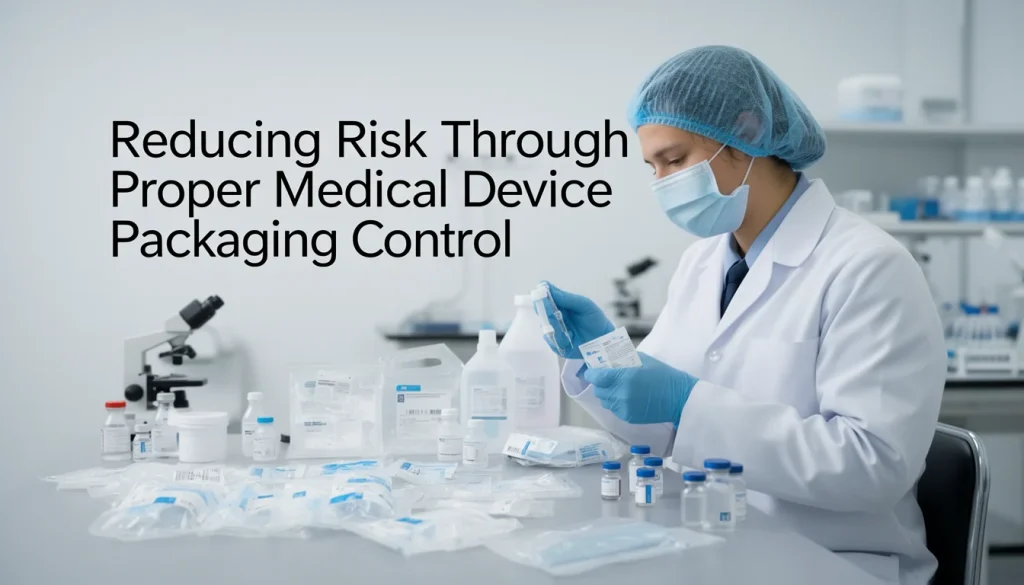
Packaging Is Part of the Medical Device Safety System
Why packaging is more than “just a cover”
When medical devices leave the factory, their packaging is not a cosmetic afterthought — it is an integral part of the safety system that protects patients and clinicians. Even a perfectly manufactured instrument can become unsafe if its packaging degrades or the seal fails. Compromised packaging can allow contamination, lead to patient harm, trigger costly product recalls, and damage institutional trust. For this reason, effective control of medical device packaging is a quality and safety priority from manufacturer to hospital.
What Strong Packaging Control Must Achieve
Core objectives of packaging control
Robust packaging control focuses on ensuring that every packaged device consistently meets safety and sterility expectations. Key objectives include:
– Creating an effective barrier against microbial and particulate ingress.
– Maintaining seal integrity during handling, transportation, and storage.
– Protecting devices from moisture, mechanical damage, and environmental harm.
– Demonstrating that each production batch meets applicable safety and quality requirements.
When these goals are met, healthcare providers can open a package with confidence that the device inside is clean, sealed, and ready for clinical use.
Common Packaging Risks Manufacturers and Hospitals Should Watch For
Weak or incomplete seals
A seal that appears intact can still be vulnerable. If sealing parameters such as pressure, temperature, dwell time or closure force are incorrect, the seal may not fully bond. That incomplete bond can open later in distribution or storage, allowing contamination or loss of sterility.
Human and process errors
Packaging quality can be affected by human factors and process controls. Handling mistakes, incorrect machine setups, or delayed inspections all create opportunities for defects. Even small deviations from established procedures or missed checks can have significant downstream consequences.
How Seal Integrity Testing Reduces Risk
Purpose and timing of seal testing
Seal integrity testing is a primary defensive measure against packaging failures. These tests verify whether a package is truly sealed or whether leaks exist that could permit contamination. Performing integrity testing before a product reaches hospitals enables early detection of weak seals or process failures, reducing the chance that defective products enter clinical settings.
Common test methods explained
Different packaging types and device requirements call for different test methods. Typical options include:
– Vacuum decay testing: measures pressure changes to detect leaks in sealed packages.
– Dye penetration testing: uses a dye to reveal pathways where fluid can enter through compromised packaging.
– Bubble emission testing: submerges packages to detect escaping air bubbles that indicate leaks.
– Burst strength testing: determines the maximum pressure a seal or package can withstand before failure.
Each method provides information about different failure modes; choosing appropriate tests depends on pack material, sterilization method, and clinical risk.
Digital tools to streamline testing and documentation
Many quality teams supplement physical testing with digital support systems that organize workflows and centralize records. Platforms such as Seal-check.pro are used by firms to facilitate seal checks, track outcomes, and store results in a single location. Consolidated digital records help teams identify patterns across batches, accelerate corrective actions, and simplify audit readiness.
Regulatory and Quality Requirements
Standards and expectations
Packaging for medical devices is subject to rigorous quality and regulatory expectations. Manufacturers must demonstrate that their packaging protects devices during transport and storage and that packaging processes are controlled and validated. Relevant frameworks and practices referenced by quality teams include:
– FDA recommendations for quality systems and shipment certification.
– ISO 11607, a key standard addressing packaging requirements for terminally sterilized medical devices.
– Good Manufacturing Practices (GMP) used to ensure consistent, controlled production.
Typical compliance actions include validating sealing processes, performing regular seal strength and leak testing, and documenting all significant tests and checks.
Best Practices for Robust Packaging Control
Choose suitable materials
Select packaging materials that meet clinical needs: validated barrier properties, mechanical durability, and compatibility with the device’s sterilization method. Using materials verified for these characteristics reduces the risk of failure in the field.
Control sealing parameters
Monitor and control sealing time, pressure, and temperature closely. Even small adjustments can change seal quality; established setpoints and periodic verification are important to maintain consistent performance.
Test regularly and train staff
Regular, routine testing detects issues early — before a complaint or an incident exposes a patient risk. Operators should be trained to run equipment correctly, follow documented procedures, and recognize indicators of compromised seals or process drift.
Use digital tracking and monitoring
Digital tools can reduce manual errors and improve traceability. Systems that document test steps, record results, and retain historical data make it easier to trend performance, demonstrate compliance, and support corrective actions when problems appear.
Conclusion
Effective control of medical device packaging is a patient-safety imperative. Packaging serves as shielding, trust, and accountability — not merely a protective wrapper. Companies must treat seal quality with the same rigor applied to device manufacture: validate sealing processes, perform periodic seal integrity testing, maintain strong documentation, and use targeted digital support where appropriate. Tools such as Seal-check.pro can help teams organize testing, capture results, and spot trends so corrective action is prompt and traceable. By prioritizing packaging control, manufacturers and healthcare providers reduce contamination risk and deliver safer products to clinicians.
Frequently Asked Questions
1. What is medical device packaging control?
It is the structured process of managing materials, sealing operations, testing procedures, and documentation to keep medical device packaging safe and sterile throughout manufacturing, storage, and distribution.
2. Why is seal integrity testing necessary?
Seal integrity testing confirms that seals are leak-free and sufficiently strong to maintain sterility and barrier protection, reducing the risk of contamination reaching the device.
3. What happens if packaging fails?
Packaging failure can lead to regulatory non-compliance, increased risk to patient safety if a device becomes contaminated or damaged, and potential recalls or other costly corrective actions.
4. How does Seal-check.pro help in packaging control?
Seal-check.pro supports seal testing workflows by organizing testing steps, tracking results, and storing records in one location, making it easier to identify patterns and address problems quickly.
Disclosure
The editorial staff of Medical News Bulletin had no role in the preparation of this post. The views and opinions expressed in this post are those of the advertiser and do not reflect those of Medical News Bulletin. Medical News Bulletin does not accept liability for any loss or damages caused by the use of any products or services, nor does it endorse any products, services, or links mentioned in sponsored articles.