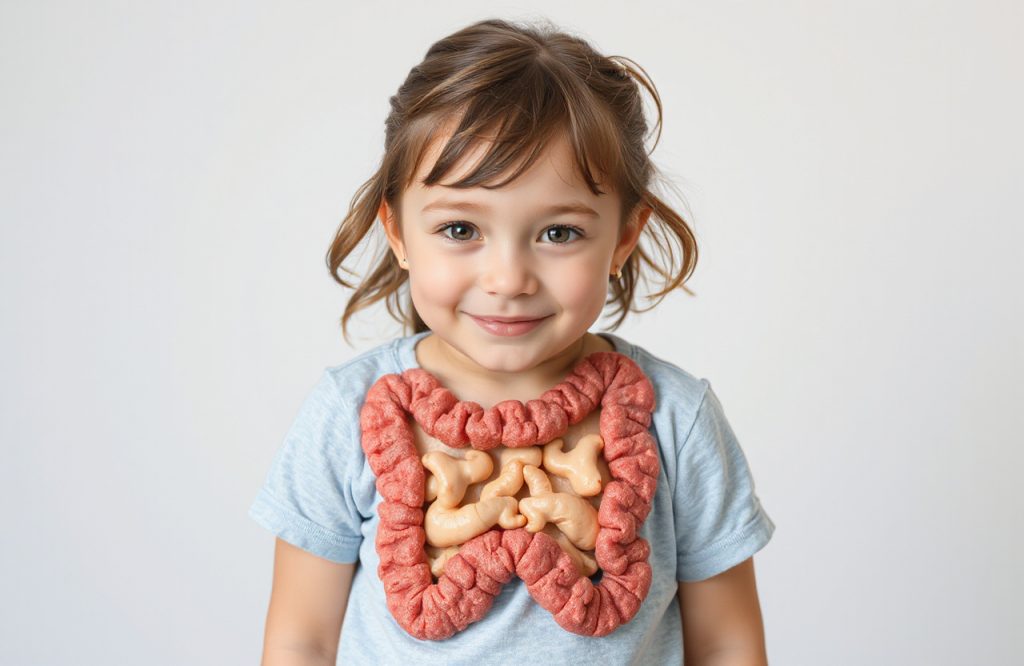
New Findings on Inflammatory Bowel Disease and Wellbeing in Children
Overview of Inflammatory Bowel Disease
Researchers in Switzerland have published significant findings in BMC Gastroenterology regarding the connection between inflammatory bowel disease (IBD) and the overall wellbeing of children. IBD is a rare, chronic illness that can be debilitating, characterized by alternating phases of disease activity and remission. The condition presents a range of symptoms, including bloody diarrhea and complications affecting other body systems, such as joint pain.
Classification of Inflammatory Bowel Disease
IBD is primarily categorized into two types: Crohn’s disease (CD) and ulcerative colitis (UC). Although these types share several symptoms, they can be distinguished by specific characteristics. Notably, ulcerative colitis is confined to the colon, whereas Crohn’s disease can impact any part of the gastrointestinal tract, from the mouth to the terminal colon.
The Impact of IBD on Adults
Previous studies indicate a negative correlation between IBD and wellbeing in adults, with approximately 25% of individuals suffering from depression alongside their physical symptoms. However, the effects of IBD on the wellbeing of children remain less understood. Given the diverse symptoms associated with IBD, it can significantly disrupt the daily lives of young patients.
Study on Psychological and Physical Performance
A recent study published in BMC Gastroenterology explored the psychological and physical performance of children and adolescents with IBD compared to healthy controls. The study involved 47 participants, of whom 23 were diagnosed with IBD—14 in remission (with adjusted medication) and 8 experiencing an active phase of the disease. The remaining 24 participants served as a control group.
Findings and Implications
Participants were evaluated based on body size and shape, blood values, physical activity, socio-demographic factors, and psychological functioning. The results indicated that children with IBD exhibited elevated levels of erythrocyte sedimentation rate (ESR), C-reactive protein (CRP), hemoglobin, and leukocyte counts. Notably, those in the active phase of the disease demonstrated poorer psychological functioning and reduced physical activity compared to both patients in remission and healthy controls.
The findings reinforce the connection between IBD and wellbeing in children. The authors concluded that effective medical treatment for young patients with IBD correlates with improved psychological, physiological, and physical activity outcomes. They also recommended the incorporation of psychological counseling for children and adolescents who are in the active phase of IBD.
Reference
Mählmann, L., Gerber, M., Furlano, R. I., Legeret, C., Kalak, N., Holsboer-Trachsler, E., & Brand, S. (2017). Psychological wellbeing and physical activity in children and adolescents with inflammatory bowel disease compared to healthy controls. BMC Gastroenterology, 17(1), 160.
Written by Nima Makhdami, M.D.