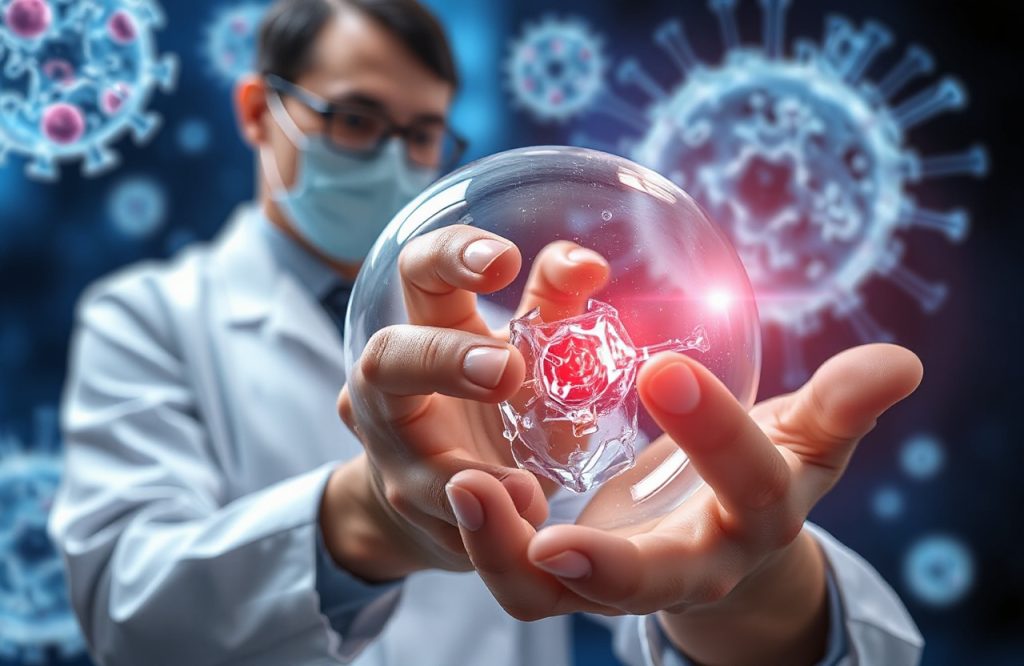
Understanding Stem Cells
Types of Stem Cells
Stem cells are categorized into three main types: embryonic, adult, and induced pluripotent stem cells. Each type possesses distinct properties and potentials.
– **Embryonic Stem Cells**: These cells are derived from early-stage embryos and have the capability to develop into any cell type within the body.
– **Adult Stem Cells**: Found in various tissues, adult stem cells can differentiate into a limited number of cell types related to their tissue of origin.
– **Induced Pluripotent Stem Cells**: Created by genetically reprogramming adult cells, these stem cells mimic the versatility of embryonic stem cells.
While each type holds significant potential for disease treatment, they also come with unique challenges.
Potential Applications of Stem Cells
Stem cells show promise in several applications, including regenerative medicine, disease modeling, drug development, and tissue engineering. Their ability to self-renew and differentiate into various cell types presents numerous possibilities for future medical advancements.
Key applications include:
– **Regenerative Medicine**: Stem cells can replace or regenerate damaged tissues and cells, offering potential cures for diseases and injuries that currently lack effective treatments.
– **Disease Modeling**: Laboratory-grown stem cells can simulate diseases, providing insights into disease progression and drug effectiveness.
– **Drug Development**: Testing new drugs on stem cells can reveal safety and efficacy before they proceed to human trials.
– **Tissue Engineering**: Stem cells can aid in growing new tissues, which could revolutionize organ transplantation and reduce reliance on donor organs.
Transformative Role of Adult Stem Cells
Combatting Blood Disorders
Hematopoietic stem cell transplantation (HSCT) has significantly advanced treatments for individuals with leukemia and lymphoma by repairing or replacing malfunctioning bone marrow.
Restoring the Musculoskeletal System
Mesenchymal stem cells have shown the potential to regenerate cartilage, bone tissue, and tendons. This advancement could greatly benefit individuals suffering from osteoarthritis, fractures, and various orthopedic issues.
Targeting Neurological Conditions
Research into adult neural stem cells offers hope for treating neurodegenerative diseases such as Parkinson’s and Alzheimer’s. These cells may also assist in recovery from traumatic brain and spinal cord injuries by promoting neural tissue repair.
Heart Tissue Repair
Adult stem cells are emerging as a promising avenue for regenerating heart tissue, potentially transforming the treatment landscape for heart disease, survivors of heart attacks, and patients with heart failure.
Ethical Concerns in Stem Cell Research
While embryonic stem cell research holds groundbreaking potential, it raises ethical concerns due to the destruction of human embryos. This controversy has led to strict regulations in many regions, impacting research progress. Conversely, adult stem cell research faces fewer ethical issues since these cells can be harvested without causing harm to the donor. The advent of induced pluripotent stem cells offers a promising alternative to the ethical dilemmas posed by embryonic stem cells. Ongoing dialogue and thoughtful regulation are essential to navigate these concerns.
The Evolution of Stem Cell Technology
Stem cell technology has seen a remarkable evolution, from the groundbreaking work of Dr. Edward Donnall Thomas to the development of induced pluripotent stem cells by Dr. Shinya Yamanaka. This evolution has transformed stem cell technology from a scientific curiosity into a powerful tool for combating debilitating diseases. The next phase will focus on refining these technologies, ensuring their safety and efficacy while addressing the associated ethical challenges.
Breakthroughs in Early Cell Therapy
The advent of early cell therapy has ushered in a new era in regenerative medicine. Researchers have unlocked the potential of stem cells, which can self-renew and differentiate into various cell types, leading to innovative therapies capable of repairing damaged tissues or organs. Key milestones include:
– Successful bone marrow transplants for leukemia treatment.
– The discovery of embryonic stem cells through advancements in in-vitro fertilization.
– Development of induced pluripotent stem cells, circumventing ethical issues linked to embryonic stem cells.
– Ongoing clinical trials utilizing iPSCs demonstrate the vast potential of cell therapy.
Future Challenges and Solutions in Stem Cell Therapy
Despite significant advancements in cell therapy, several challenges must be addressed for broader implementation. These include ethical concerns, regulatory issues, and scientific complexities.
– **Ethical Issues**: Continued exploration of alternatives, such as induced pluripotent stem cells, is necessary to address ethical dilemmas surrounding embryonic stem cell use.
– **Regulatory Hurdles**: Global differences in regulatory landscapes can impede international collaboration and market access.
– **Scientific Complexities**: Ensuring that stem cells differentiate into the desired cell types remains a challenge.
Proposed solutions involve creating global consensus on ethical guidelines, harmonizing regulatory procedures across countries, and investing in research to enhance understanding of stem cell biology and differentiation techniques. These steps could facilitate the broader application of stem cell therapies in the future.