Introduction
Children enjoy running and playing, but they can sometimes injure their teeth. It’s crucial to know the immediate steps to take if this happens. If a tooth gets knocked out, rinse it gently with water without scrubbing. Attempt to place it back into its socket; if unsuccessful, keep it in a cup of milk and seek dental attention quickly. For a chipped or cracked tooth, rinse the mouth with warm water and apply a cold cloth to the face to reduce swelling. It’s wise to have the contact information of a reliable dentist in Livingston saved on your phone for emergencies.
Stay Calm and Check the Injury
When your child injures their mouth, remain calm and speak kindly while assessing the injury. Ask them where it hurts and encourage them to open and close their mouth gently. If a tooth is loose, instruct them not to touch or move it with their tongue or fingers. If a permanent tooth has fallen out, pick it up carefully by the crown, avoiding the root. If the tooth is dirty, rinse it gently with clean water. Refrain from giving very hot, cold, or hard foods until the mouth heals. Offer soft foods and allow your child to rest. Even if the injury seems minor, it’s advisable to visit a dentist to ensure everything is fine.
Handle a Knocked-Out Tooth Correctly
A knocked-out tooth is a serious issue that requires prompt action. The first 30 minutes are critical, and knowing how to respond can help save the tooth. Remain calm and handle the tooth carefully to prevent further damage. Take the following steps:
- Visit a dentist or emergency clinic immediately, even if you have managed to reposition the tooth.
- If there is bleeding, apply gentle pressure with gauze until it slows.
- Avoid touching the root, as it contains cells essential for reattachment.
- Seek treatment without delay, regardless of pain severity.
Acting quickly and carefully offers the best chance of saving the tooth. Visiting a dentist as soon as possible is always the safest option.
Manage Chipped or Broken Teeth
Once pain is under control, contact a children’s dentist promptly. The dentist will evaluate the chipped or broken tooth and recommend whether it needs repair, bonding, or other protective measures. Ensure your child cleans their mouth by brushing and rinsing gently, avoiding scrubbing the damaged tooth. Refrain from offering sticky or hard foods until a dentist can assess the situation. Timely assistance not only alleviates pain but also helps prevent complications like tooth sensitivity, decay, or misalignment as your child grows.
Respond Quickly to Toothaches or Abscess Signs
Toothaches in children can indicate more than just discomfort; they may signify a cavity or infection. Prompt action can prevent further complications. Ignoring pain can lead to the spread of germs, resulting in swelling, fever, or serious infection. Parents should monitor their child’s eating habits, dental hygiene, and behavior to identify complications early. Timely treatment is generally easier and less painful. To help manage discomfort, consider these steps:
- Rinse the mouth with warm salt water to alleviate pain.
- Check for food lodged between teeth and gently remove it with floss.
- Avoid placing aspirin or other medication directly on the gums.
If symptoms persist, visit a dentist immediately. Quick care helps your child feel better sooner and maintains their dental health.
Protect Teeth During Sports and Play
Prevention is essential for safeguarding your child’s teeth during sports and play. Ensure they wear a mouthguard for contact sports such as football, basketball, or martial arts, as it helps protect their teeth. A custom-fitted mouthguard offers the best protection, but even basic options are beneficial. Verify that helmets fit properly to protect the head and jaw. Teach children not to use their teeth to open items or grind hard objects like ice, pens, or pencils. Adopting these simple habits can significantly reduce the risk of broken or knocked-out teeth, helping to maintain your child’s healthy smile.
Final Thoughts
In summary, dental accidents involving children can be alarming, but being prepared can make a significant difference. Parents who stay calm and are familiar with basic first-aid measures and when to contact a dentist can manage these situations effectively. Using mouthguards and teaching children safe practices can help prevent many injuries. By remembering these straightforward tips, parents can protect their child’s teeth, remain confident, and promote good oral health.
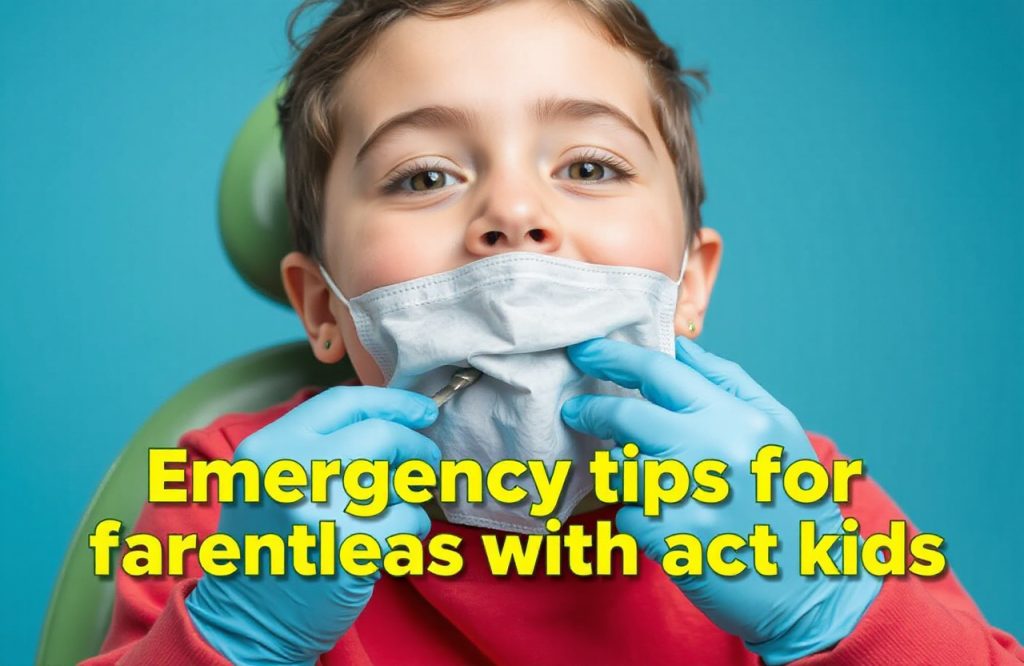
Image by 8pCarlos Morocho from Pexels.
The editorial staff of Medical News Bulletin had no role in the preparation of this post. The views and opinions expressed in this post are those of the advertiser and do not reflect those of Medical News Bulletin. Medical News Bulletin does not accept liability for any loss or damages caused by the use of any products or services, nor do we endorse any products, services, or links in our Sponsored Articles.