Guidelines for Parents: Managing Newborn COVID-19 Symptoms
Understanding the Risks
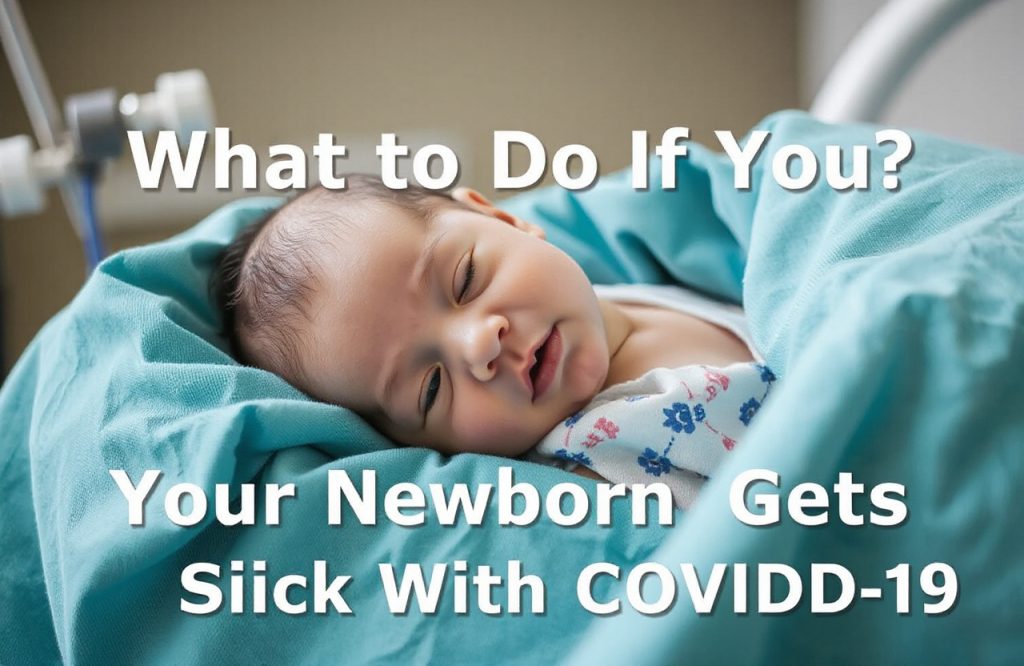
As the world continues to navigate the COVID-19 pandemic, parents are understandably concerned about the health of their newborns. Newborns may face a heightened risk of severe COVID-19 compared to other age groups. If your newborn exhibits symptoms of the virus, it is crucial to take appropriate steps to support their recovery. This guide outlines what to do if your newborn becomes ill with COVID-19.
Signs and Symptoms of Coronavirus in Newborns
New parents must be vigilant about recognizing the signs and symptoms of coronavirus in infants. The virus can affect newborns, and in some instances, it may lead to severe consequences. If you observe any of the following symptoms in your baby, seek medical attention promptly:
– Fever
– Chills
– Diarrhea
– Difficulty breathing
– Poor feeding
– Rash
Timely treatment is essential, as COVID-19 can result in serious health complications. Fortunately, effective treatments are available for infected infants, with most making a full recovery. It is imperative to consult a pediatrician if you suspect your child has contracted the virus, as early diagnosis and intervention are critical for a positive outcome.
When to Seek Hospital Care
If your newborn presents with a fever, sneezing, or any other concerning symptoms, consult your pediatrician. Hospitalization may be necessary, where your baby can receive vital medications through a neonatal PICC line. This specialized catheter allows for the administration of intravenous fluids, medications, and other treatments directly into the newborn’s veins, typically in the arm or leg. Prompt diagnosis and treatment can significantly enhance recovery chances.
Protecting Your Family
If your newborn shows symptoms, it is essential to implement measures to safeguard your family’s health. While managing a sick child can be daunting, following these precautions can help prevent illness spread:
– Limit your child’s contact with others as much as possible.
– Ensure that all family members wear masks.
– Regularly sanitize surfaces that your baby may touch.
By taking these steps, you can help protect your family from potential illness.
Potential Long-Term Effects of COVID-19 in Newborns
Concerns regarding the long-term effects of COVID-19 on newborns who contract the virus are prevalent. Research on this topic is ongoing, and while limited information is currently available, early studies indicate that there may be lasting health implications for affected infants. Parents should remain vigilant for any signs or symptoms post-recovery and consult their pediatrician for guidance on potential long-term effects.
Conclusion
While confirmed cases of COVID-19 in newborns have been relatively few, it remains vital for parents to be aware of the symptoms and understand how to assist their child in the event of an infection. Sharing this information with others who may benefit is encouraged.
Disclaimer
The editorial team at Medical News Bulletin did not contribute to the creation of this article. The views expressed herein belong to the author and do not reflect those of Medical News Bulletin. The publication does not accept responsibility for any losses or damages resulting from the utilization of products or services mentioned, nor does it endorse any specific products, services, or links within sponsored content.