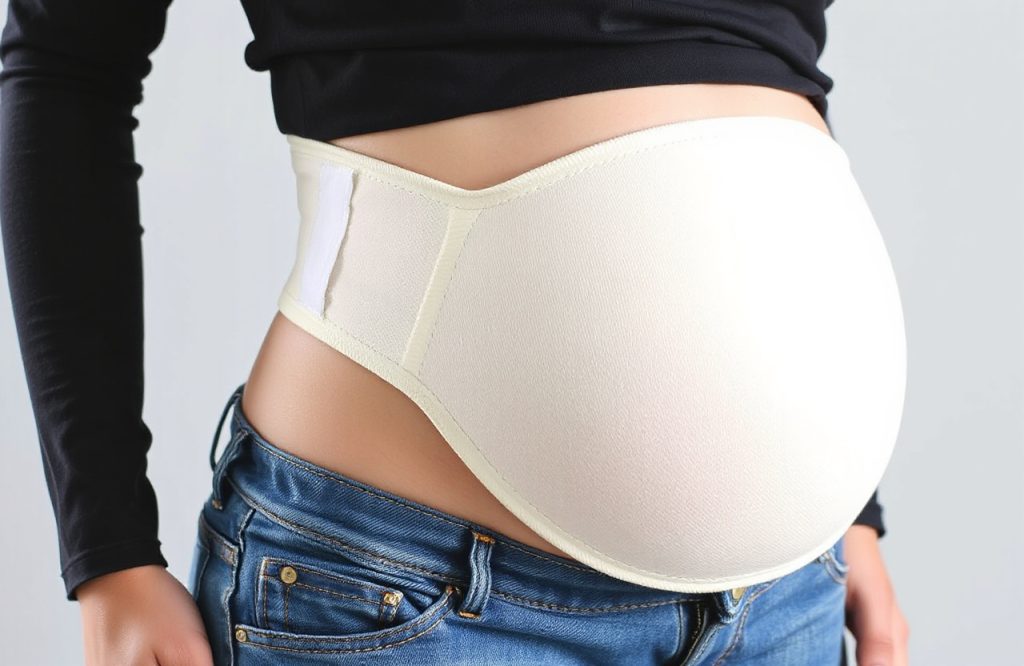
Belly Band for Umbilical Hernia During Pregnancy
A belly band designed for umbilical hernia offers vital support and relief for pregnant women experiencing this common condition. As pregnancy progresses, the abdominal muscles stretch and weaken, which can allow parts of the intestine or tissue to protrude at the belly button, resulting in pain or an outward bulge. While an umbilical hernia itself is generally not considered hazardous during pregnancy, it can disrupt everyday activities, including standing and basic movements. A belly band provides gentle compression, reduces tension, improves positioning, and allows for greater mobility, enhancing comfort throughout the pregnancy experience.
What Is an Umbilical Hernia and Why Does It Occur During Pregnancy?
An umbilical hernia occurs when intestines, fat, or tissue near the belly button protrude through a weak spot in the abdominal muscles. This condition is often visible as a small bulge at the belly button that may become more pronounced during bending, coughing, or straining.
During pregnancy, the expanding uterus stretches the abdominal wall, weakening it and placing additional stress on vulnerable areas like the belly button. Hormonal changes further relax muscles and connective tissues, increasing the likelihood of a hernia. While a pregnancy-related umbilical hernia is typically not dangerous, it can lead to discomfort, pain, or a feeling of heaviness in the abdomen. Understanding the underlying causes can empower expectant mothers to effectively manage symptoms and seek appropriate support.
Can You Use a Belly Band for Umbilical Hernia Support?
Yes, a belly band can provide support for an umbilical hernia during pregnancy by applying gentle pressure to the abdominal wall, alleviating tension and making daily activities more comfortable. While a belly band will not cure the hernia, it can help reduce discomfort. However, if the hernia becomes painful or changes, it is crucial to consult a doctor before using a belly band.
How Belly Bands Help Relieve Pressure and Discomfort
Belly bands offer mild compression that supports weakened abdominal muscles and helps minimize the bulging associated with an umbilical hernia. This support can alleviate pressure on the belly button, improve posture, and make activities such as walking, standing, or bending easier and more comfortable.
Choosing the Right Type of Band for Hernia Support
When selecting a belly band for umbilical hernia support during pregnancy, comfort and support are key. Look for a band that provides firm yet gentle compression, effectively holding the hernia without excessive squeezing. A wide design is often most effective, as it distributes pressure evenly across the abdomen without digging into the skin.
Additionally, opt for breathable and stretchy materials to ensure comfort throughout the day. Adjustable straps or Velcro fasteners allow for a customized fit as your bump grows. To find the best options, consider exploring reputable sources that highlight suitable belly bands designed for expectant mothers.
How to Wear a Belly Band Safely Over a Hernia
For optimal relief, the belly band should be worn snugly over the lower abdomen, directly covering the hernia area, but not so tightly that it restricts breathing or movement. The band should remain flat and not be rolled or folded, as this can lead to uneven pressure. Most mothers find relief by wearing the band during activities that strain the belly, such as walking or standing, and removing it when resting. If you experience pain, numbness, or increased bulging, loosen or remove the band immediately to prioritize comfort and safety.
When to Start and How Long to Wear It Each Day
Expectant mothers can begin wearing a belly band when they start feeling discomfort from an umbilical hernia. Many women choose to start using the band during their second or third trimester, when abdominal pressure increases. It is advisable to wear the band in short intervals—typically a few hours at a time—especially during activities that stress the belly. Remove the band while resting or sleeping to allow your body to relax. Pay attention to your body’s signals, as prolonged use may lead to discomfort.
Signs You Need to Adjust or Stop Using the Band
The belly band should provide support without being overly tight. If you notice any of the following signs, it may be necessary to adjust or stop using the band:
- Pain or soreness around the belly or lower back.
- Significant redness or deep marks on the skin upon removal.
- Tingling or numbness, particularly in the legs or abdomen.
- Increased swelling of the hernia.
- Shortness of breath or discomfort in movement.
When these symptoms arise, loosen the band, consider a better-fitting option, or discontinue use until you can consult a healthcare provider.
When to Talk to Your Doctor About Pain or Hernia Changes
Although belly bands can help manage discomfort, it is essential to know when to seek medical advice. Contact your doctor if you experience any of the following:
- Severe or worsening pain around the hernia.
- Increased swelling, hardness, or sensitivity of the hernia.
- Redness, swelling, or discoloration near the belly button.
- Nausea, vomiting, or constipation accompanied by hernia symptoms.
- A hernia that cannot be easily pushed back in.
These symptoms may indicate complications or worsening of the hernia. Always communicate any uncertainties with your healthcare provider, especially during pregnancy, to ensure the safety of both you and your baby.
Conclusion
Experiencing an umbilical hernia during pregnancy can be uncomfortable; however, the right support can make a significant difference. While a belly band will not resolve the hernia, it can alleviate strain, promote better posture, and enhance mobility. By selecting a supportive, breathable band and following safe wear practices, you can minimize discomfort and protect your growing belly. Each pregnancy is unique, so it is advisable to consult your healthcare provider for personalized guidance. If you seek additional support, exploring options for the best belly bands designed for pregnancy can help you find the right fit for a more comfortable experience.