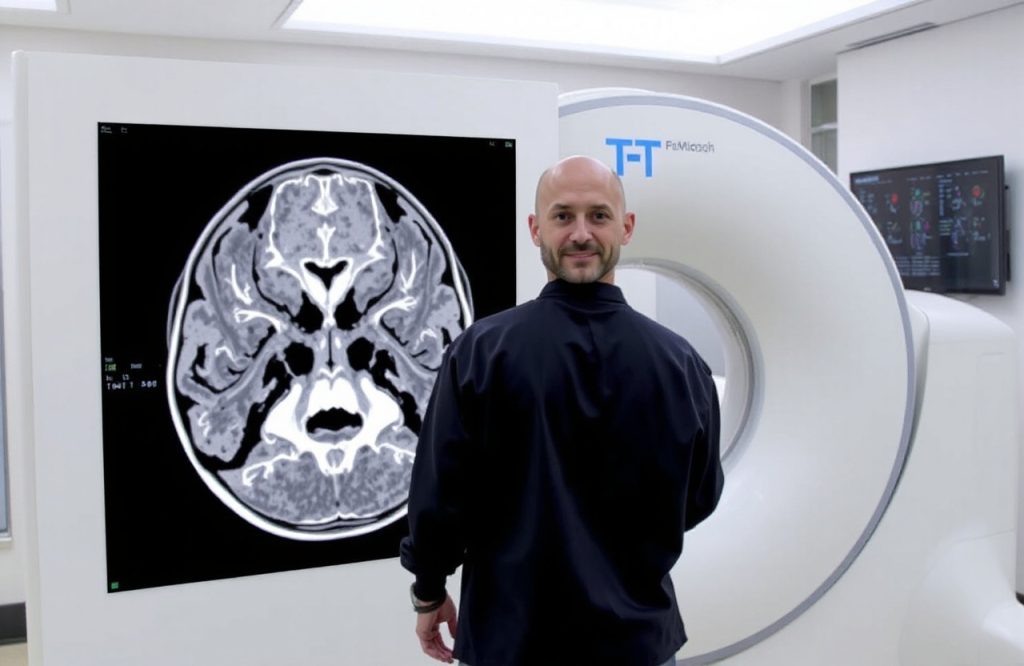
Understanding Magnetic Resonance Imaging (MRI)
Overview of MRI Technology
Magnetic Resonance Imaging, commonly referred to as MRI, is among the most advanced diagnostic tools available in medicine today. Unlike other diagnostic technologies that utilize ionizing radiation, MRI employs magnetic energy and radio waves to generate detailed images of the body’s tissues. This capability makes MRI an invaluable asset in diagnosing and treating neurological disorders, joint issues, and various health complications.
Importance of MRI Knowledge in Healthcare
Familiarity with MRI technology is crucial for hospitals, healthcare institutions, and planners. The decision to acquire an MRI system extends beyond technical and commercial considerations; it also significantly impacts operating costs in the healthcare sector.
How MRI Systems Operate in Clinical Settings
Fundamentals of MRI Functionality
The operation of an MRI machine relies on a strong magnetic field that aligns hydrogen atoms in the body. When a pulse of radiofrequency energy is applied, these atoms emit signals as they return to their original state. The MRI machine captures these signals to create cross-sectional images of internal structures.
Impact of Magnetic Field Strength
The strength of the magnetic field, measured in Teslas (T), is a key factor affecting image quality. Generally, higher magnetic field strengths result in shorter scan times and improved imaging capabilities, making such machines essential for complex neurological assessments and vascular analyses. Although lower field strength MRIs may produce less detailed images, they can still be effective for routine applications, requiring less infrastructure, consuming less power, and offering easier maintenance. This makes them viable options for developing countries and smaller facilities.
Core Components of an MRI System
Essential MRI Components
An MRI system comprises several critical components, each playing a role in its overall functionality. A constant magnetic field is essential to avoid artifacts, while gradient coils are crucial for spatial encoding and scanning speed. The efficiency of signal transmission and reception, and thus the resolution of images, is influenced by radiofrequency (RF) coils and receivers.
Role of Software in MRI Systems
Modern MRI systems require sophisticated software solutions to manage imaging procedures and process the resulting data. This software aids radiologists in conducting accurate analyses and enhances the efficiency of imaging personnel.
Clinical and Operational Considerations
Factors in MRI System Selection
Choosing an MRI system involves more than just reviewing technical specifications; it necessitates consideration of the clinical environment. High-output hospitals often prioritize speed, automation, and computer-assisted design (CAD) imaging capabilities to efficiently handle large patient volumes. Conversely, smaller clinics may value reliability, ease of use, and predictable maintenance costs over advanced features.
Impact of Physical Space on MRI Planning
Physical space is a crucial factor in MRI system planning. The size of the room, shielding requirements, cooling systems, and electrical infrastructure must all be assessed before installation, as these aspects influence both initial costs and ongoing operational needs.
Enhancing Patient Comfort and Experience
Addressing Patient Concerns During MRI Procedures
An emerging focus in imaging services is the patient experience. MRI procedures can be lengthy and noisy, which may be challenging for some patients. Factors such as the bore size of the machine, noise reduction technology, and procedure duration all affect patient compliance. Pediatric and geriatric patients, as well as those with claustrophobia, may require more patient-friendly facilities to improve their experience and reduce the likelihood of repeat scans.
Strategic Planning for MRI Acquisition
The Importance of Long-term Planning
Acquiring an MRI system is a significant investment, making long-term planning essential. Decision-makers should evaluate service support, upgrade options, and compatibility with existing imaging systems. An appropriately selected MRI platform should meet current clinical needs while being adaptable for future advancements.
Evaluating MRI Configurations
Facilities considering imaging expansion or equipment replacement must carefully compare available MRI configurations. Balancing performance, operational costs, clinical demand, and expected lifespan is critical. Overinvestment in unnecessary features can strain budgets, while underinvestment may restrict diagnostic capabilities.
Conclusion
MRI systems are fundamental to modern diagnostic imaging, providing unmatched detail without exposing patients to radiation. A thorough understanding of MRI technology, system components, and functional requirements enables healthcare institutions to make informed decisions. By harmonizing technical capabilities with patient needs and facility objectives, healthcare professionals can select MRI systems that offer reliable diagnostic functionality, workflow efficiency, and long-term benefits for both providers and patients.