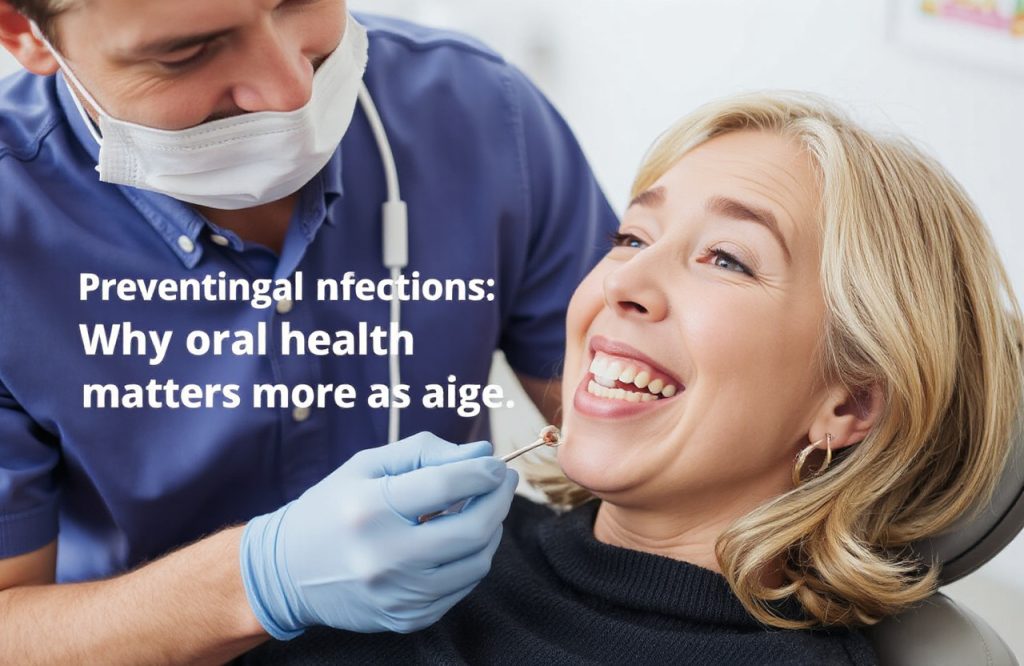
Understanding the Health Risks of Oral Infections in Elderly Patients
The Link Between Oral Hygiene and Overall Health
Researchers at the University of Connecticut emphasize the critical reasons elderly individuals with oral infections face an elevated risk of general health complications. Poor oral hygiene can lead to serious health issues, particularly in older adults, who are notably more susceptible to these negative effects. A recent review published in the Journal of American Geriatrics Society reveals that older populations have a significantly higher vulnerability to oral health complications.
Statistics on Oral Health in the Elderly
Data indicates that older adults are twice as likely to experience cavities compared to their younger counterparts. The incidence of gum disease and oral infections tends to rise with age. In the United States, approximately 64% of older adults are estimated to suffer from periodontitis, a severe gum infection that is linked to cardiovascular diseases and diabetes.
Identifying Risks for Geriatric Patients
The review’s authors, including faculty from the University of Connecticut School of Medicine and School of Dental Medicine, outline several factors contributing to the increased risk among elderly patients. A significant factor is the heightened bacterial load associated with inadequate oral hygiene, which poses unique risks for older individuals. Basic activities, such as brushing teeth, can become hazardous due to canker sores or oral inflammation, allowing bacteria to enter the bloodstream. Once in circulation, these bacteria can infect critical areas of the body, including heart valves and prosthetic joints.
Mechanical and Psychological Risk Factors
Some risk factors affecting oral health in the elderly are mechanical, while others are psychological. For instance, individuals with tooth loss may struggle to chew properly, potentially leading to malnutrition. Additionally, those with dementia might neglect essential oral health routines, further exacerbating their risks.
Recommendations for Improving Oral Health
The authors propose several strategies to enhance oral health among elderly patients. Healthcare providers are encouraged to incorporate oral examinations into the annual physical assessments of geriatric patients. Furthermore, older adults should schedule dental visits for cleanings and evaluations at least twice a year. Nursing homes and similar institutions also play a crucial role; the authors advocate for implementing risk assessment protocols to identify residents who are at a higher risk of poor oral hygiene.
Aiming for Better Health Outcomes
The authors hope that these recommendations will contribute to improved health outcomes for this vulnerable segment of the population.
References
Coll PP et al. The Prevention of Infections in Older Adults: Oral Health. J Am Geriatr Soc. 2019 Sep 3. doi: 10.1111/jgs.16154. [Epub ahead of print]
As we age, oral health plays an increasing role in overall health. University of Connecticut. 2019 Sep 26. https://www.eurekalert.org/pub_releases/2019-09/uoc-awa092619.php
Disclaimer
The article contains sponsored links to other sites provided for convenience and informational purposes. The editorial staff of the Medical News Bulletin did not participate in the preparation of the content of these linked sites and is not responsible for their accuracy or content. The views expressed in the sponsored links reflect those of the advertiser and do not represent the Medical News Bulletin. The publication does not accept liability for any losses or damages resulting from the use of products or services mentioned in these links, nor does it endorse any products, services, or linked content.