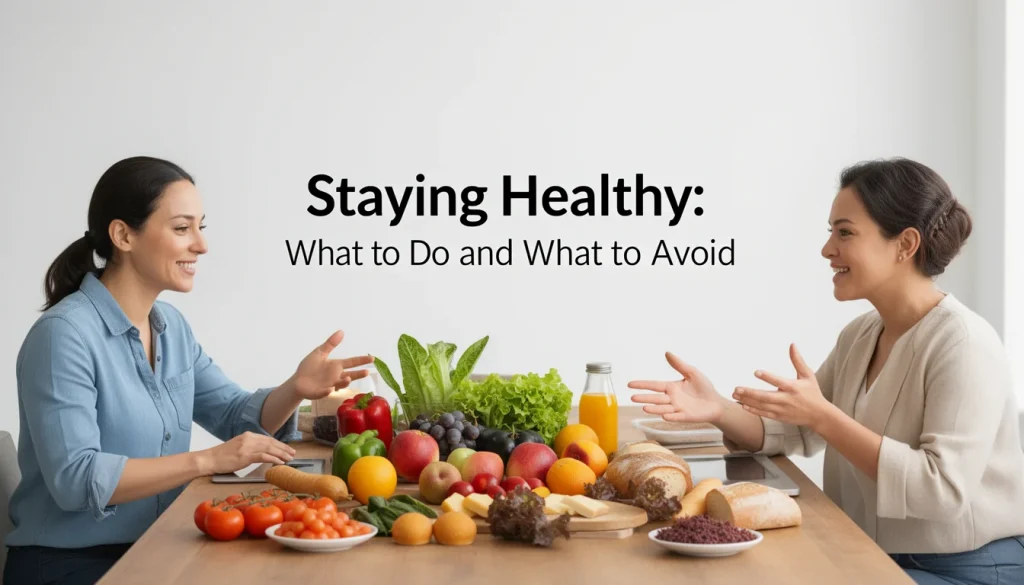
Have you ever caught yourself googling “how to be healthy” while eating takeout in bed? You’re not alone. In Kentucky, where fast food outnumbers gyms by a wide margin – staying healthy often feels like paddling upstream with a fork. But between what we’re told to do, what we actually do and what social media insists we should be doing, it’s hard to sort signal from noise. In this blog, we will share what actions actually support long-term health, what habits to avoid and how to spot the difference.
Health Isn’t a Checklist. It’s a Moving Target
Forget the image of the perfectly optimized person jogging at 5 a.m. and blending kale at sunrise. That version of health has never been the full picture. These days, staying healthy means learning to adapt, not chasing perfection. We live in a country where processed food is cheaper than produce – where people work two jobs and still can’t afford dental insurance and where TikTok wellness trends can start a celery shortage overnight. So the first step is recognizing that your health decisions exist in a bigger, messier system.
Take mental health, for example. A few decades ago, it barely made it into the conversation. Now it’s central. Burnout is discussed in staff meetings. Therapy isn’t just for “serious” cases anymore. More people are looking for support earlier and it’s working. In states like Kentucky, people are increasingly seeking help not just in cities but in smaller communities, too. Seeing a therapist in Kentucky has become more accessible than ever thanks to local clinics, remote options and growing awareness. It’s not treated like a last resort anymore – it’s proactive care, just like exercise or eating better.
This shift really does matter. Our minds and bodies are not running on separate systems – even if we sometimes treat them that way. When stress drags on for weeks or months, it can mess with your sleep, change your appetite and weaken your immune system. Anxiety and depression do more than affect mood. They can drain your drive, throw off daily routines, and slowly push you toward habits that do not help in the long run.
Eat Like You Live Here. Not Like an Influencer
Food advice in the internet age swings between panic and purity. Don’t eat carbs. Only eat carbs. Avoid seed oils. Fast until noon. Drink bone broth. Go vegan. Go carnivore. The extremes come fast and most people follow none of them – because real life doesn’t run on food rules crafted by shirtless influencers or holistic bloggers with rice-paper kitchens.
The truth is, most people do best with moderate, repeatable habits. Cook when you can. Eat fewer packaged meals. Make greens half your plate when it’s possible. Choose protein sources that don’t come breaded in a box. Hydration matters but you don’t need a Stanley cup the size of a toddler. Coffee is fine. So is dessert.
The biggest mistake isn’t eating the wrong thing – it’s expecting the “right” thing to fix everything. No salad fixes six hours of doomscrolling. No protein shake reverses weeks of stress sleep. Eating well is one spoke in the wheel, not the whole ride.
Also, food is culture. It’s social. It’s plain joy. Healthier eating habits that ignore taste (and satisfaction) usually collapse under their own weight. You can eat mindfully without turning every meal into a math problem. If you cook more and eat out less, you’ll already beat most statistics. And if you pay attention to how food makes you feel after – not just during – you’ll naturally steer better.
Sleep Isn’t a Luxury. It’s Non-Negotiable.
Sleep is one of those things people claim they can function without until they can’t. It’s also the habit most likely to get sacrificed first when life speeds up. Between work stress, digital overload and endless notifications, eight hours of sleep feels like a fantasy to most adults. But sleep is not optional for good health. It’s a baseline.
Short sleep disrupts hormones, increases cravings, kills focus and lowers immune response. Long-term, it’s tied to everything from heart disease to depression. If you’re dragging through the day or relying on caffeine like a life jacket, sleep isn’t a soft suggestion – it’s the problem worth fixing.
Practical changes matter more than sleep gadgets or lavender candles. Set a real bedtime and don’t keep your phone near your pillow. Watch your caffeine cut-off. If sleep feels out of reach, don’t normalize that – address it like you would any other health issue. Sleep isn’t about discipline. It’s about recovery. You don’t get stronger, smarter, or healthier without it.
Things to Avoid If You Actually Want to Stay Healthy
Let’s cut to it. There are a few choices that reliably damage health and pretending they don’t only delays the inevitable. Smoking still leads to the most preventable deaths. Heavy drinking isn’t neutral – it raises cancer risk, disrupts sleep and lowers mood. Ultra-processed foods aren’t evil but a steady diet of them increases risk for chronic disease. Chronic stress with no outlet frays your body like bad wiring.
You don’t need to live like a monk but you do need to be honest about tradeoffs. A weekend binge now and then isn’t the issue. It’s the routine you don’t notice that shapes your future. And most bad habits aren’t about willpower – they’re about coping. Stress, boredom, loneliness, exhaustion – these are the things that build bad habits brick by brick.
So address the root. Work is draining you? Change the pattern, not just the snacks. If relationships are toxic, repair or cut ties. If your environment makes healthy choices harder, adjust what you can control. Health starts where you live, not just in what you log.
The bottom line? Staying healthy isn’t a performance – it’s not about doing the right things all the time. It’s about knowing which things matter most, doing them more often than not and not letting a few off-days convince you to give up the whole thing. Eat better when you can. Sleep longer when it’s possible. Move daily in a way you enjoy. Get help before things fall apart. That’s not just staying healthy. That’s surviving modern life with your head above water.
Images by Nathan Cowley from Pexels
The editorial staff of Medical News Bulletin had no role in the preparation of this post. The views and opinions expressed in this post are those of the advertiser and do not reflect those of Medical News Bulletin. Medical News Bulletin does not accept liability for any loss or damages caused by the use of any products or services, nor do we endorse any products, services, or links in our Sponsored Articles.