Understanding Chest Wounds and Their Risks
The Dangers of Chest Injuries
Any injury sustained on the human body has the potential to be life-threatening if it leads to significant bleeding. However, injuries to the chest area pose an especially high risk. Not only can these wounds result in excessive blood loss, but they can also adversely affect the victim’s ability to breathe. Chest wounds can occur anywhere from the neck to the stomach, and it is crucial to assess both the chest and back areas to determine the severity of the injury. In these critical moments, prompt first aid can be the key to saving a life, as every second counts in controlling severe bleeding.
The Importance of a Chest Seal
What Is a Chest Seal?
A chest seal is an essential tool in first aid kits for managing chest wounds. It is designed to treat, seal, and reseal open chest wounds effectively. Breathing is a vital function, and a chest injury can severely disrupt this process. Chest seals, such as those manufactured by SAM Medical, are engineered to adhere strongly under various environmental conditions. When selecting a chest seal, it is important to ensure it meets the CoTCCC-preferred features for optimal performance.
When to Use a Chest Seal
Chest seals are necessary when a victim is experiencing massive or life-threatening bleeding that is interfering with their airway and breathing. The primary function of a chest seal is to control bleeding and maintain the victim’s airway until professional medical help can be obtained.
Key Features of SAM Chest Seals
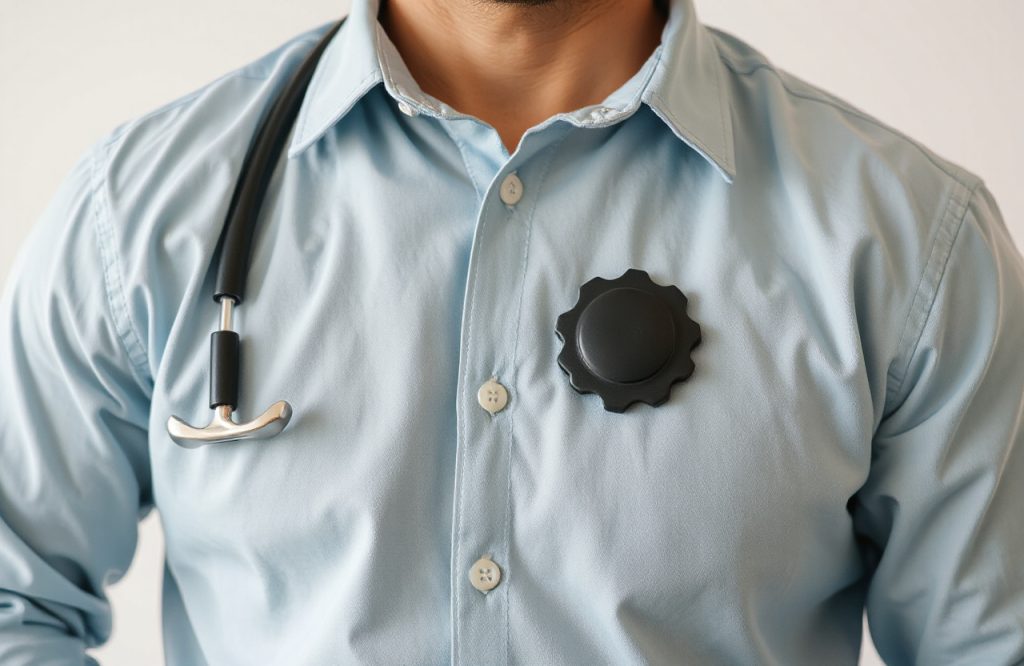
The SAM chest seal is distinguished by its innovative design, which includes a rigid, raised-dome valve that allows for one-way airflow from the chest cavity, irrespective of external pressure. Its large side vents are strategically placed to minimize the risk of internal obstruction from blood clots or soft tissue. The TRUFLOW™ Valve continues to function effectively even when the victim is wearing heavy body armor or is being transported.
Applying a Chest Seal
Steps to Administer First Aid
Learning how to use a chest seal can be crucial in an emergency situation. Whether you are providing first aid to someone else or need assistance yourself, knowing the proper steps can mean the difference between life and death.
Step-by-Step Application
1. **Locate the Wound**: Carefully examine the victim’s chest area, which may be surrounded by significant blood loss. Remove any clothing obstructing your view and use gloves to check the chest and back for wounds, as there may be more than one injury.
2. **Prepare the Chest Seal**: Once you have identified the wound, open the SAM Chest Seal packaging and clean the affected area as best as possible before applying the seal.
3. **Apply the Chest Seal**: Hold the application tab securely and swiftly pull off the clear liner. Position the TRUFLOW™ Valve over the wound, ensuring the adhesive side is facing down. Press firmly on the entire surface of the seal to secure it in place. Keep the valve cap on initially to maintain a large occlusive dressing effect.
Removing the valve cap will activate the one-way airflow feature of the chest seal, allowing air to escape from the chest cavity while preventing external air from entering, thus minimizing the risk of further complications.
Conclusion
In emergencies involving chest wounds, understanding the use of a chest seal can be life-saving. Being prepared and knowing how to act quickly and effectively is crucial in ensuring the best possible outcome for the victim.