Understanding St. John’s Wort for Depression
Overview of St. John’s Wort
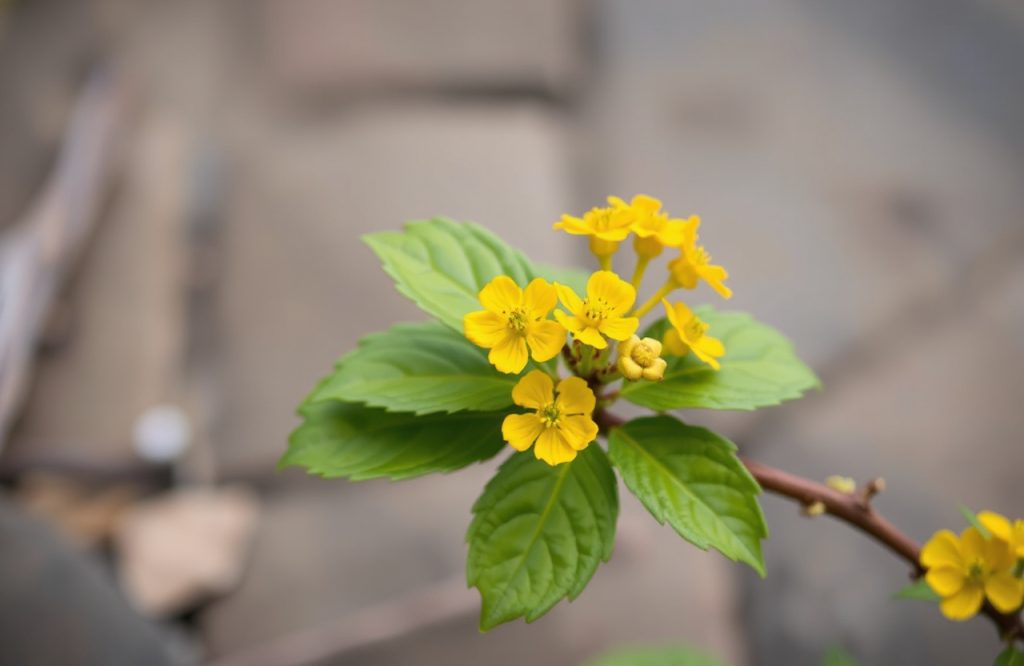
St. John’s wort, scientifically known as Hypericum perforatum, is a flowering plant indigenous to Europe. For centuries, it has been utilized to address various mental health issues, most notably depression. The plant’s name originates from its blooming period, coinciding with the birthday of John the Baptist in the biblical tradition. The yellow flowers and leaves contain active compounds, including hyperforin and hypericin, which are utilized in liquid extracts, capsules, teas, and topical applications.
1. Efficacy Compared to Placebo
Research from the National Institute of Health (NIH) has explored the effectiveness of St. John’s wort in treating depression. A 12-week study involving 73 participants showed that neither St. John’s wort nor the standard antidepressant citalopram significantly reduced minor depression symptoms compared to a placebo. A more extensive 26-week study with 124 participants indicated that St. John’s wort and another antidepressant, sertraline, were similarly effective as a placebo for treating moderate major depression. A 2008 review of 29 global studies concluded that St. John’s wort might be more effective than a placebo and comparable to several standard antidepressants for mild to moderate major depression symptoms, with fewer side effects. However, a 2002 study involving 340 participants showed that St. John’s wort was no more effective than a placebo for moderate major depression symptoms.
2. Interaction with Prescription Medications
St. John’s wort can interfere with the effectiveness of various prescription medications, including antidepressants, birth control pills, cyclosporine (used to prevent organ transplant rejection), digoxin (a heart medication), oxycodone, and several medications for HIV and cancer, along with warfarin. Therefore, it is crucial to consult a healthcare provider before starting St. John’s wort if currently using other medications.
3. Potentially Serious Side Effects
While most side effects associated with St. John’s wort are minor and rare, such as upset stomach, dry mouth, headache, fatigue, dizziness, confusion, sexual dysfunction, and increased sensitivity to sunlight, it can also escalate feelings of anxiety due to its stimulant properties. A significant concern arises when St. John’s wort is combined with antidepressants, as it may cause a dangerously high increase in serotonin levels, leading to symptoms such as agitation, diarrhea, rapid heartbeat, high blood pressure, hallucinations, and elevated body temperature. There are also documented cases of St. John’s wort exacerbating psychotic symptoms in individuals with bipolar disorder and schizophrenia.
Conclusion
The evidence surrounding the use of St. John’s wort for depression is mixed. Most studies indicate that it may be as effective as standard antidepressants while presenting fewer side effects. However, combining St. John’s wort with various prescription medications can be hazardous and potentially life-threatening. It is vital to consult with a healthcare professional regarding the safety of using St. John’s wort in conjunction with other treatments.
References
Mayo Clinic. St. John’s wort. Last updated Oct. 13, 2017.
St. John’s Wort and Depression: In Depth by the NIH: National Center for Complementary and Integrative Health. Last modified January 04, 2018.