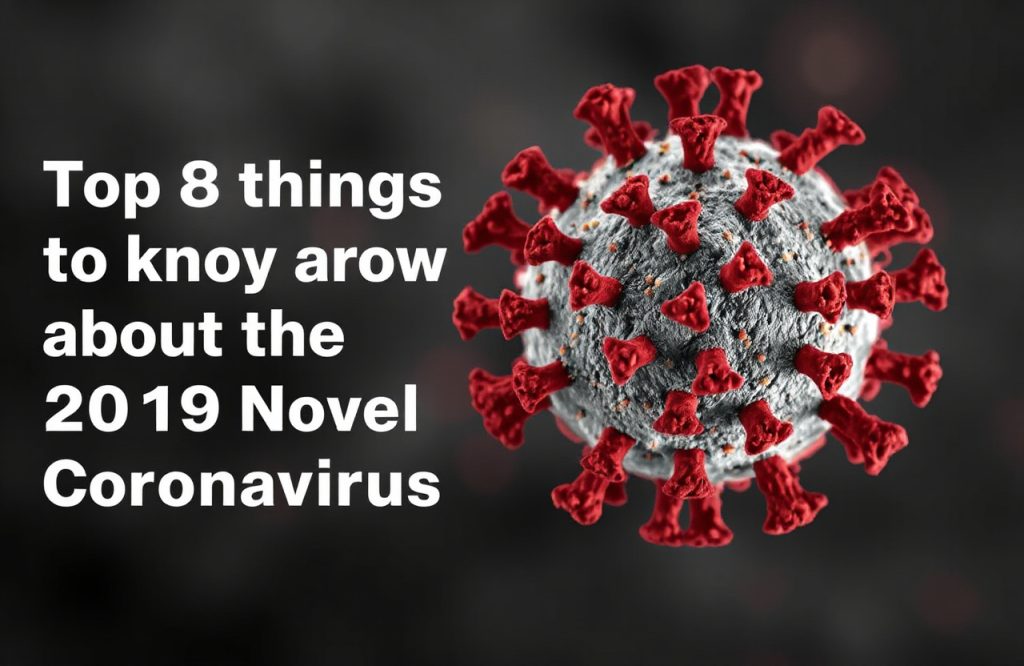
Overview of the 2019-nCoV Outbreak
Initial Reports and Identification
Late last year, alarming reports emerged concerning an outbreak of respiratory illnesses in Wuhan, China. In response, Chinese authorities promptly investigated the situation and identified a new coronavirus as the causative agent of the disease, naming it 2019 novel Coronavirus (2019-nCoV). While coronaviruses typically result in mild cold-like symptoms, they have been associated with more severe epidemics in the past. Notable examples include the severe acute respiratory syndrome coronavirus (SARS) and the Middle East respiratory syndrome coronavirus (MERS). As a result, 2019-nCoV has drawn significant attention from the international health community.
Key Questions About 2019-nCoV
This article aims to address some of the most pressing questions concerning 2019-nCoV.
Is 2019-nCoV Related to SARS or MERS?
2019-nCoV is classified as a new type of coronavirus. Although its genetic sequence shares 70% similarity with SARS, it is distinct from it. SARS, MERS, and 2019-nCoV all belong to the Coronaviridae family of viruses, characterized as enveloped, single-stranded (positive-sense) RNA viruses.
Origins of 2019-nCoV
Source of the Virus
Both SARS and MERS are zoonotic diseases, meaning they originate in animals before spreading to humans. Bats and civet cats were identified as the animal sources for SARS, while camels were the carriers for MERS. It is likely that 2019-nCoV follows a similar pattern, though the specific animal reservoir for this virus remains unknown.
Diagnosis of 2019-nCoV
Shortly after pneumonia cases were reported in Wuhan, Chinese authorities isolated the responsible coronavirus and shared its genetic sequence. This collaboration enabled the creation of diagnostic kits, with researchers from the German Centre for Infection Research at Charité University Hospital in Berlin developing the first diagnostic test a few weeks after the release of the sequence data.
Confirmed Cases of Infection
Countries reporting confirmed cases of 2019-nCoV include China, Thailand, the USA, France, Canada, Australia, Taiwan, South Korea, Singapore, Malaysia, Nepal, and Vietnam. More than 2,700 cases have been confirmed, with 80 reported deaths. A study of 41 patients in Wuhan revealed that a majority were men (73%), with a median age of 49 years. These demographics may evolve as more data on virus transmission becomes available.
Transmission of 2019-nCoV
Healthcare workers have been infected with 2019-nCoV, indicating that the virus can spread from person to person. While the exact transmission method is still under investigation, it is believed to occur through respiratory droplets produced by coughing and sneezing. Concerns about increased travel during the Chinese New Year, when millions will be on the move, have prompted local authorities in Wuhan to suspend public transportation and close airports, railway stations, and highways leading into the city.
Symptoms of 2019-nCoV Infection
The primary symptoms associated with 2019-nCoV infection include fever, fatigue, dry cough, shortness of breath, pneumonia, and respiratory distress. The disease can progress rapidly, with a typical timeline from onset to hospitalization of seven days. Difficulty breathing may occur by day eight, followed by acute respiratory distress syndrome on day nine, and potential need for mechanical ventilation approximately ten and a half days post-infection.
Preventive Measures Against 2019-nCoV
Currently, there is no vaccine available to prevent 2019-nCoV transmission. However, several precautions can help mitigate risk. The Centers for Disease Control (CDC) recommends the following preventive actions:
– Wash hands regularly with soap for at least 20 seconds.
– Avoid touching the eyes, nose, or mouth with unwashed hands.
– Maintain distance from individuals who are ill.
– Stay home when feeling unwell.
– Clean and disinfect frequently touched surfaces if sick.
– Practice proper coughing and sneezing etiquette by using a disposable tissue to cover the mouth and nose, followed by hand washing.
The World Health Organization (WHO) has also published detailed guidelines for healthcare professionals who may come into contact with the virus.
Treatment Options for 2019-nCoV Infection
At present, there are no antiviral treatments specifically for 2019-nCoV. Healthcare providers can offer supportive care and manage the symptoms associated with the infection. Significant gaps remain in our understanding of 2019-nCoV, including its epidemiology and effective treatment strategies. Nevertheless, the rapid development of diagnostic tests offers hope that collaborative efforts from the global scientific community will aid in controlling the spread of 2019-nCoV.
References
Wang, C., Horby, P. W., Hayden, F. G. & Gao, G. F. A novel coronavirus outbreak of global health concern. The Lancet, doi:10.1016/S0140-6736(20)30185-9.
Huang, C. et al. Clinical features of patients infected with 2019 novel coronavirus in Wuhan, China. The Lancet, doi:10.1016/S0140-6736(20)30183-5.
Parry, J. (British Medical Journal Publishing Group, 2020).
Hui, D. et al. The continuing 2019-nCoV epidemic threat of novel coronaviruses to global health – The latest 2019 novel coronavirus outbreak in Wuhan, China. International Journal of Infectious Diseases: IJID, 91, 264 (2020).
Anon. Wuhan Coronavirus (2019-nCoV) Global Cases (2020).
CDC. Prevention & Treatment (2020).
World Health Organization. Infection prevention and control during health care when novel coronavirus (nCoV) infection is suspected: interim guidance, January 2020. (2020).
CDC. Coughing & Sneezing (2016).