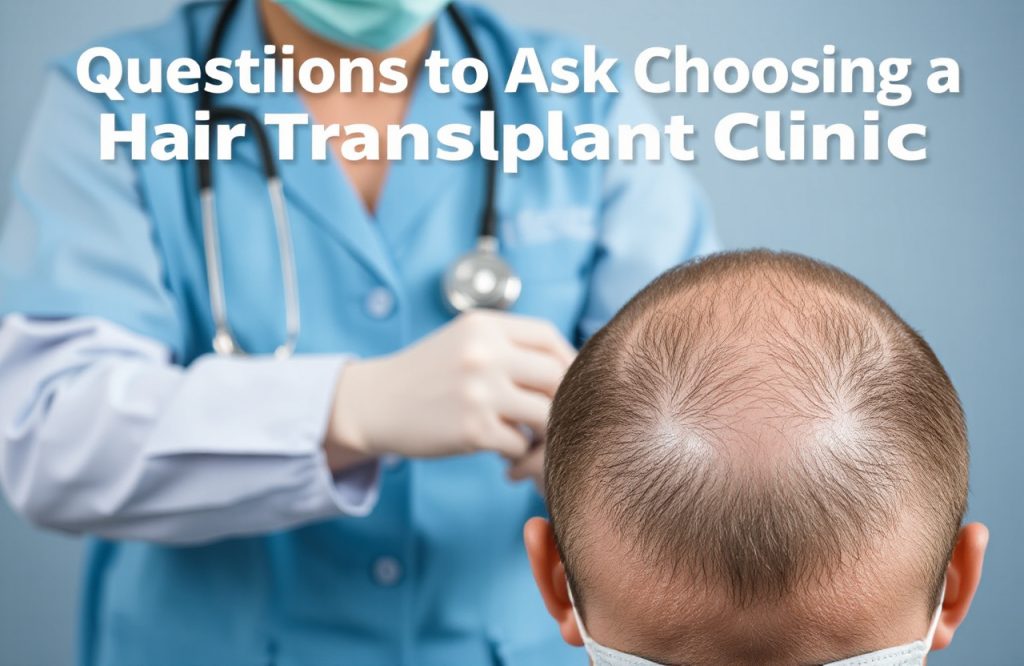
Understanding Hair Transplants
The Growing Popularity of Hair Transplants
Hair transplants are becoming increasingly common, yet concerns about the procedure remain prevalent. This surgical intervention requires time, patience, and the expertise of qualified professionals. A poorly executed hair transplant can lead to lasting scars, making it essential to conduct thorough research when selecting a clinic.
Choosing the Right Hair Transplant Clinic
When looking for a hair transplant clinic, it’s crucial not to take shortcuts. Clinics often offer various hair restoration options, and asking the right questions can help ensure the best results. Making an informed decision starts with knowing what to consider and setting realistic expectations.
Key Considerations for Selecting a Clinic
Background of the Medical Team
The background of the medical team at a hair transplant clinic is fundamental. Ideally, the professional performing the procedure should possess a minimum of five years of experience in hair transplants and related treatments. Understanding their qualifications can provide insights into their skills, credibility, and success rates.
Procedures and Techniques Offered
Clinics may utilize various technologies for hair restoration. It is essential to inquire about the different procedures available, such as follicular unit extraction or strip harvesting. Understanding the advantages and disadvantages of each method can help set realistic expectations for individual results.
Safety and Hygiene Standards
Health and safety should be a top priority. Potential patients must ask about the hygiene practices implemented during operations. Inquiring about sterilization processes and infection control measures can help ensure a safe environment, reducing the likelihood of complications.
Consultation and Assessment Process
A thorough consultation is vital for any medical procedure. Prospective clients should ask if the clinic conducts screenings to determine if they are suitable candidates for treatment. The development of a personalized treatment plan can indicate the level of individualized care provided.
Transparency in Pricing and Costs
Hidden fees can lead to stress for patients. It is advisable to request a detailed breakdown of all costs associated with the procedure. Additionally, asking about available payment plans can facilitate easier budgeting and enhance transparency.
Expected Results and Recovery Timeline
Setting realistic expectations for hair regrowth is crucial. Patients should inquire about the clinic’s typical results and the expected recovery time. Clear communication about aftercare is essential for a smooth recovery process.
Before-and-After Photos and Patient Testimonials
Seeing tangible results can provide reassurance. Patients should request before-and-after photos from previous clients to evaluate the clinic’s effectiveness. Testimonials can also offer valuable insights into the experiences of others who have undergone similar treatments.
Potential Risks and Complications
It is important to discuss potential side effects and complications with the clinic. Understanding how the medical team manages unforeseen issues can provide peace of mind and demonstrate their commitment to patient care.
Support and Aftercare Services
Post-operative care is a crucial aspect of recovery. Patients should inquire about the aftercare services offered by the clinic, as proper follow-up can significantly impact satisfaction and results.
Accreditations and Awards
Clinics recognized by professional associations or health authorities often maintain high service and hygiene standards. Prospective patients should ask about any accreditations or awards the clinic has received as indicators of their dedication to excellence.
Convenience and Accessibility
The location of the clinic is an important consideration. Patients should evaluate the convenience of accessing the clinic for both the initial procedure and subsequent visits, minimizing any added stress related to travel.
Conclusion
Choosing a hair transplant clinic involves careful consideration beyond just location. Asking thoughtful questions can help identify qualified professionals and ensure that patients set appropriate goals for their treatment. An informed choice can significantly enhance the likelihood of achieving satisfactory results and addressing hair loss concerns effectively.