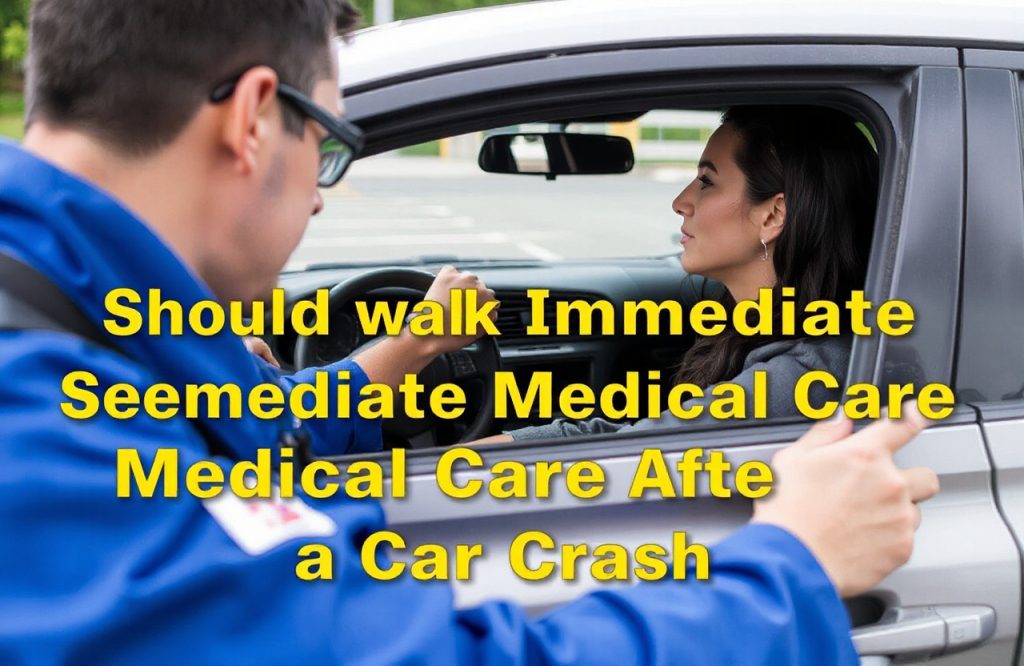
Importance of Immediate Medical Care After a Car Accident
Understanding the Impact of Car Accidents
Car accidents are often challenging and traumatic experiences that can leave victims feeling disoriented. Regardless of whether you sustain minor injuries or do not feel any immediate pain, it is crucial to seek medical attention right after an accident. Symptoms of non-physical injuries, such as internal bleeding or concussions, may not be apparent right away. However, these conditions can worsen into serious health crises without prompt treatment. Delays in receiving medical care can negatively impact your recovery, insurance claims, and legal rights.
Immediate Care Enables Quick Recovery
Seeking care from a medical professional after a car accident allows you to initiate your recovery process sooner. Healthcare providers can conduct necessary tests and scans to identify and address both external and internal injuries effectively. Swift treatment not only alleviates pain but also accelerates healing. Furthermore, receiving immediate medical care provides you with detailed reports that document the severity of your injuries, which can be instrumental for insurance claims.
Hidden Injuries May Not Show Immediate Symptoms
It is a misconception to assume you are fine simply because you do not exhibit visible injuries or feel pain. Delayed symptoms of bodily harm can surface hours or even days later, posing significant risks to your health. These delayed injury symptoms include:
– Internal bleeding
– Soft-tissue injuries
– Concussions
– Nerve damage
– Whiplash
Neglecting prompt medical evaluation can exacerbate these conditions, potentially leading to severe complications, including coma or death. Therefore, it is essential to seek treatment from a paramedic, doctor, or medical professional.
Other Injuries Require Instant Treatment
Car accidents can result in various injuries such as burns, cuts, fractures, loss of consciousness, head trauma, and open wounds. These injuries necessitate immediate medical attention to prevent blood loss, infections, increased pain, or permanent damage. Professional evaluation is crucial to assess the extent and severity of your injuries. Quick intervention enables healthcare providers to initiate treatment, manage pain, and stabilize your condition.
To Prevent Chronic Conditions
Failing to address untreated issues like spinal, joint, and soft tissue injuries can lead to chronic pain and ongoing health challenges. Getting immediate medical attention after a car crash is vital to prevent acute injuries from evolving into chronic conditions. Early diagnosis and treatment allow doctors to monitor your health and develop tailored treatment plans, significantly improving your chances of a full recovery without complications.
Delaying Treatment Can Affect Your Legal Claim
Postponing medical treatment can undermine your ability to pursue a personal injury claim. Hospitals generate essential documentation that victims rely on to support their claims. Delayed medical attention may lead liable parties to contest the seriousness of your injuries. Prompt care provides dated records that connect your injuries directly to the accident, helping you to avoid disputes and secure compensation effectively.
Medical Professionals Can Expedite Your Insurance Claim
Seeking immediate medical care after a car accident can expedite your insurance claim process. Doctors create records detailing your injuries, treatments, and prognosis, which are crucial for validating your claims. With comprehensive documentation, insurers are more likely to process your case quickly, minimizing delays or disputes. Additionally, acting responsibly by seeking urgent medical attention reinforces your position for fair compensation for all damages.
Conclusion
It is essential for car accident victims to obtain prompt medical care to facilitate recovery, prevent chronic health issues, and safeguard their legal and insurance claims. Awareness of potential hidden injuries and the necessity for immediate attention can significantly impact long-term health outcomes.
Image by Bruno Guerrero from Unsplash
The editorial staff of Medical News Bulletin had no role in the preparation of this post. The views and opinions expressed in this post are those of the advertiser and do not reflect those of Medical News Bulletin. Medical News Bulletin does not accept liability for any loss or damages caused by the use of any products or services, nor do we endorse any products, services, or links in our Sponsored Articles.