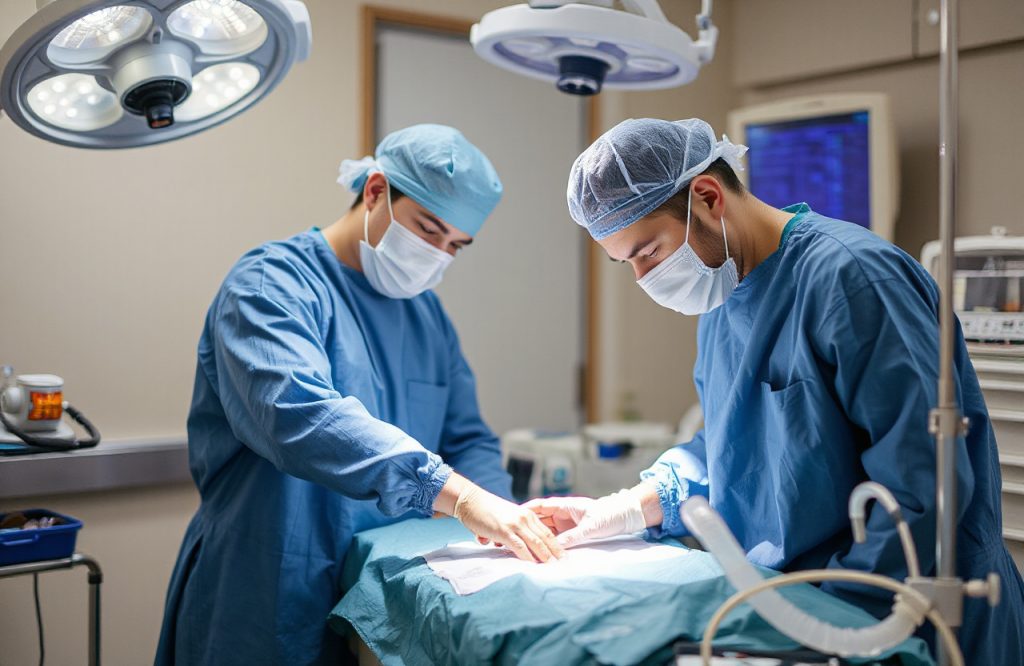
Recovery from Cardiac Surgery
Recovering from cardiac surgery can be a challenging experience, especially during these unusual times. The brief hospital stay following the procedure may leave you feeling a bit overwhelmed once you return home. There are several considerations we can assist you with.
Wound Management Post Surgery
After cardiac surgery, the incision made through the breastbone requires careful management. Once the scabs have fallen off and healing is evident, you can begin desensitization and scar management techniques to enhance the scar’s appearance. This care also helps prevent you from hunching over the scar, which can negatively impact your breathing and posture. For further guidance, we have prepared a short video on managing your scar:
Click here to see Video on scar management post surgery
Initial Days at Home
In the first few days after being discharged from the hospital, you may feel vulnerable. While in the hospital, you received substantial assistance, but at home, you will begin to notice the aching and post-surgical pain that is expected. It is crucial to continue taking your pain medication during this period to avoid developing poor breathing techniques and posture.
Psychological Adjustment Post Cardiac Surgery
The psychological adjustment following cardiac surgery is recognized as a significant grief process, with various stages. You might experience increased irritability; if this persists, it is important to speak with your cardiac rehabilitation professional, who can provide appropriate support.
Recovery Time Frame
The recovery period is often longer than anticipated. While you will start to feel better within the first three to six months post-surgery, it is essential to understand that full recovery takes time. Click on the image below to review the recovery timeline.
Exercise Training Post Cardiac Surgery
To gain the benefits of your surgery, it is vital to focus on your rehabilitation through exercise. Upon discharge from the hospital, you will receive instructions for a walking program. After the first six weeks, you should engage in a more structured exercise routine. Remember, exercise is a form of medicine and a crucial aspect of managing your heart health.
Warm-Up
A proper warm-up is essential for ensuring full dilation of the coronary arteries, which should take about 10 minutes. Following this, you can begin your cardiovascular training.
Cardiovascular Training
During the cardiovascular training portion of your rehabilitation session, you should be able to walk and talk simultaneously. For more tailored guidance, you will complete an exercise test with your cardiac physiotherapist, who will provide you with a targeted training heart rate range to optimize your sessions.
Cool Down
To help flush the adrenaline and noradrenaline from your system, a gradual cool-down is necessary at the end of your session.
Session Structure
The goal and structure of your exercise session are outlined below. Click on the image to explore further.
Heart 2 Heart has been serving the community by caring for patients in Kildare and Dublin for over seven years, with more than 20 years of experience in working with heart disease patients. Let us assist you on your cardiac rehabilitation journey. Book a consultation today.