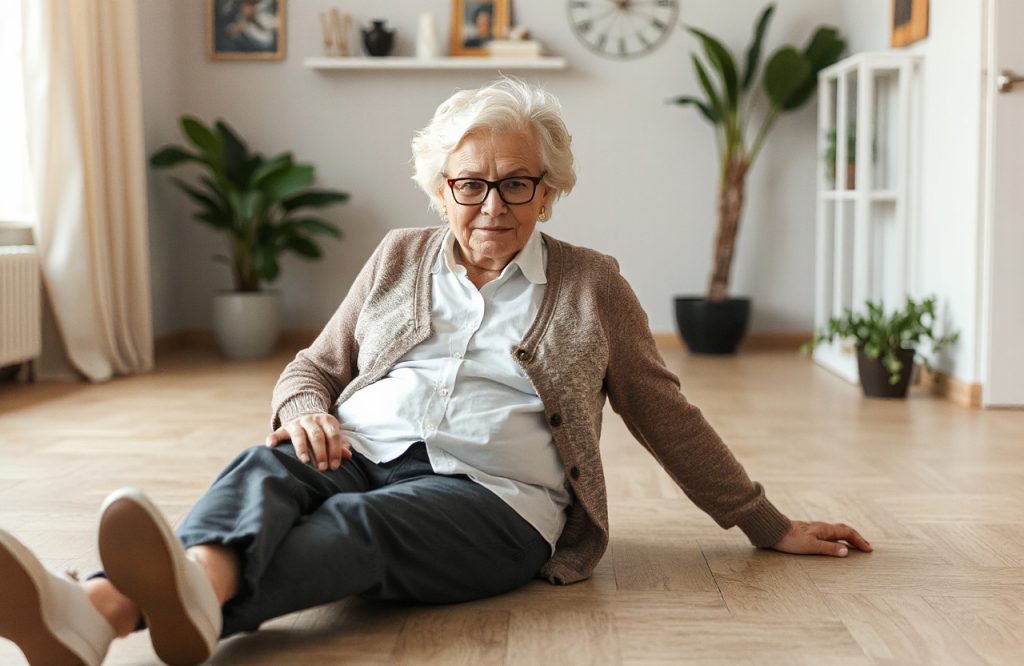
Understanding Falls in the Elderly
The Prevalence of Falls
Falls represent the leading cause of injury among the elderly, with one in four older adults experiencing a fall each year that often results in serious injuries. This situation raises significant concerns for caregivers and family members alike. While preventing falls is crucial, it is also important to be prepared for the unexpected. Your immediate response can greatly influence the outcome, helping to ensure that the individual remains calm, does not exacerbate their injuries, and receives prompt medical assistance.
Common Injuries Sustained from Falls
The most frequent injuries resulting from falls include sprains, broken bones, and head injuries. In some cases, specialized care may be necessary, such as consulting a doctor experienced in treating concussions or visiting a specialist at the Align Foot & Ankle Center for fractures or sprains.
What to Do When an Older Person Falls
Stay Calm and Assess the Situation
After a fall, it is vital to help the individual remain calm. Begin by checking for visible injuries, bruises, or swelling. Inquire about any pain they may be feeling and its location. If they are in significant pain, limit their movement and keep them comfortable while you seek assistance. If there is a head injury or bleeding, consider whether moving them could cause further harm. If unsure, contacting emergency services for guidance is advisable.
Responding to Unresponsiveness
If the person does not respond to your voice or gentle touch, they may be unconscious or in a coma. First, check their breathing. If they are not breathing normally, initiate CPR and have someone call 911 or do so yourself. Ensure the individual is comfortable by loosening their clothing and attempting to clear their airways.
Checking for Head Injuries
Head injuries can be particularly severe, so assess for any serious signs. Look for symptoms of a concussion, such as swelling, blood in the eyes, or unequal pupil sizes. If their eyes do not respond or they cannot follow your finger, call for an ambulance immediately.
Helping Them Up
If the older adult is lying on their back and feels ready to stand, assist them in sitting up or shifting to a more comfortable position. Ensure they are not experiencing sharp pains or difficulty standing. Ask if they feel any discomfort. If they can walk, guide them to a nearby chair for further assessment and rest. Should they develop a fever, pain, or disorientation, call 911 without delay.
When in Doubt, Call for Help
If you are uncertain about what to do or if lifting them is beyond your capability, do not hesitate to call for medical assistance. You can help them sit up if they are not in extreme pain and position them safely. Ensure they are breathing clearly and then seek help.
Addressing Frequent Falls
Identifying Underlying Issues
Repeated falls may indicate more serious health concerns or cognitive challenges. If you observe frequent falls, it is crucial to schedule a comprehensive medical evaluation. Possible causes may include:
– Blood pressure fluctuations or vision impairments leading to slips
– Nerve damage and sensory deficiencies
– Poor muscle coordination
– Environmental hazards
– Decreased physical fitness
– Chronic health conditions
Preventing Falls
Strategies to Reduce Fall Risks
Several measures can be implemented to lower the risk of falling. Healthcare providers can recommend stabilizing footwear with anti-slip soles. Additionally, enhancing lighting and reducing clutter can significantly decrease fall hazards. Other preventive strategies include:
– Installing grip rails and loops within easy reach
– Maintaining a well-lit and clutter-free pathway
– Providing supervision, particularly as health declines
– Investing in non-slip flooring and keeping it dry
– Encouraging regular physical activity to strengthen muscles and improve coordination
The Importance of Quick Action Post-Fall
When a fall leads to serious injuries, your subsequent actions can greatly affect the recovery of your loved one. It is essential to seek immediate medical help while keeping them comfortable and calm in the interim. Even in cases of minor falls, a medical evaluation should follow to ensure their well-being.
Note: Any websites linked from this content are managed by external organizations and their content is solely their responsibility. Medical News Bulletin does not endorse or assume liability for the content or accuracy of third-party sites. Use third-party websites at your own risk and in accordance with their terms and conditions. Medical News Bulletin does not provide specific medical advice, diagnosis, or treatment and disclaims any associated obligations or liabilities.