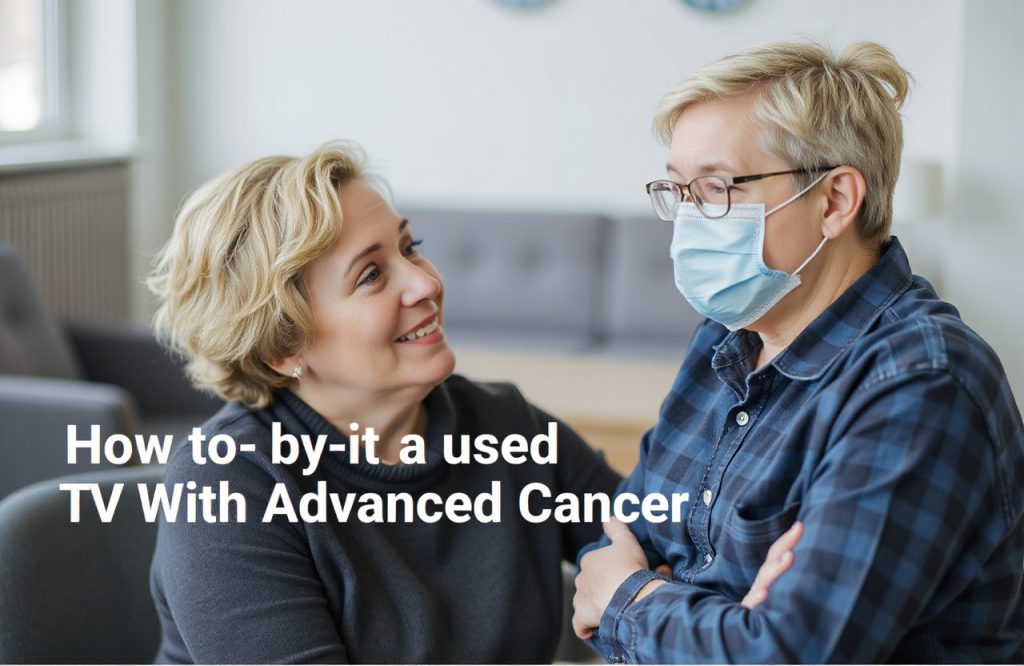
Importance of Positive Relationships for Breast Cancer Patients
Impact of Social Support
Research consistently indicates that strong relationships enhance the quality of life for individuals with breast cancer. Social support is known to alleviate symptoms of depression and anxiety, particularly in patients with advanced cancer. However, friends and family often feel unprepared to provide the necessary support.
Understanding Metastatic Breast Cancer
What is Metastatic Breast Cancer?
When breast cancer spreads, or metastasizes, to other parts of the body, it becomes incurable. While there may be treatments available to slow the progression and extend life, statistics reveal that less than 3% of those diagnosed with metastatic breast cancer will survive beyond five years.
Support Challenges for Loved Ones
Facing the reality of a loved one with incurable cancer can be overwhelming. Family and friends may feel uncertain about how to approach conversations—whether to maintain a positive front or to avoid the topic altogether.
Research Insights on Support for Metastatic Breast Cancer Patients
Study Overview
A team of researchers in the UK, led by Dame Lesley Fallowfield, has been examining how to effectively support those with metastatic breast cancer. Their findings were published in July 2023 in the journal Supportive Care in Cancer, detailing the experiences of 143 women with the condition.
Practical Advice for Support
The study participants provided valuable insights into behaviors that they found helpful or unhelpful from their loved ones.
Offer Assistance with Daily Tasks
Many women reported that their illness affected their family’s well-being, with over half stating it significantly impacted their responsibilities. They appreciated help with:
– Childcare
– Transportation to medical appointments
– Grocery shopping
– Pet care
– Meal preparation
– Household cleaning assistance
Encourage Open Communication
Patients valued having someone who would listen to their concerns. They expressed the importance of acknowledging their condition, sharing sentiments such as:
– “My cancer feels like an elephant in the room; people often don’t know how to address it.”
– “A nurse sat with me for hours and listened. It meant everything.”
Keep Them Engaged in Life
Sixty-eight percent of participants expressed a desire to remain active. They cherished quality time with loved ones, such as:
– Visits for companionship
– Shared meals or home-cooked food
– Planning outings or simple activities like a family barbecue
Avoiding Avoidance
Women in the study reported feelings of isolation when friends and family withdrew after their diagnosis. They highlighted the pain of being ignored or having loved ones avoid them due to discomfort with the situation.
Steer Clear of Toxic Positivity
Some respondents found reassurance attempts frustrating, particularly when they felt their condition was downplayed. They preferred honest discussions rather than platitudes that provided false hope.
Avoid Offering Unsolicited Advice
Participants often found unsolicited medical advice unwelcome. They emphasized the importance of relying on credible sources and not sharing unverified treatments or dietary suggestions.
Respect Their Independence
Many women desired to maintain their independence and felt frustrated by overprotective behaviors. They valued their ability to continue supporting themselves and managing their own affairs.
Addressing the Need for Additional Resources
Support for Caregivers
The LIMBER study underscores the necessity for improved resources for caregivers of metastatic cancer patients. Despite the vital role friends and family play in providing support, many respondents felt their loved ones lacked the necessary guidance.
Educational Initiatives
Dame Lesley Fallowfield and her research team are working to create educational materials for friends and family members of patients with metastatic breast cancer. One such resource is a short film titled “They Just Don’t Know What to Say or Do,” which aims to provide practical advice based on patient experiences.
Future Research Directions
Further analysis of the LIMBER study is underway to develop additional educational content for patients, their families, and healthcare professionals. Dame Fallowfield noted the ongoing need for quality information and support services to enhance the lives of individuals living with breast cancer.
References
Fallowfield, L., Boyle, F., Travado, L., Kiely, B., Jewell, P., Aubel, D., and Cardoso, F. (2021). Gaps in care and support for patients with advanced breast cancer: a report from the advanced breast cancer global alliance. JCO Global Oncology 7, 976–984. doi:10.1200/GO.21.00045
Fallowfield, L., Starkings, R., Palmieri, C., et al. (2023). Living with metastatic breast cancer (LIMBER): experiences, quality of life, gaps in information, care, and support of patients in the UK. Support Care Cancer. 31(459). https://doi.org/10.1007/s00520-023-07928-8
Yang, Y., Lin, Y., Sikapokoo, G. O., Min, S. H., Caviness-Ashe, N., Zhang, J., Ledbetter, L. & Nolan, T. S. (2022). Social relationships and their associations with affective symptoms of women with breast cancer: A scoping review. PloS one, 17(8), e0272649. https://doi.org/10.1371/journal.pone.0272649