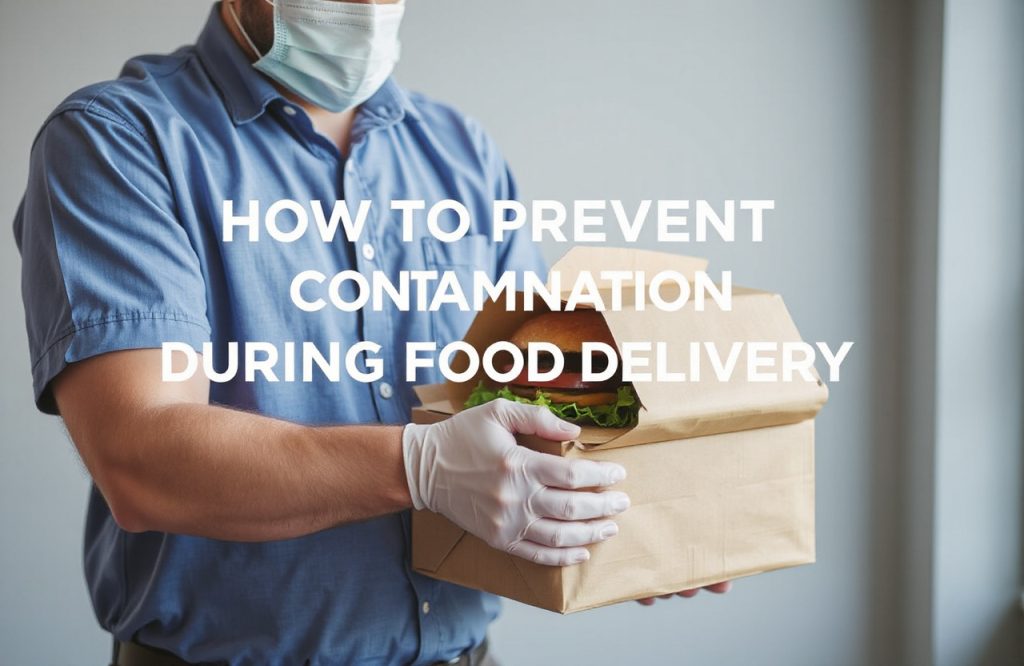
Ensuring Food Safety in Delivery Services
Understanding the Importance of Food Safety
For businesses in the food industry, adhering to strict regulations is essential. Protecting customers from contaminated food is paramount, especially when it comes to delivery services, where food safety can be more challenging to maintain.
Five Tips for Upholding Food Safety
1. Safe Packaging and Temperature Control
The first step in ensuring food safety during delivery is proper packaging. Appropriate packing not only protects food from germs but also maintains the necessary temperature. Utilizing specialized containers from TDI Packsys can help keep hot food hot and cold food cold, minimizing the risk of bacterial growth. Hot foods should be sealed in containers to prevent spills, while ice packs can be used to keep cold items cool. Additionally, using separate containers for sauces and liquids can prevent contamination.
2. Regular Cleaning and Hygiene Practices
Maintaining cleanliness is crucial in preventing foodborne illnesses. This applies not only to food preparation areas but also to delivery vehicles and equipment. All surfaces that come into contact with food, such as tables, cutting boards, and utensils, should be cleaned frequently according to food safety guidelines. Delivery drivers must also ensure their vehicles are clean, particularly in areas where food is stored.
3. Training for Delivery Personnel
Delivery staff must be adequately trained in food safety practices. They should understand the importance of cleanliness, proper food handling, and temperature control. Training should also cover how to accommodate customers with special dietary needs or allergies. When customers request specific food preparation or delivery methods, delivery personnel must ensure these requests are fulfilled safely.
4. Effective Communication Between Restaurants and Delivery Services
Clear communication between restaurants and delivery services is essential for preventing foodborne illnesses. Both parties should share information regarding food safety protocols. Restaurants need to instruct delivery personnel on safe food handling practices. In case of delivery issues, prompt communication between the restaurant, delivery service, and the customer is vital to resolving the situation effectively.
5. Monitoring Delivery Quality
Ensuring the safe delivery of food is crucial. Restaurants and delivery services should implement systems to monitor food handling and delivery practices. Regular inspections and checks can help ensure compliance with safety standards. Gathering customer feedback through surveys can also provide valuable insights into areas for improvement. Sharing this information with the quality control team can help rectify past mistakes and enhance the overall customer experience.
Conclusion
As a restaurant or delivery service, it is your responsibility to ensure that food reaches customers safely. Neglecting this duty can result in legal repercussions and significant financial losses. Implementing these tips can help uphold food safety and protect customers from contaminated food.
Disclaimer
The editorial staff of Medical News Bulletin did not contribute to the preparation of this post. The views and opinions expressed herein are those of the advertiser and do not reflect those of Medical News Bulletin. Links to third-party websites are provided solely for convenience and do not imply endorsement. Medical News Bulletin does not offer medical advice, diagnosis, or treatment and disclaims any associated liabilities.