Understanding the Rise of Ticks in Summer
The Connection Between Weather and Tick Activity
As summer approaches, the combination of increased humidity and rising temperatures creates an optimal environment for ticks to flourish. Warmer weather is linked to a higher risk of tick-related infections, including Lyme disease, Rocky Mountain spotted fever, and tick-borne encephalitis. Therefore, it is crucial to learn effective strategies for preventing tick bites and associated diseases, especially before engaging in outdoor activities or traveling.
What Are Ticks?
Classification and Habitat
Ticks are blood-sucking arthropods that feed on a variety of hosts, including humans, mammals, reptiles, and amphibians. Although they are classified as arachnids, ticks can be further divided into two categories: hard ticks from the Ixodidae family and soft ticks from the Argasidae family. While ticks are primarily found in tropical and subtropical regions, they can inhabit areas worldwide, including residential backyards.
How Do Ticks Locate and Bite Their Hosts?
The Quest for a Host
Ticks depend on blood meals for survival, growth, and reproduction, yet they spend a limited amount of time on their hosts. Despite this brief interaction, ticks can inflict skin damage and transmit pathogenic organisms that lead to infections.
Ticks identify suitable hosts through factors such as body heat, odor, and movement, a behavior known as questing. Once they find a host, they attach themselves to the skin or fur and bite to extract blood. After feeding, ticks will detach and drop off the host. Unfortunately, during this feeding period, they may transfer harmful pathogens, including protozoa, viruses, and bacteria. This can lead to infections, paralysis, and allergic reactions.
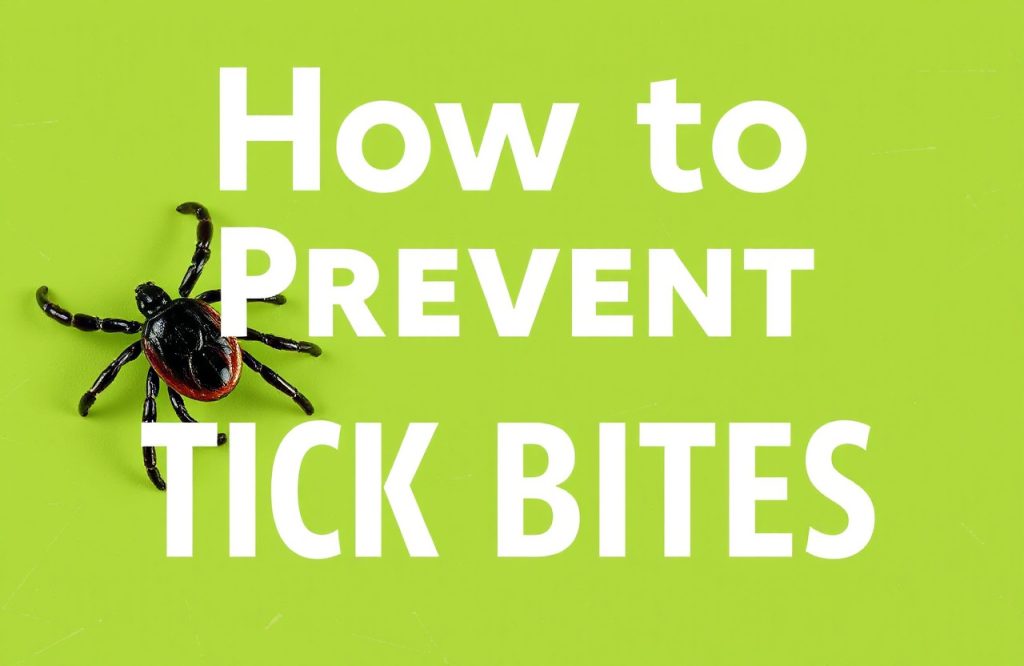
How to Prevent Tick Bites
Effective Prevention Strategies
For those living in or traveling to areas where ticks are prevalent, prevention is essential. The following strategies can help reduce the risk of tick bites:
– Regularly check for ticks every 2-3 hours when outdoors.
– Wear protective clothing, ensuring that shirts are tucked into pants and that pants are tucked into socks.
– Use tick repellents, particularly those containing lemon eucalyptus oil, which have proven effective against ticks.
– Educate yourself and your family about the dangers of ticks before visiting high-risk areas.
If a tick is discovered on your body, prompt removal with fine-tipped forceps is critical to minimize the risk of contracting a tick-borne disease. Any symptoms should be reported to healthcare providers for appropriate diagnosis and treatment. Common symptoms associated with tick bites include rashes, facial palsy, headaches, heart palpitations, and joint pain.
For additional information on preventing tick bites and infections, it is advisable to consult a healthcare provider.
References
1. Süss J, Klaus C, Gerstengarbe FW, Werner PC. What makes ticks tick? Climate change, ticks, and tick-borne diseases. J Travel Med. 2008;15(1):39-45. doi:10.1111/j.1708-8305.2007.00176.x
2. Anderson JF, Magnarelli LA. Biology of Ticks. Infect Dis Clin North Am. 2008;22(2):195-215. doi:10.1016/j.idc.2007.12.006
3. Due C, Fox W, Medlock JM, Pietzsch M, Logan JG. Tick bite prevention and tick removal. BMJ. 2013;347:29-32. doi:10.1136/bmj.f7123