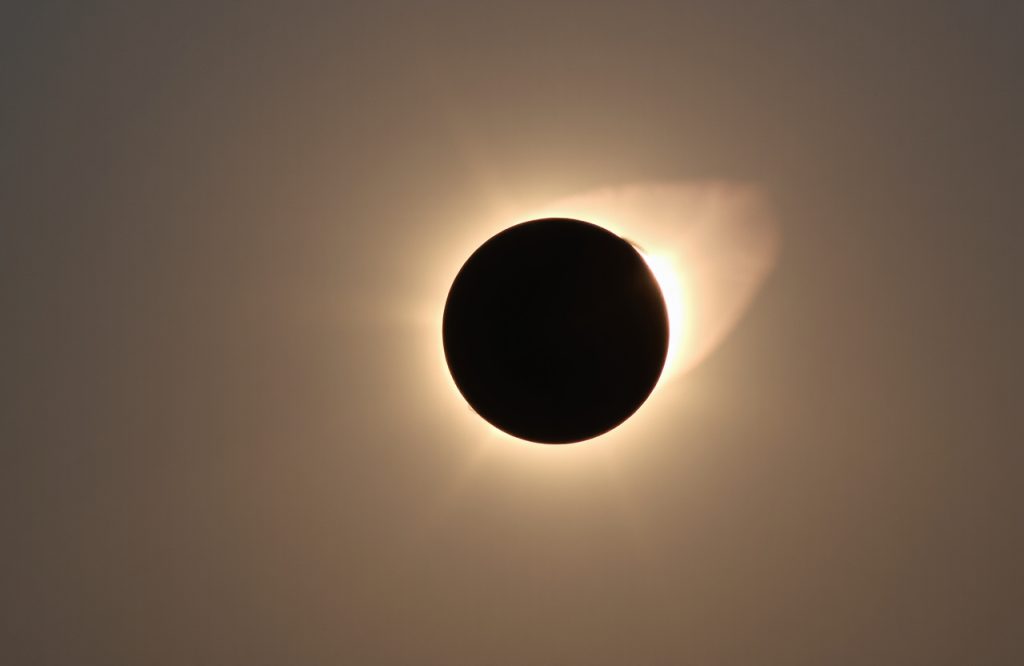
How to Safely View a Total Solar Eclipse
Understanding the Importance of Safety
If you are in the path of a total solar eclipse, you may be excited to witness this extraordinary celestial event. However, it is crucial to prioritize safety when looking at the sun during the eclipse.
Essential Eye Protection
The only safe method to observe the sun directly is by using specialized eye protection. Recommended options include:
– Shade No. 14 Welder’s glasses
– Eye coverings made from aluminized Mylar filters
Ensure that these items are in perfect condition, as any scratches or damage can allow harmful light to penetrate, posing a serious risk to your eyes. Eclipse glasses and hand-held viewers are typically made from these materials.
Finding Safe Eclipse Glasses
It is essential to obtain eclipse glasses from reputable sources to avoid counterfeits. Verify that your glasses are made from the correct materials before use. The American Astronomical Society recommends checking for a safety mark on the inside label. Safe glasses will indicate compliance with the ISO 12312-2 international standard for safe viewing.
Indirect Viewing Methods
If you do not have access to welding goggles or certified eclipse glasses, you can still enjoy the eclipse indirectly using a pinhole viewer. This technique, which has historical roots, is both simple and effective.
1. Turn your back to the sun.
2. Place a piece of white paper or cloth on the ground or a flat surface.
3. Hold an object with a small hole (such as cardboard, a straw hat, or a colander) over the paper, ensuring you are still facing away from the sun.
4. Let sunlight pass through the tiny hole onto the paper below.
Observe the projection of the sun on the paper, but do not look directly at the sun through the hole.
What to Avoid
It is vital not to look at the sun with the naked eye, ordinary eyeglasses, sunglasses, binoculars, telescopes, camera viewfinders, or smartphone cameras. Many people underestimate their reflexes, believing they can look away quickly. However, the sun’s brightness can overwhelm the sensitive cells in your retina, leading to permanent damage. Consider how your eyes feel when dazzled by reflections from sand, glass, or pavement; a direct view of the sun can be even more damaging.
Further Information and Resources
For additional safety guidelines and information about viewing the eclipse, consider the following resources:
– Articles by ophthalmologists Neil Bressler, Jun Kong, and Fernando Arévalo in the Journal of the American Medical Association (JAMA) regarding vision-safe ways to view the sun.
– NASA’s FAQ on eclipse events and associated safety tips.
– The American Astronomical Society, which offers excellent resources for eclipse viewing safety.