Ultrasonography’s Role in Small Bowel Obstruction Diagnosis
Introduction to Small Bowel Obstruction
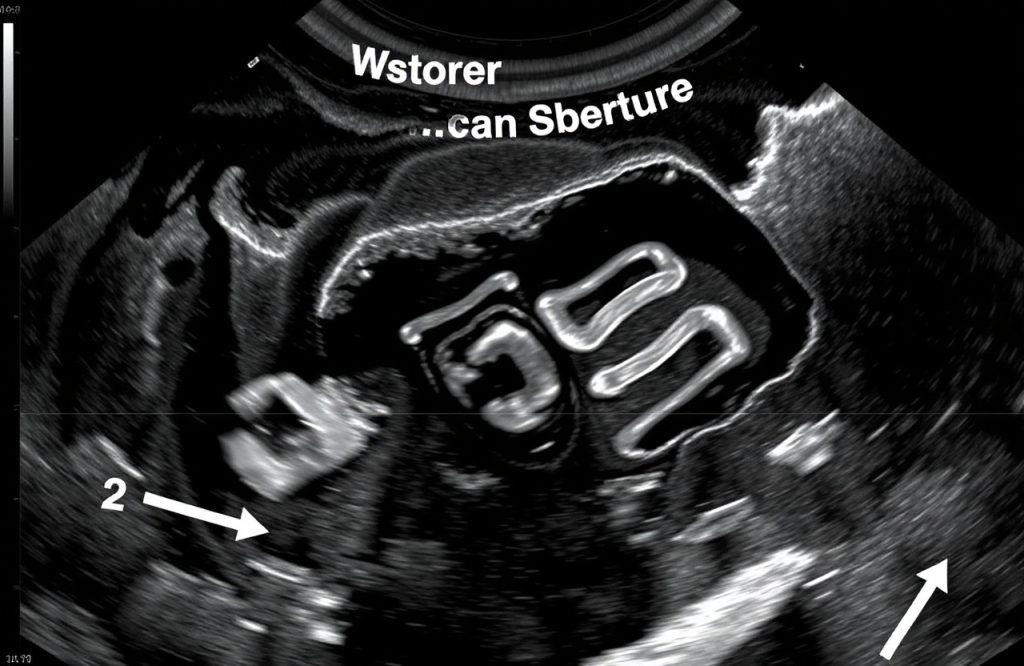
Recent research published in the American Journal of Emergency Medicine highlights new insights into the diagnostic accuracy of ultrasonography for small bowel obstruction (SBO). This condition is prevalent in emergency departments, accounting for nearly 2% of all abdominal pain cases. Small bowel obstruction occurs when there is an interruption in the normal flow of the small intestine, which can be either mechanical or functional in nature.
Consequences of Delayed Diagnosis
Misdiagnosis or delays in identifying small bowel obstruction can lead to significant complications, including bowel ischemia, necrosis, and perforation. Therefore, timely and accurate diagnosis is crucial.
Current Diagnostic Practices
Typically, abdominal x-rays are the first imaging technique employed by healthcare practitioners due to their accessibility and ease of use. However, the diagnostic accuracy of x-rays in certain cases of small bowel obstruction is often inadequate. As a result, alternative imaging modalities such as CT scans, MRIs, or ultrasonography may be utilized.
Limitations of CT Scans
While CT scans are widely used for diagnosing small bowel obstruction, they come with limitations. Access to CT imaging may not be available in all medical centers, and the procedure involves exposure to significant radiation and considerable costs.
Investigation into Ultrasound Use
In light of these challenges, researchers have investigated the potential of ultrasonography as a diagnostic tool for small bowel obstruction, which may be beneficial for both initial and follow-up assessments.
Systematic Review and Meta-Analysis Findings
A recent systematic review and meta-analysis, published in the American Journal of Emergency Medicine, evaluated the effectiveness of ultrasonography in diagnosing small bowel obstruction. The researchers conducted an extensive search of medical databases, including PubMed, CINAHL, and Scopus, for studies on ultrasound accuracy in SBO diagnosis, focusing on studies published until March 17, 2017. Ultimately, 11 studies involving a total of 1,178 patients were included in the review.
Ultrasound Sensitivity and Specificity
The findings revealed that ultrasonography demonstrated a sensitivity of 92.4% and a specificity of 96.6%. Sensitivity refers to the diagnostic tool’s ability to accurately exclude probable cases, while specificity indicates the tool’s capacity to include probable cases.
Conclusion on Ultrasonography’s Diagnostic Value
The authors concluded that, based on the current literature, ultrasound offers comparable sensitivity and specificity to CT scans for diagnosing small bowel obstruction.
Reference
Gottlieb, M., Peksa, G. D., Pandurangadu, A. V., Nakitende, D., Takhar, S., & Seethala, R. R. (2017). Utilization of ultrasound for the evaluation of small bowel obstruction: A systematic review and meta-analysis. The American Journal of Emergency Medicine.
Author
Written by Nima Makhdami, M.D.