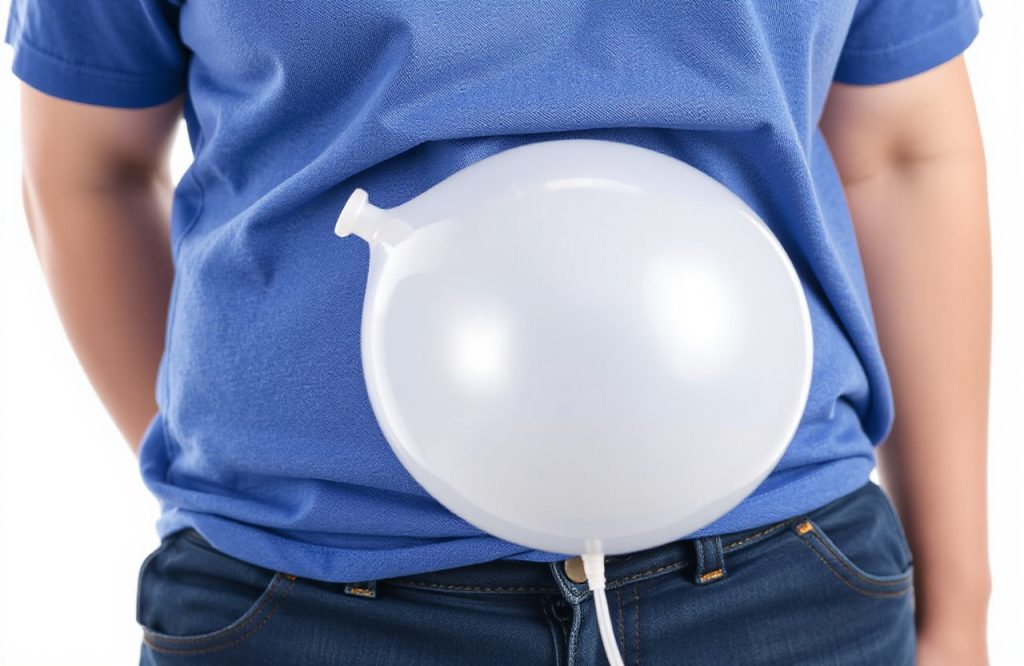
Study on Intragastric Balloon for Severely Obese Female Adolescents
Rising Childhood Obesity Rates
Recent research from Brazil has investigated the safety and effectiveness of an intragastric balloon in severely obese female adolescents. The global prevalence of childhood obesity is on the rise, and often, lifestyle modifications made during this critical period are not sustainable. Consequently, most individuals tend to regain the weight lost within the initial five years.
Intragastric Balloon Overview
The intragastric balloon is a minimally invasive procedure used in obese adults to facilitate weight loss by reducing stomach volume, thus promoting a feeling of fullness more quickly. This intervention has also demonstrated a reduction in obesity-related health issues. However, there is limited information regarding its application in adolescents, prompting a study published in Nutrire to evaluate its safety and efficacy in this demographic.
Study Design and Participant Selection
Conducted in Santo Andre, Brazil, the study included 10 severely obese females aged 12 to 18 years. Participants were required to have had their first menstrual period at least two years prior to the study and to exhibit stable or increasing body mass indices (BMIs) after a year of traditional interventions, such as diet and exercise. Exclusion criteria included diabetes, hormonal or genetic obesity, and prior upper gastrointestinal surgeries. Before the trial, researchers collected baseline body size measurements and blood samples, followed by regular assessments at specified intervals.
Intervention Procedure
The intervention involved the insertion of the intragastric balloon through the esophagus into the stomach, where it was filled with a saline and 1% methylene blue solution totaling 400 mL. During the first week, five participants reported nausea, and two experienced vomiting. Additionally, half of the participants experienced post-procedure pain, which was managed with medication, and none had issues with swallowing.
Results of the Intervention
The findings indicated that the intragastric balloon procedure was effective. Participants experienced an average weight reduction of 12.9 kg and a decrease in BMI by 4.29 kg/m², with the most significant reductions occurring in the first week (average decreases of 6.46 kg in BMI and 1.74 kg/m² in weight). The average waist-to-height ratio also decreased by 0.07, and insulin levels dropped by 9.0 U/ml.
Conclusion and Future Directions
The results suggest that, akin to adults, the intragastric balloon may serve as a safe and effective intervention for addressing severe obesity in adolescents. However, the study’s limitations include the small sample size and a lack of data regarding participants’ dietary behaviors. Future research should aim to evaluate participants over extended periods and monitor their progress after the removal of the intragastric balloon.
Reference
Pezzo, C.T., de Souza, T.F., Fenero, V., Suano-Souza, F.I., Grecco, E., and Sarni, R.O.S. (2017). Efficacy and safety of intragastric balloon in the treatment of obesity in adolescent females. Nutrire, 42(26). https://doi.org/10.1186/s41110-017-0052-z