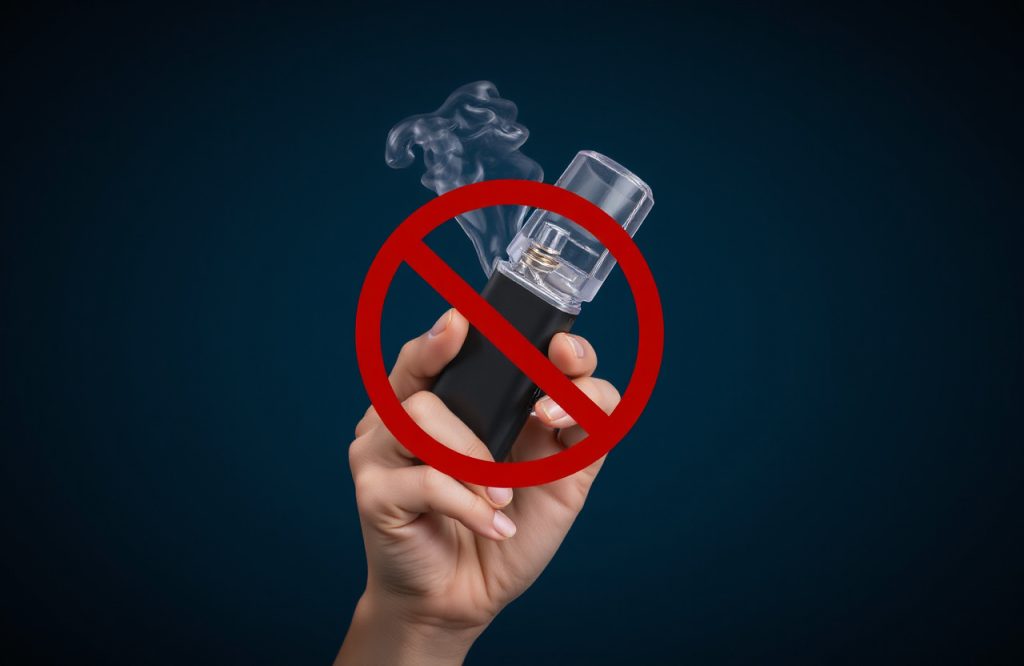
Impact of E-Cigarette Sales Ban on Youth Usage
Study Overview
A recent study indicates a modest reduction in the increase of e-cigarette use among youth in provinces that have implemented sales bans on e-cigarettes. The growing body of research highlighting the detrimental effects of e-cigarettes and vaping products, particularly for younger populations, raises significant public health concerns.
Trends in Youth Vaping
Between 2014 and 2017, the prevalence of youth vaping nearly doubled, rising from 5.7% to 10%. To combat nicotine addiction among the younger generation, a critical policy has been to prohibit the sale of e-cigarettes to minors. This ban was adopted nationwide by the FDA in 2016 and was enacted in 8 out of 10 Canadian provinces between 2015 and 2017, becoming nationwide by 2018.
Research Methodology
To explore the relationship between e-cigarette sales bans and usage rates, researchers analyzed data from the nationally representative Canadian Tobacco, Alcohol and Drugs Survey (2013-2017) and the Canadian Student Tobacco, Alcohol and Drugs Survey (2014-2017). The study included responses from 8,212 participants aged 15-18, 20,934 participants aged 15-25, and 78,650 students in grades 6-12.
Findings of the Study
The results revealed that e-cigarette use increased in both regions with and without sales bans. However, the increase was less pronounced in provinces where the ban was enforced, showing a rise from 5.3% to 5.6%, compared to an increase from 4.4% to 9.7% in provinces without the ban. The study also underscored the role of social channels in acquiring e-cigarette products in areas with the ban.
Recommendations for Further Action
While the researchers concluded that the ban on e-cigarette sales to minors had a noteworthy impact on curbing youth usage rates, they suggested that additional measures may be necessary. They proposed that the policy should be complemented by actions aimed at reducing young people’s inclination to obtain e-cigarettes through social networks, such as introducing a ban on flavored e-cigarettes that appeal to children and youths.
Conclusion
This study emphasizes the importance of comprehensive strategies in addressing youth e-cigarette use and highlights the need for ongoing research and policy development to effectively protect young individuals from the risks associated with vaping.
Written by
Bella Groisman, PhD
References
Hai V. Nguyen, Association of Canada’s Provincial Bans on Electronic Cigarette Sales to Minors with Electronic Cigarette Use Among Youths, JAMA Pediatr. Published online November 4, 2019. doi:10.1001/jamapediatrics.2019.3912
Image Credit
Image by Roland Mey from Pixabay