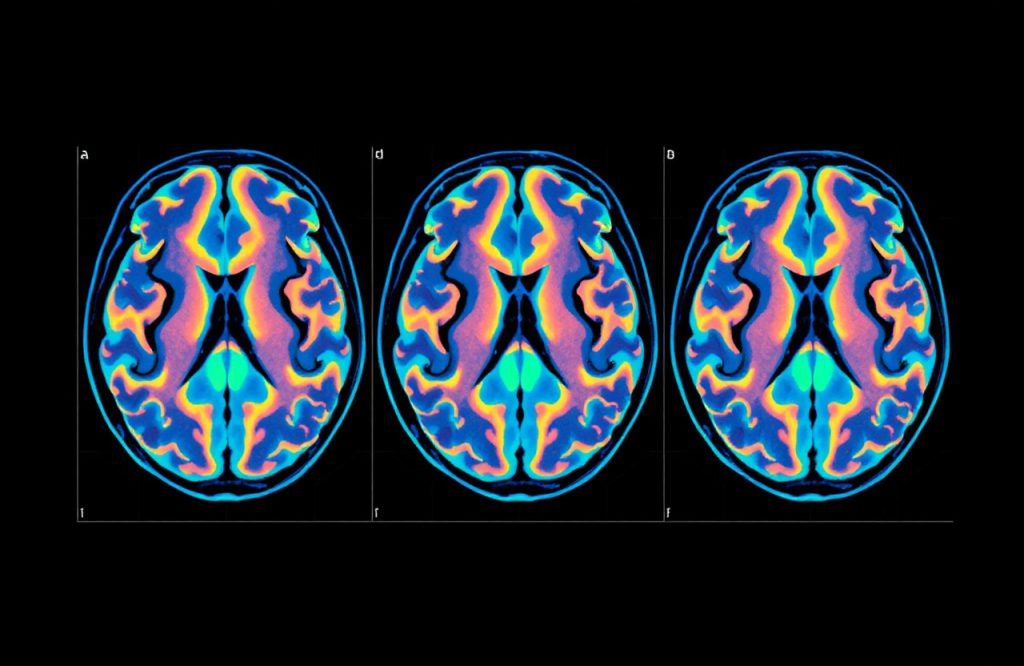
Evaluation of fMRI in Alzheimer’s Research
Overview of Alzheimer’s Disease
Alzheimer’s disease stands as the leading neurodegenerative disorder, marked by a progressive decline in cognitive functions, ultimately resulting in severe dementia. The intricate pathophysiology of this condition poses significant challenges in developing effective treatments. However, recent advancements in research have led to the emergence of drug compounds aimed at slowing the progression and severity of the disease, although these treatments do not prevent onset or alter its course. Alongside pharmacological interventions, various non-drug therapies—such as cognitive stimulation, aerobic exercise, music therapy, and dietary changes—have been identified as potential strategies for enhancing cognitive function.
Clinical Trials
Clinical trials serve as the primary method for assessing the efficacy of drug and alternative therapies for Alzheimer’s disease. These trials often utilize performance-based tests or surveys based on clinician and caregiver observations. Measuring improvements in Alzheimer’s disease can be challenging due to the subjective nature of outcomes.
Functional Magnetic Resonance Imaging (fMRI)
Functional Magnetic Resonance Imaging (fMRI) is a technique that facilitates the collection of data regarding changes in brain function over shorter periods. Recent studies have indicated that fMRI can effectively detect early alterations in synaptic function in Alzheimer’s disease and visualize how therapeutic interventions may influence specific neural circuits.
Approaches to Evaluating Treatments
The evaluation of both pharmacological and non-pharmacological treatments for Alzheimer’s through fMRI can be conducted using two primary approaches:
– **Task-based approaches** involve recording brain activity while subjects engage in specific activities, reflecting daily challenges faced due to the disease.
– **Resting-state approaches** focus on surveying and identifying subtle changes in cerebral networks associated with higher-order cognitive functions that deteriorate gradually as the disease progresses.
Despite the existence of numerous studies utilizing these methods, a coherent understanding of their effectiveness remains elusive. A recent critical review by a team of Italian neuroscience researchers from the University of San Raffaele in Milan, published in Alzheimer’s Research & Therapy, aimed to assess the reliability of these studies.
Review Methodology
The review involved a comprehensive search of the PubMed database for relevant research articles on Alzheimer’s. The authors excluded articles based on their relevance to the research question, ultimately including 34 pharmacological and 13 non-pharmacological studies. In their publication, they offer an extensive overview of key findings from these fMRI studies, alongside a critical assessment of the methodologies employed, and recommendations for enhancing reliability in future studies.
Key Assessment Categories
The authors of the review identified several areas for improvement:
– **Patient Selection and Study Design**: The review highlighted an ambiguous clinical definition of patient populations in many studies, with observational data often lacking proper controls. The authors recommend utilizing Alzheimer’s biomarker data, such as specific protein levels, and adhering to recognized guidelines for randomized studies to strengthen statistical power.
– **Type, Intensity, and Duration of Treatment**: The literature on fMRI studies lacks comparisons among different types of pharmacological treatments aimed at brain mechanisms. Furthermore, the intensity and duration of treatment are crucial for evaluating efficacy, prompting the authors to suggest that future research should address these gaps.
– **Technical MRI Issues**: Long-term MRI studies require careful calibration and maintenance of equipment to avoid data instability. The authors advocate for incorporating pre- and post-reproducibility measurements to ensure data consistency. They also point out that no group has directly compared task-based and resting-state fMRI reproducibility, although some evidence suggests that resting-state fMRI may demonstrate greater reproducibility over time due to the absence of specific tasks for subjects.
Conclusion
This comprehensive review of the fMRI literature related to Alzheimer’s yielded a wealth of information, of which only a portion is summarized here. It illuminated the achievements within the field while pinpointing areas that require enhancement. The authors warn that until these challenges are adequately addressed, the reliability of fMRI in tracking the effects of Alzheimer’s treatments remains questionable. Researchers in this domain will undoubtedly benefit from this data curation as they design future studies.
Reference
Canu E, Sarasso E, Filippi M, Agosta F. Effects of pharmacological and non-pharmacological treatments of brain functional magnetic resonance imaging in Alzheimer’s disease and mild cognitive impairment: a critical review. Alzheimer’s Research & Therapy. (2018) 10:21. https://doi.org/10.1186/s13195-018-0347-1