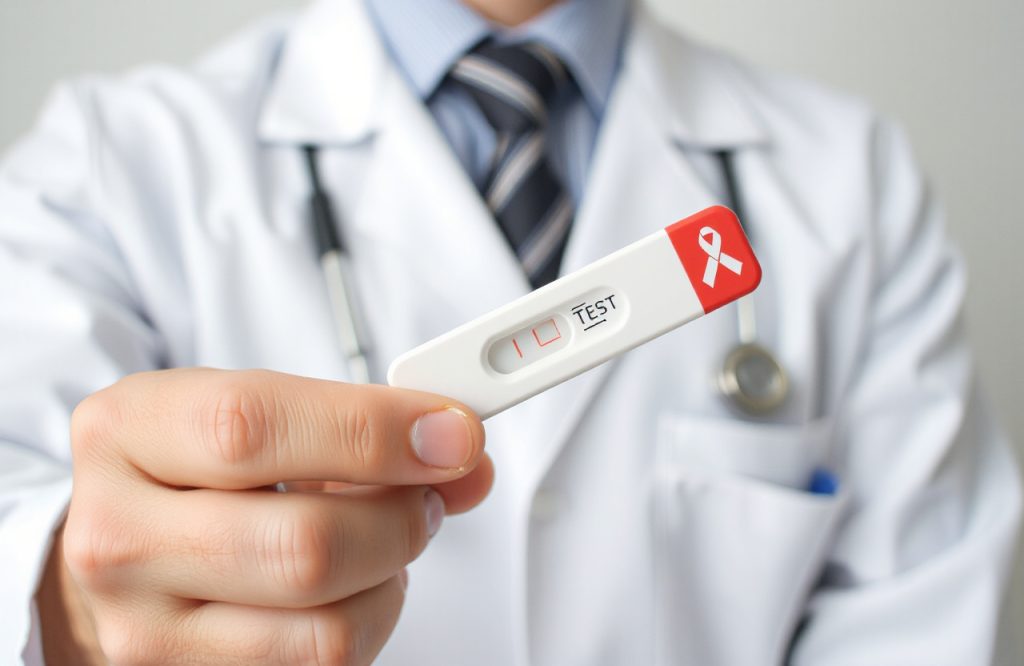
Reliability of Self-Administered Rapid HIV Tests
Overview of HIV Self-Testing
Researchers have examined existing studies to evaluate the reliability of self-administered rapid HIV tests. HIV self-testing is widely accepted across various demographics and serves as an effective method to enhance access to HIV testing, particularly for individuals who are reluctant or unable to utilize traditional testing services. There are two primary types of rapid HIV tests available for self-testing: oral fluid-based and blood-based tests. Despite their benefits, policymakers have raised concerns regarding the proper administration and interpretation of these tests by users.
Research Methodology
To investigate these issues, researchers in Switzerland compared the reliability and performance of rapid HIV tests performed by self-testers with those conducted by healthcare professionals. Their findings were published in The Lancet HIV. The researchers conducted a systematic review of 25 studies, focusing on key metrics such as sensitivity (the test’s ability to accurately identify HIV) and specificity (the test’s capability to correctly identify individuals who do not have HIV), as well as the validity of reference standards.
Defining Self-Testing
The study defined self-testing as a process in which an individual collects their own specimen, conducts the test, and interprets the results independently. Participants in the reviewed studies were permitted to seek assistance via phone, the internet, or through supplementary materials like videos and diagrams.
Comparative Performance of Testing Methods
The review revealed that 90% of the studies demonstrated a sensitivity rate of at least 80%, although two studies reported sensitivity below this threshold. Notably, blood-based tests exhibited higher sensitivity and specificity compared to oral fluid-based tests. One specific study indicated that sensitivity and specificity were notably higher in urban populations compared to rural areas, where lower literacy levels were prevalent.
User Performance and Errors
Most self-testers were able to accurately interpret their results. However, errors were noted, particularly concerning blood sample collection and the transfer of blood specimens for blood-based tests. Additionally, misinterpretation of results was a common issue among users of oral fluid-based tests. The analysis found no significant differences in test outcomes based on the level of assistance provided to self-testers, suggesting that those who did not require assistance were not at a greater risk of obtaining invalid results.
Conclusions on Self-Testing Reliability
Overall, the study concluded that self-testing with rapid HIV tests can be as reliable as testing conducted by healthcare providers, with both methods achieving comparable diagnostic accuracy. The primary causes for invalid results identified were manufacturing defects and user errors. Consequently, the researchers recommend that instructions for rapid HIV tests intended for self-testing should utilize clear, straightforward language and be enhanced with visual instructional diagrams. Tailoring instructions to accommodate specific groups—such as individuals with low literacy, visual impairments, or varying skill levels—could further minimize user errors and enhance the accuracy of self-administered HIV testing.
Reference
Figueroa, C., Johnson, C., Ford, N., Sands, A., Dalal, S., Meurant, R., . . . Baggaley, R. (April 24, 2018). Reliability of HIV rapid diagnostic tests for self-testing compared with testing by health-care workers: A systematic review and meta-analysis. The Lancet HIV, 5(6). doi:10.1016/s2352-3018(18)30044-4