Benefits of Cycling and Safety Concerns
Environmental and Physical Health Advantages
Cycling offers significant benefits for both the environment and personal health. It serves as a practical transportation method in urban areas, allowing commuters to bypass traffic congestion. Additionally, cycling contributes to a reduction in carbon dioxide emissions and promotes physical well-being.
Perceived Risks vs. Benefits
Despite its advantages, many individuals remain hesitant to cycle in metropolitan settings. Research indicates that regular cyclists experience a 41% decrease in all-cause mortality and a 45% lower risk of cancer. However, the perceived dangers associated with cycling often overshadow these benefits, leading to a continued prevalence of cars in urban centers. A major concern for potential cyclists is the proximity of vehicles as they pass.
Research on Passing Distances in Australia
Study Overview
To enhance infrastructure for cyclists, researchers have explored the factors influencing the distance between vehicles and cyclists. A recent study published in the Journal of Accident Analysis and Prevention observed these passing distances in Victoria, Australia. Unlike previous research that primarily focused on fixed routes, this study aimed to reflect the real experiences of cyclists who frequently navigate various paths.
Methodology and Device Use
To address limitations in prior studies, researchers developed the MetreBox©, a device attached to bicycle handlebars. Utilizing ultrasonic sensors and GPS technology, the MetreBox© accurately recorded the distance between cyclists and passing vehicles while allowing participants to maintain their usual cycling routines.
In total, 63 cyclists participated, with 60 adhering to study protocols from April to August 2017. Most participants commuted in metropolitan Melbourne, making the findings relevant to similar urban environments.
Data Collection and Definitions
In Australia, vehicles drive on the left side of the road, and a “close passing” incident is defined as one where a vehicle passes within 100 meters of a cyclist. The study revealed that approximately 5.9% of the 18,527 passing events recorded were classified as close passes.
Findings and Implications for Urban Planning
Identifying Risky Road Conditions
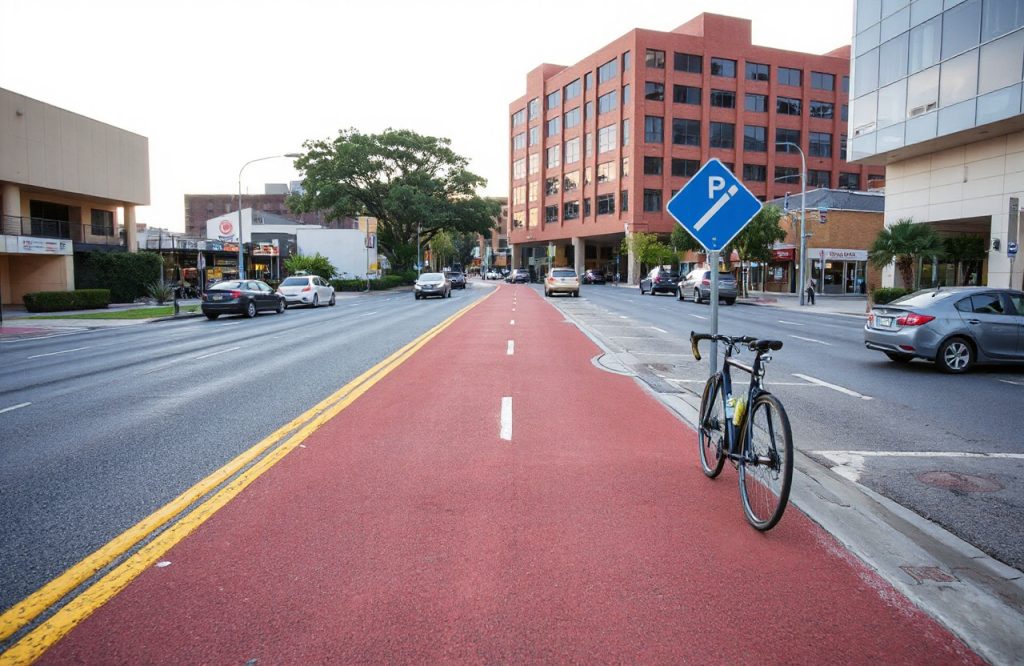
The study also aimed to identify patterns in road conditions associated with unsafe passing distances. Surprisingly, the riskiest conditions for cyclists occurred on streets with bike lanes and parked cars. In these scenarios, cars passed cyclists at an average distance 40 cm closer than on roads without bike lanes.
The reasons behind this phenomenon warrant further investigation; it could be that drivers neglect to check their blind spots due to the presence of bike lanes or that cyclists feel safer and ride closer to traffic.
Future Urban Planning Considerations
The insights garnered from this study can significantly inform urban planning strategies. With improved infrastructure and regulations regarding passing distances, it may be possible to enhance the safety of cyclists on city streets.
Written by Nikki Khoshnood, BHSc Candidate
Reference: Beck, B., Chong, D., Olivier, J., Perkins, M., Tsay, A., Rushford, A., Li, L., Cameron, P., Fry, R., Johnson, M. How Much Space Do Drivers Provide When Passing Cyclists? Understanding The Impact of Motor Vehicle and Infrastructure Characteristics on Passing Distance. (March, 2019). Journal of Accident Analysis and Prevention.