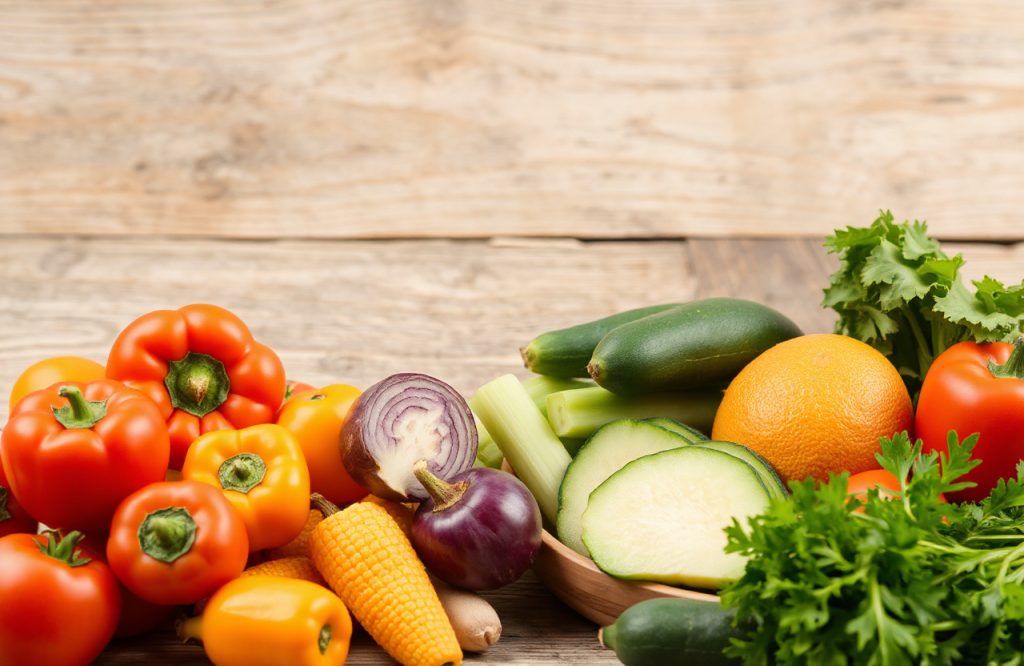
Study on Vegetable Intake in Baby Food
Overview of the Research
A study published in the American Journal of Clinical Nutrition investigated the vegetable content in baby food to assess the vegetable intake among infants and toddlers. The findings reveal that in the United States, young children do not consume sufficient amounts of vegetables, particularly dark green vegetables such as spinach and broccoli. Since toddlers can develop preferences for certain foods, introducing vegetable-flavored options may enhance the likelihood of them eating these vegetables in the future.
Study Objectives and Methodology
Researchers sought to identify the variety of baby food available on the market, the types of vegetables included, and how these vegetables were ranked in the ingredient lists. The study focused on 24 US-based companies that marketed baby food from December 2016 to March 2017, using products with accessible ingredient and nutrition information. Only items that contained vegetable names or implied vegetable ingredients were considered, excluding juices, beverages, and baby formula. Foods were categorized by age suitability: Stage 1 for infants four months old, Stage 2 for six-month-olds, Stage 3 for 7-8 month-olds, and Stage 4 for children over 12 months.
Findings on Vegetable Presence in Baby Foods
The analysis indicated that single vegetable products were predominantly found in Stage 1 and Stage 2 foods. Out of 548 products examined, 52 contained only one vegetable, with red and orange vegetables, along with starchy varieties, being the most common. Stage 2 foods represented the majority of the products analyzed, with 65.9% containing red and orange vegetables, followed by 31.2% with other vegetables, 24.6% with dark green vegetables, 23.9% with starchy vegetables, and 8.8% with beans and peas. Carrots emerged as the most frequently included vegetable, while the beans and peas category was the least represented. Spinach was identified as the most common dark green vegetable.
Ingredient List Trends
Stage 1 baby foods primarily contained a single vegetable, while those in Stages 2, 3, and 4 averaged three vegetables or fruits. Fruits often appeared before vegetables in the ingredient lists, with fruits listed first in 37.8% of the products. When examining the order of vegetables, red and orange varieties were generally listed before dark green vegetables and beans and peas. Dark green vegetables were frequently found as the fourth ingredient or lower, appearing first in just 1.1% of the products.
Added Ingredients in Stage 4 Baby Foods
Stage 4 baby foods were noted for the frequent inclusion of added salt and sugar, while Stage 1 foods contained none. Sugary and salty products were particularly common in toddler dinners, grain desserts, and savory snacks. Products that included both vegetables and fruits tended to have higher sugar content compared to those with a single vegetable, as well as those containing vegetables with meat or dairy and/or grain. However, single vegetable products had a greater calorie contribution from sugar than those with multiple vegetables.
Implications of the Findings
The study highlights a significant lack of dark green vegetables in baby food products. This information can guide baby food manufacturers in striving for a balance between offering adequate dark green vegetable options and ensuring the products remain appealing to young children, thus promoting essential nutrient intake.
Author and Reference
Written by Monica Naatey-Ahumah, BSc
Reference: Moding, K.J., Ferrante, M.J., Bellows, L.L., Bakke, A.J., Hayes, J.E., and Johnson, S.L. (2018). Variety and content of commercial infant and toddler vegetable products manufactured and sold in the United States. The American Journal of Clinical Nutrition, 107, 576-583.