Is Laser Hair Removal the Solution for You?
Are You Tired of Traditional Hair Removal Methods?
Have you been relying on tweezing, waxing, or investing in expensive razors and shaving creams, only to be left disappointed by the results? If you’re dealing with dry, nicked skin, razor burn, or simply the frustration of painful and time-consuming hair removal methods, you may be ready for a change. If you value your time and money, laser hair removal offers a safe, relatively painless, and highly effective solution, with a success rate of 85% to 90%.
Benefits of Laser Hair Removal
Laser hair removal not only provides a permanent way to eliminate unwanted hair from nearly any part of the body, but it also helps to prevent ingrown hairs, which can lead to issues like hyperpigmentation. The laser energy targets melanin, making it most effective on dark hair. Lighter shades such as blonde, red, and gray can be more challenging to treat. However, advancements in technology mean there are various lasers designed for different skin types, colors, and hair textures. According to the Mayo Clinic, ongoing research is focused on improving treatment options for lighter hair.
Pre-Treatment Considerations
What to Do Before Your Appointment
When preparing for laser hair removal, keep the following guidelines in mind:
– **Shave the Area**: Ensure you shave the targeted area within 24 hours of your treatment.
– **Avoid Tweezing and Waxing**: Only shave the area; do not tweeze, wax, or pluck.
– **Clean Skin**: The treatment area should be free of makeup, lotion, deodorant, and sunscreen.
– **Notify Your Practitioner**: Inform them if you need wipes during the treatment.
– **Sun Exposure**: Avoid sun exposure to the treatment area for at least four weeks prior.
– **Tanning Products**: Refrain from using tanning products, including spray tans, for 3-4 weeks prior.
– **Exfoliation**: Thoroughly exfoliate the area before treatment to eliminate any residues.
– **Avoid Harsh Products**: Stay away from harsh exfoliants immediately after treatment.
– **Medication Caution**: Do not take blood-thinning medications.
– **Limit Physical Activity**: Avoid the gym and heavy physical activity for 24 hours post-treatment, along with hot showers and sun exposure.
The Treatment Process
What to Expect During Your Session
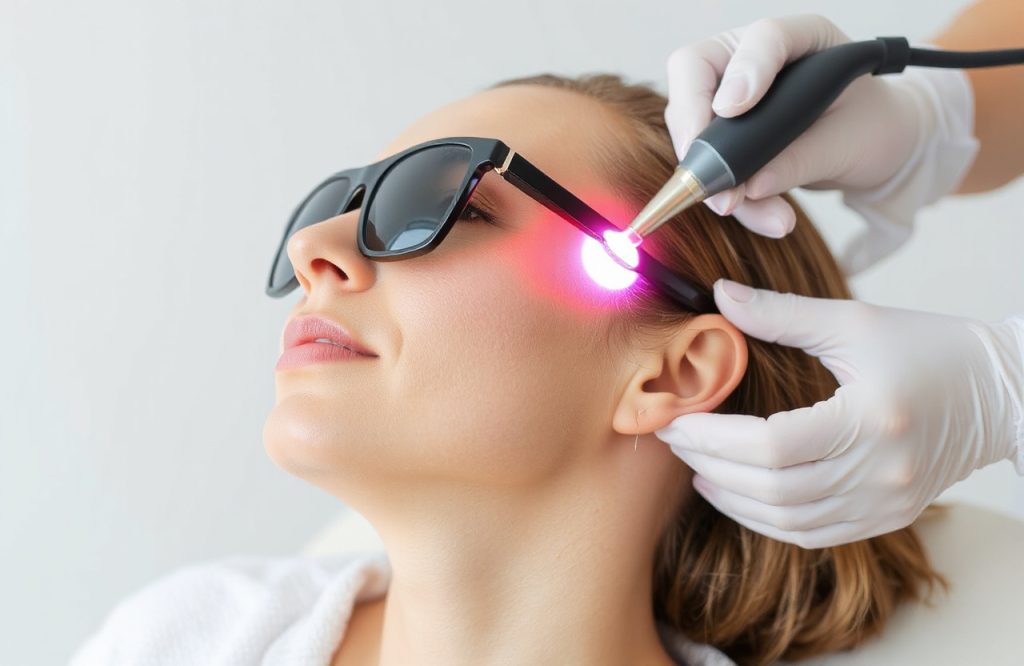
During the procedure, both you and the practitioner will wear special goggles to protect your eyes from the laser. A cool burst of air will be used to alleviate the heat from the laser, enhancing your comfort while soothing the skin. The duration of the session will vary depending on the area being treated; for example, leg treatments will generally take longer than those for underarms. Common areas for treatment include the back, legs, arms, bikini area, underarms, upper lip, and unibrow.
Post-Treatment Care
After your treatment, it’s normal to experience redness, irritation, and inflammation, which typically resolve within a day or two. Patience is key, as most patients will notice a significant reduction in hair growth after 3-8 sessions. Sessions are usually scheduled 4-6 weeks apart, with touch-ups likely needed to maintain results. Within a couple of weeks, you should see hair beginning to fall out, a process known as shedding, indicating that the treatment is effective.
Long-Term Benefits
After 4-6 weeks, you may notice finer hair regrowth, which is completely normal. Significant changes are generally observed after the second or third treatment. With laser hair removal, you can save time and money while enjoying a low-maintenance hair removal solution. Imagine replacing monthly appointments and shopping trips for hair removal products with more enjoyable activities. Ultimately, you can say goodbye to disposable razors and hello to smooth, hair-free skin.
Disclaimer
Any links provided by Medical News Bulletin direct you to organizations outside of their control and are solely for informational purposes. The content on these third-party sites is not endorsed or approved by Medical News Bulletin. The organization is not responsible for the accuracy or content of linked sites, and your use of these sites is at your own risk. Medical News Bulletin does not provide medical advice, diagnosis, or treatment, and disclaims any responsibilities related to such obligations.