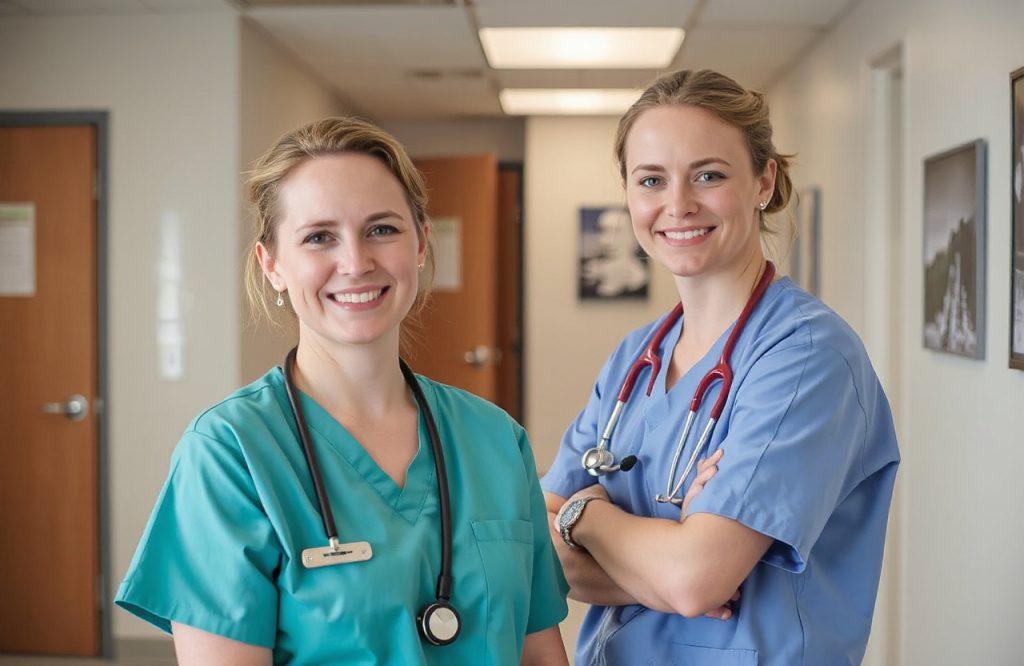
The Evolving Role of Nurses in Healthcare
Nurses as Essential Care Providers
Have you ever felt more at ease with a nurse than with a doctor while in a hospital? You are not alone. Nurses excel at providing comfort and care, possessing a calming presence and an ability to say just the right thing to ease your worries. However, the role of nursing has expanded far beyond patient bedside care. Today’s nurses embody the roles of educators, care coordinators, and problem-solvers. They often identify issues before others even realize there is a problem, showcasing their remarkable adaptability.
Transforming the Definition of Nursing
Historically, nursing was perceived as a supportive role, primarily assisting doctors with tasks like recording vital signs. This perception is now outdated. Modern nurses fulfill a wide range of responsibilities, including:
– Administering treatment while collaborating with healthcare professionals.
– Explaining complex medical concepts to patients and their families.
– Identifying early signs of illness in patients.
– Providing primary care in underserved areas.
The landscape of healthcare has become increasingly complex, necessitating constant communication and quick decision-making among various professionals. Nurses serve as a central figure in this dynamic, managing patient care, data entry, medication tracking, and extensive paperwork.
To meet these demands, many nurses are pursuing online accelerated Bachelor of Science in Nursing (BSN) programs, which allow them to acquire essential knowledge and clinical skills efficiently while balancing work and family commitments. These programs cater to individuals transitioning from other careers into nursing, preparing them to address the evolving needs of modern medicine.
Nurses as Leaders and Advocates
A Shift from Caregivers to Decision-Makers
One of the most significant changes in nursing is the transition from following orders to becoming decision-makers. Nurses actively participate in care teams, develop treatment plans, and advocate for patients. They are emerging as leaders in community health through initiatives such as:
– Organizing vaccination camps.
– Conducting mental health education programs.
– Working at pandemic testing sites.
– Providing information through hotlines.
During the pandemic, nurses gained increased visibility and became trusted voices in public health discussions. Their frontline experiences allow them to mentor new nurses, influence healthcare policies, and advocate for necessary changes based on real-world insights.
The Impact of Technology on Nursing
The integration of technology has transformed the healthcare landscape. Modern hospitals are equipped with advanced machines, monitoring devices, and software systems. Nurses are essential in navigating this technology, utilizing tools such as:
– Electronic Health Records (EHRs) for patient information documentation.
– Advanced patient monitoring equipment.
– Digital tools for patient education.
– Telehealth platforms for remote healthcare delivery.
Telehealth, in particular, has revolutionized nursing by enabling nurses to build trust and provide comfort through computer screens. This shift requires them to interpret body language, pick up on subtle cues, and demonstrate empathy remotely.
As a result, nursing education has undergone significant changes, incorporating:
– Online labs and virtual simulations.
– Training on digital tools and software.
– Guidance on balancing technology use with compassionate care.
Continuous learning remains vital for nurses as they adapt to new technologies and medical practices, making online education an attractive option for skill enhancement while maintaining their careers.
Addressing the Emotional Challenges of Nursing
The Emotional Toll of the Profession
The nursing profession involves not only physical demands but also significant emotional strain. Nurses frequently witness suffering and trauma while working long shifts, leading to heightened levels of stress and burnout, especially during the pandemic.
Fortunately, healthcare organizations are recognizing the importance of supporting nurses. A growing emphasis on wellness programs aims to address these challenges by offering:
– Peer support groups.
– Counseling services for emotional health.
– Strategies for achieving a better work-life balance.
Nurses are increasingly vocal about their needs, advocating for fair wages, safe working conditions, and a meaningful voice in decision-making processes that impact their profession. Their calls for change are being acknowledged.
The Future of Nursing
The evolution of nursing reflects the industry’s responsiveness to changing healthcare needs. Nurses are now:
– Skilled health practitioners.
– Compassionate patient advocates.
– Community leaders.
– Influencers in health policy.
They are reshaping healthcare at every level, meeting challenges with dedication and expertise. As the demand for healthcare evolves, the pathway to becoming a nurse will continue to adapt. Nursing remains fundamentally about caring for people and making a significant difference in the world.